
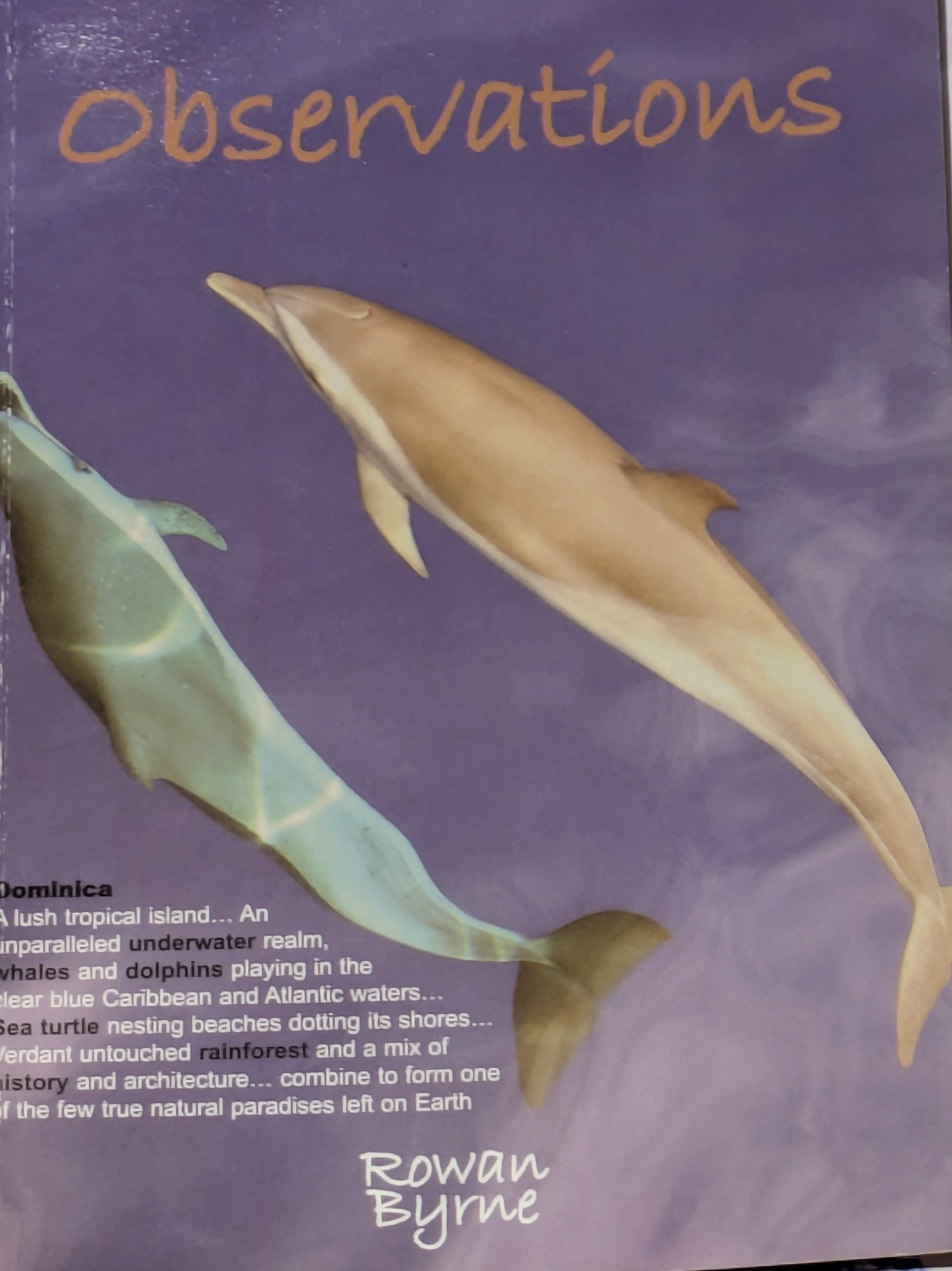
Observations on Dominica · 2005
Observations on Dominica: The Story Behind the Book
A first-hand journey through Dominica’s reefs, rainforests, sea turtles, whales, dolphins, history and people — and the story of how Rowan Byrne turned years of field observations into a photographic book in 2005.
A photographic record of an island, its wildlife and the people who helped protect it.
Some books begin with an idea. Observations on Dominica began with years of living, working, diving, photographing, conserving and paying attention.
By 2005, I had spent several years in the Commonwealth of Dominica working with the Rosalie Sea Turtle Initiative, local communities, government departments, international organisations and people across the island. ROSTI became a place to work, learn, conserve and understand endangered sea turtles.
The book was never intended as a tourist guide. It was my personal photographic observation of Dominica: the reef and rainforest, the black-sand beach and the sea, remarkable wildlife and the people whose generosity made the work possible.
A record made over time
Underwater photography period begins.
Field observations, diving, sea-turtle conservation, photography and work with ROSTI.
Observations on Dominica is created and published.
Later leatherback satellite-tracking work with the University of Aberystwyth.
Rowan revisits the story and considers a new edition to support sea-turtle conservation.
The story behind the book
Creating Observations
The finished book ran to approximately 85 pages. I raised the sponsorship funding and assembled it around my own observations of the island, with support from organisations and businesses including ROSTI and Rosalie Bay, Rainforest Aerial Tram Dominica, Archipelago Trading, Good Company to Keep Trading, SHAPE, H. H. V. Whitchurch & Co., the Government of Dominica and the Ministry of Tourism.
Its five photographic themes were Underwater Dominica, Sea Turtles of Dominica, Historical Dominica, Dolphins and Whales, and Dominican Observations. Taken together, they were a way of showing that an island’s natural life, history and community are never separate stories.
Reefs, walls and small discoveries
Chapter One — Underwater Dominica
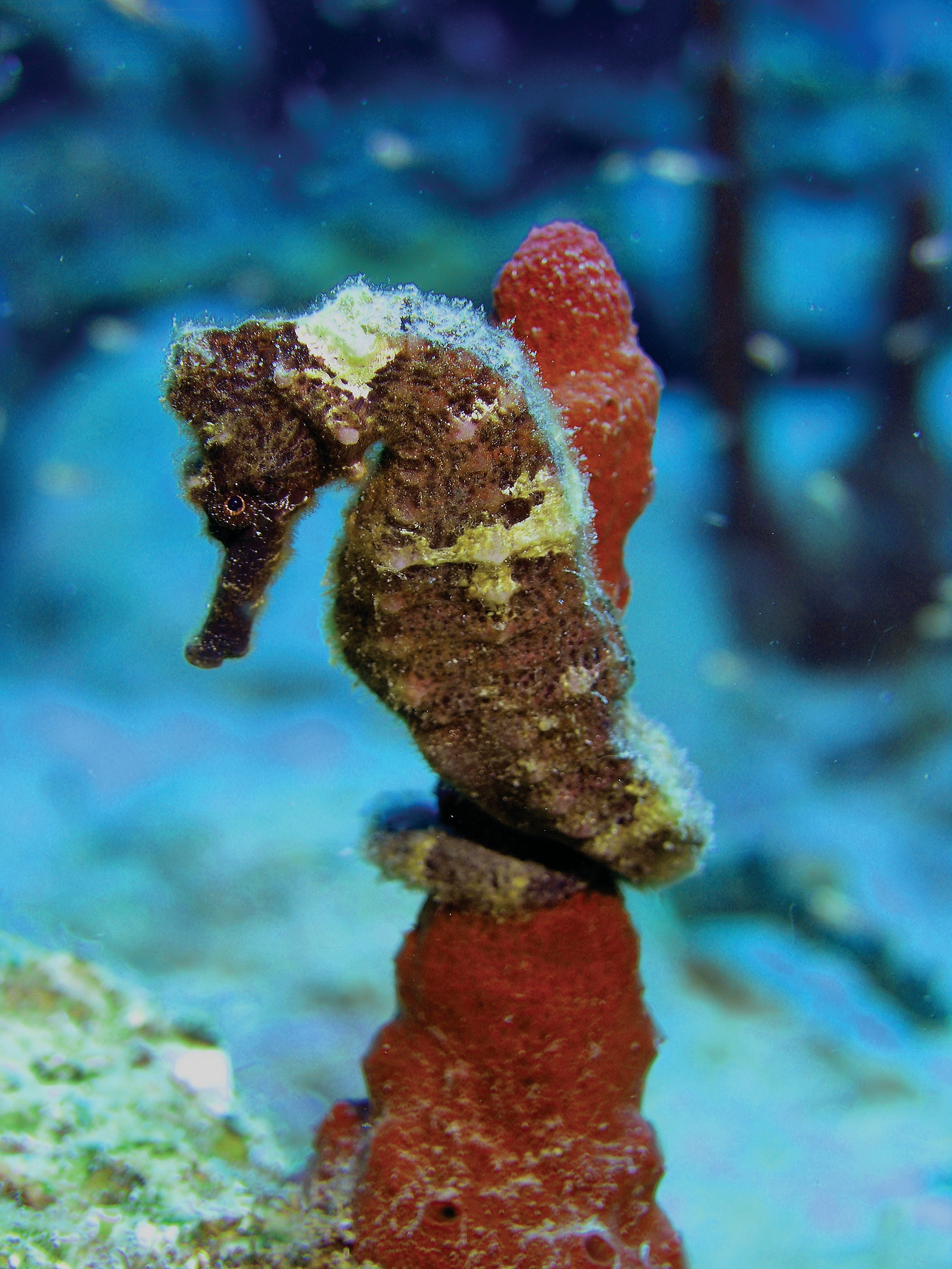
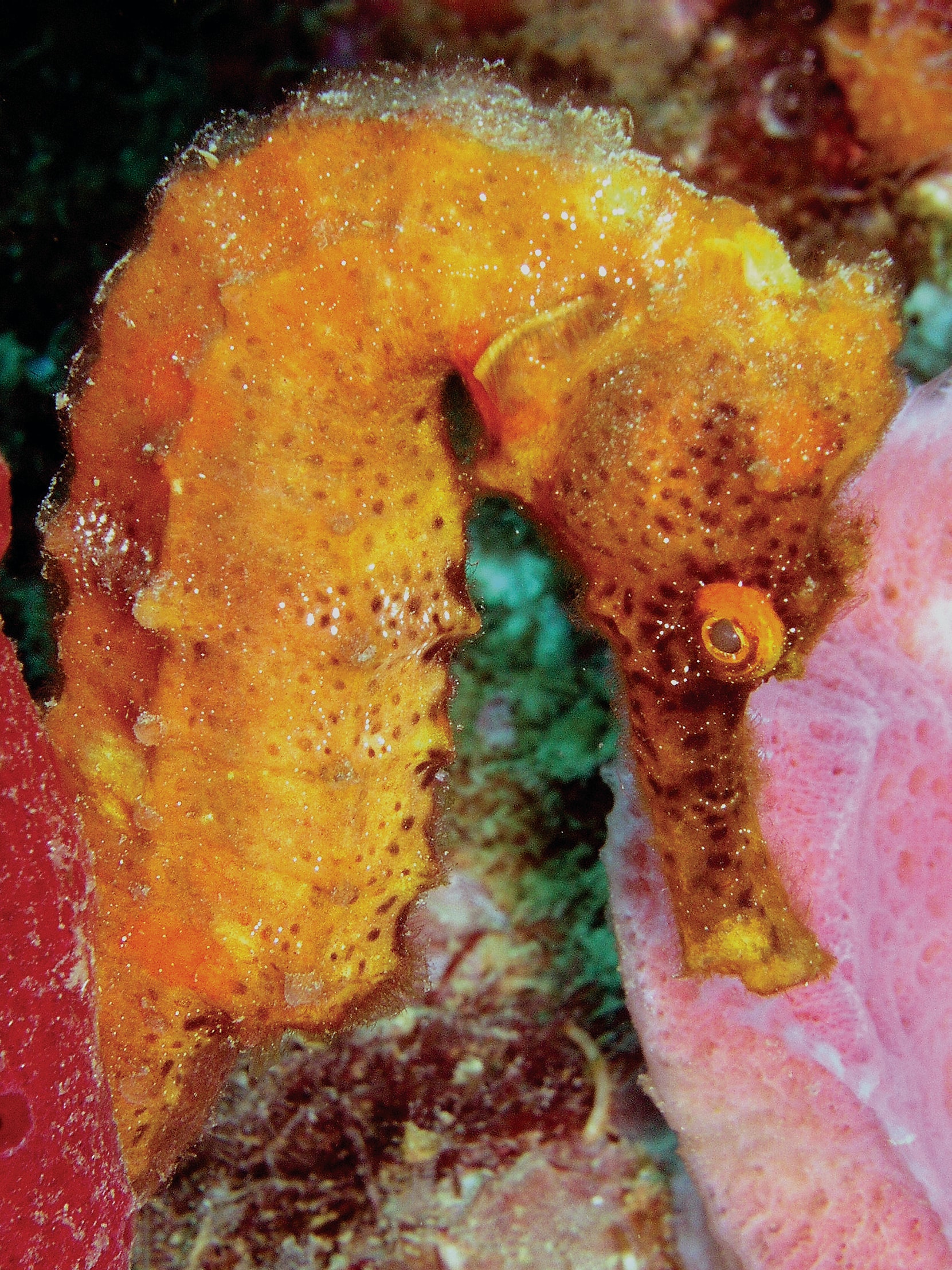
I dived around Dominica at weekends and whenever an opportunity appeared. Clear water revealed pristine reef assemblages, deep wall drop-offs, swim-throughs, caves, giant barrel sponges, gorgonian sea fans and soft corals.
At Scotts Head and Champagne Reef, I photographed long-snouted seahorses and other seahorse species, banded coral shrimp, flying gurnards, stingrays, manta rays, frogfish, barracuda, hawksbill turtles and schools of fish. The macro-photography opportunities and colour beneath the surface were extraordinary.
The work that brought me to the island
Chapter Two — The Sea Turtles of Dominica
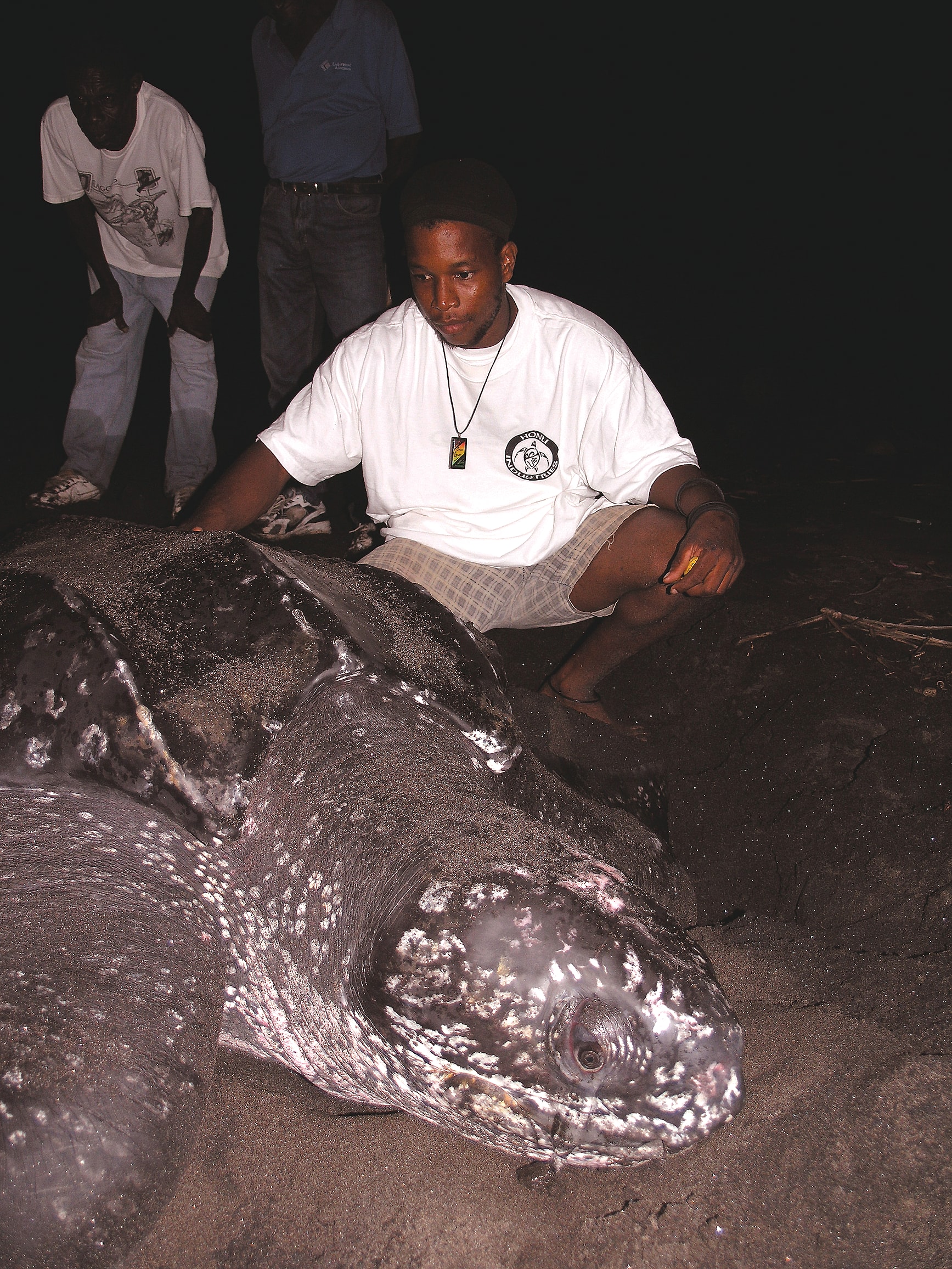
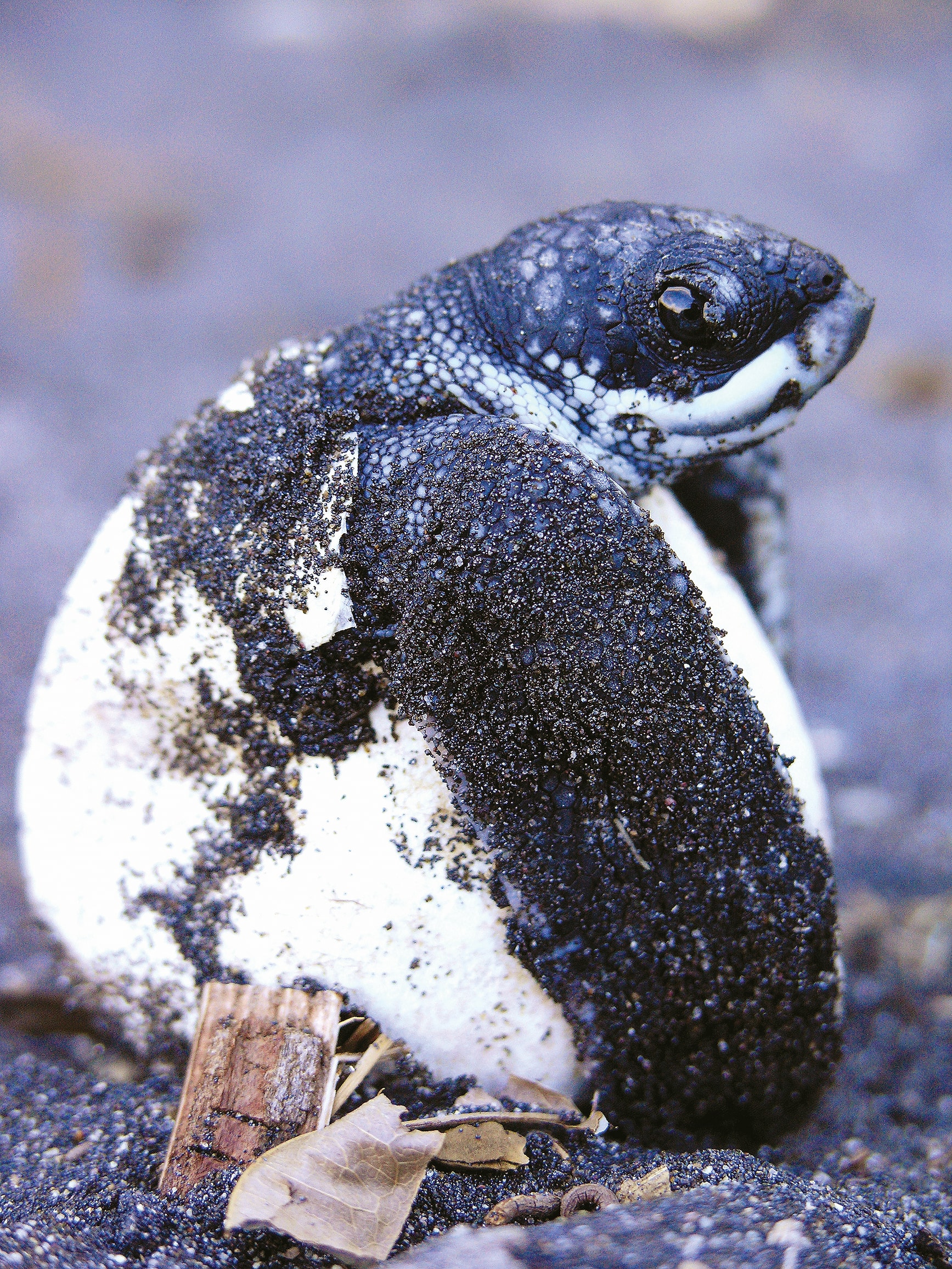
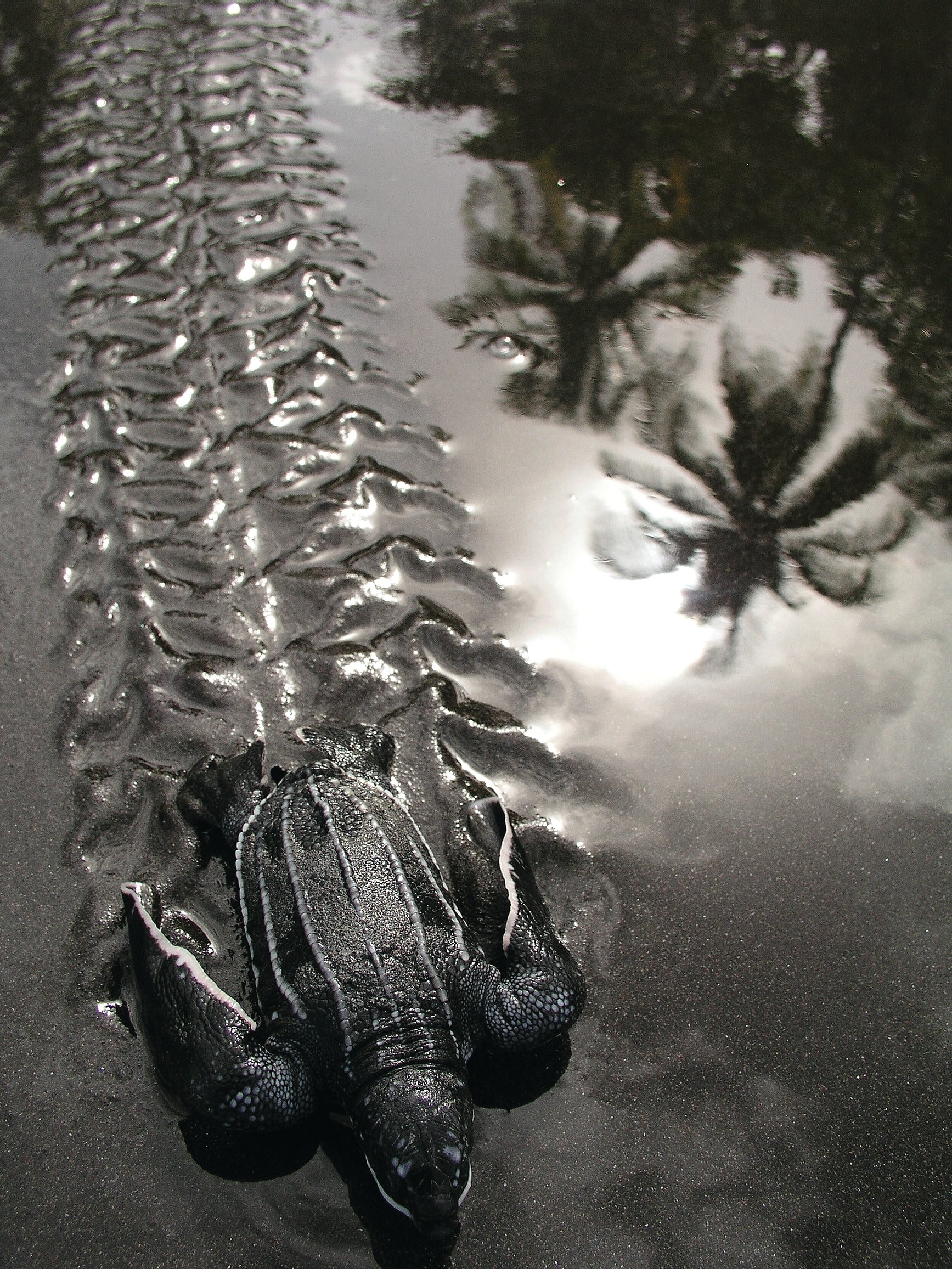
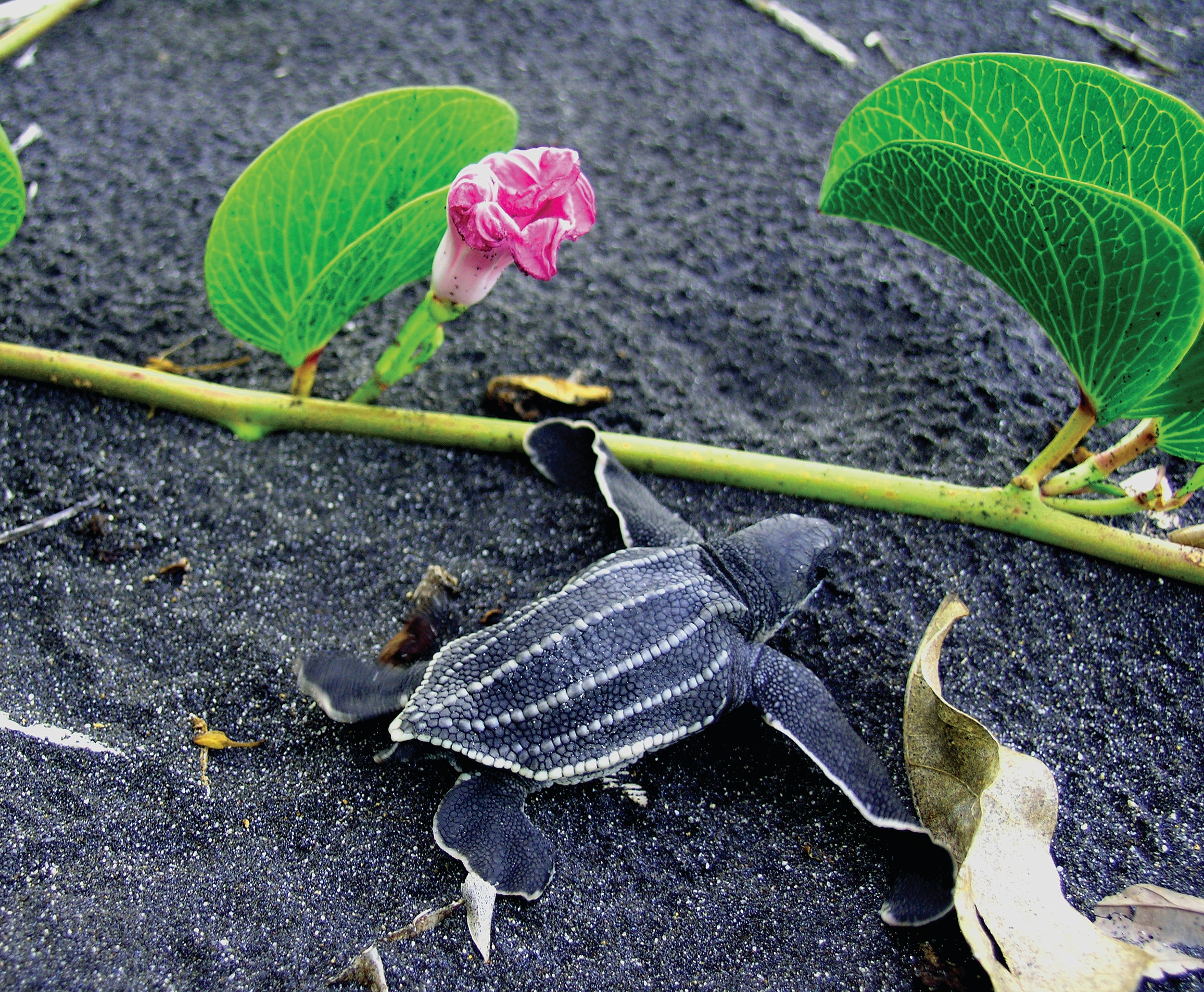
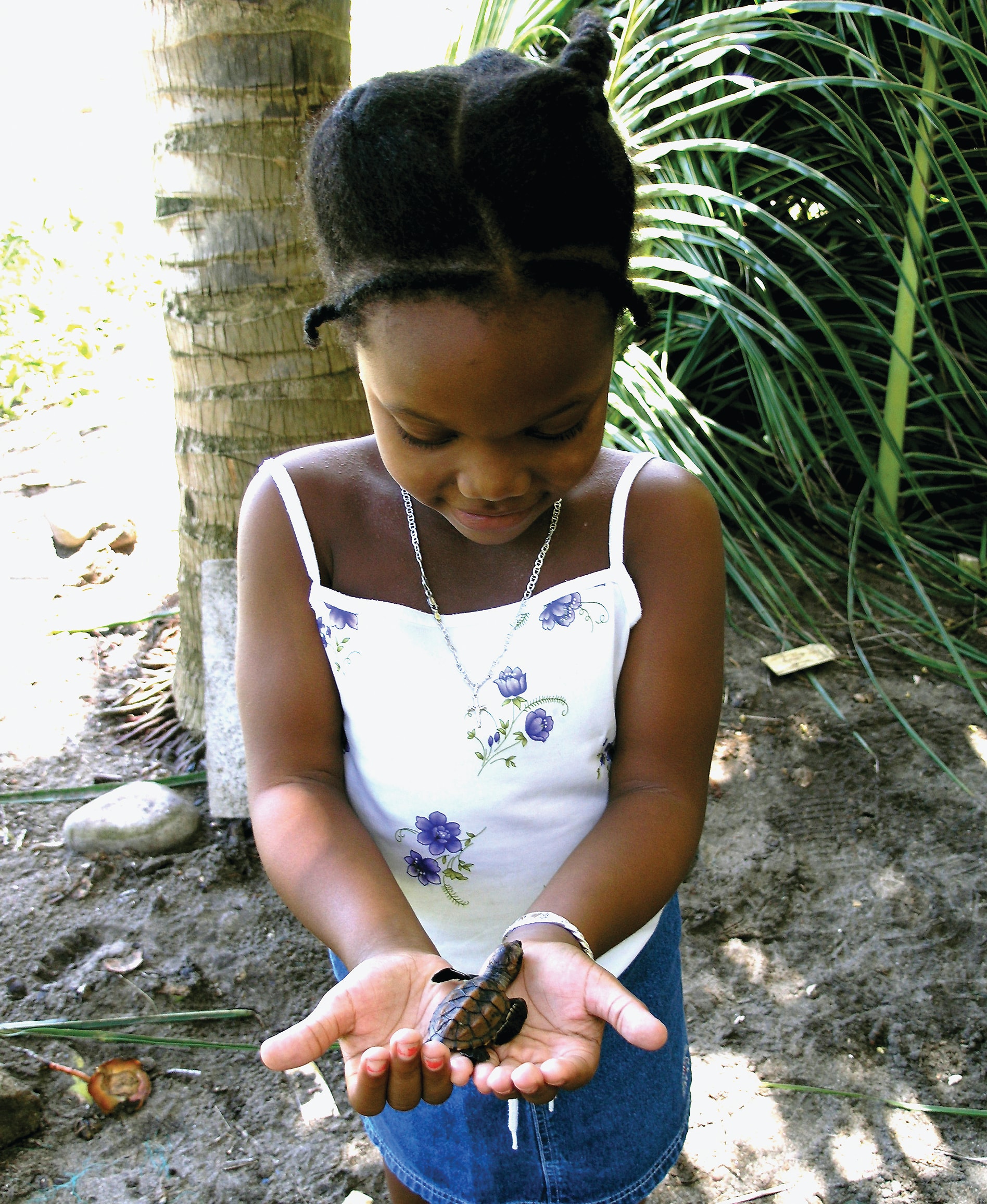
Sea turtles were the reason I initially came to Dominica, and managing and working with the community-based ROSTI project was central to my experience. The scale of a nesting leatherback and the fragility of a hatchling are impossible to forget.
The work included nesting beaches, hatchlings, tracks across black volcanic sand, scientific research, community conservation and public engagement. It was not a perfect story: alongside joy and discovery came the difficult reality of illegal poaching. But children seeing turtles, visitors witnessing a nesting animal and communities becoming involved showed why conservation is always a human story too.
Beyond the beaches
Chapter Three — Historical Dominica
Dominica’s story was never confined to wildlife. While checking beaches for turtle tracks, I was repeatedly drawn to the island’s historic buildings and structures, shaped by French and British colonial influence and the people who continued to live among them.
The book recorded places including Fort Shirley and Cabrits National Park, Soufrière Church, St Joseph’s Cathedral, Hampstead Methodist Church, aqueducts and water mills, Hillsborough Mill, windmill towers, Calibishie residences, Sheilingford House, Johnson House in Portsmouth, King George V Street and Roseau’s Creole buildings and verandas.
At the waterline
Chapter Four — Dolphins and Whales
Seeing sperm whales and dolphins off Dominica was one of the island’s great privileges. I remember a juvenile sperm whale approaching the boat, rolling upside down and allowing its jaw to be scratched by the captain — a moment I recorded as a remarkable encounter, not a claim about typical whale behaviour.
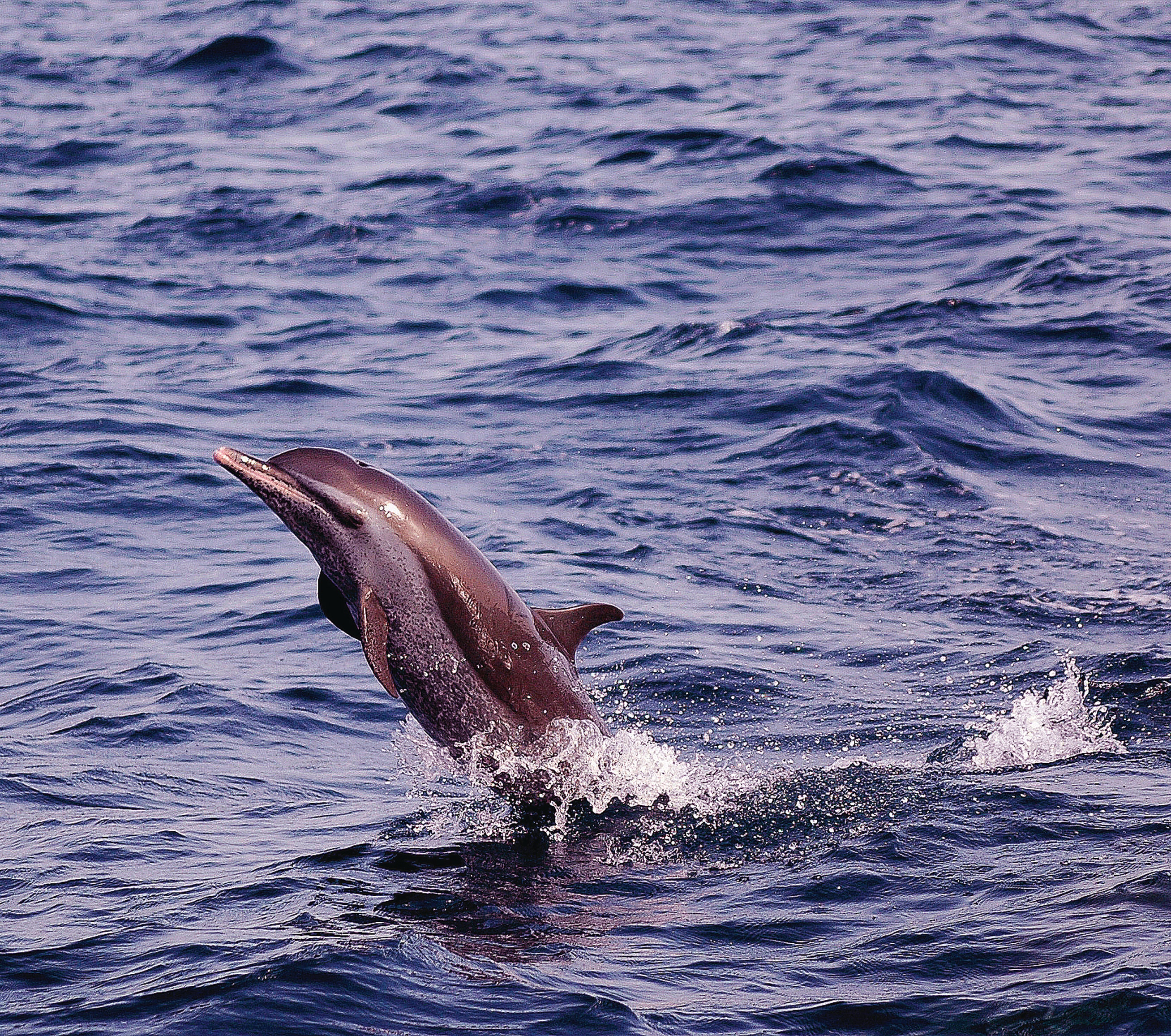
The book also documented adult and juvenile sperm whales, pantropical spotted dolphins, Atlantic spotted dolphins, spinner dolphins, pods travelling together and whales diving for food. These encounters carried the energy and unpredictability of life offshore.
The whole island in view
Chapter Five — Dominican Observations
The final chapters widened the frame: rainforest, mountains, waterfalls, Emerald Pool, Scotts Head, Rosalie Beach, Woodford Hill, Londonderry Beach, Roseau and the southeast of the island. The Rainforest Aerial Tram offered a different view of the canopy and the depth of the landscape.
I photographed wildlife and everyday life together: the Sisserou and Jaco parrots, sunrise and sunset, coast and forest. That is what I wanted Observations to hold — not a checklist, but a sense of the island as I experienced it.
A work made with others
The People Behind the Book
Although my name appears on the cover, Observations was not created in isolation. I remain grateful to Joan and Tony Byrne, Darren Byrne, Beverley Dykel, Rosalie Bay Resorts, ROSTI, the Forestry Division, Parks and Wildlife Division, Fisheries Division, Honourable Ivor Nasief, Archipelago Trading, H. H. V. Whitchurch & Co., Rainforest Aerial Tram Dominica, SHAPE, Nancy Osler at Clemson University, Graham Leaser, Linda Reinhold, and many resorts, communities, businesses and individuals.
Conservation depends on relationships, trust and people willing to help. Beverley Dykel and the people behind ROSTI gave the project its energy; without them, the book and the wider story would not have existed in the same form.
A continuing journey
What Happened Next
The book was not an ending. It became part of a longer journey involving endangered marine species, research, photography, television, radio and conservation work internationally.
In 2007 and 2008, later work with the University of Aberystwyth involved satellite tracking leatherback sea turtles across the Atlantic. Today, I would like to bring Observations back to life in a new edition: preserving the original photographs, revisiting the story with further scientific context, recognising the people involved and potentially raising funds for sea-turtle conservation.
Archive selection
Photographs from a period of observation
The supplied archive photographs are presented as part of the 2003–2005 photographic record. Captions describe the material conservatively, without adding unverified species, dates or locations.
 © Rowan Byrne / MarineCreatures.com© Rowan Byrne / MarineCreatures.com
 © Rowan Byrne / MarineCreatures.com
 © Rowan Byrne / MarineCreatures.com
 © Rowan Byrne / MarineCreatures.com
 © Rowan Byrne / MarineCreatures.com
 © Rowan Byrne / MarineCreatures.com
 © Rowan Byrne / MarineCreatures.com
 © Rowan Byrne / MarineCreatures.com
A photographic record of an extraordinary island
Observations was not simply a book about Dominica. It was the record of a life lived close to the natural world: a particular time when conservation, photography, science, adventure and community came together. I hope that a future edition can preserve those photographs and memories while helping to support sea-turtle conservation for a new generation.
Observations on Dominica — 2005
A photographic record of an extraordinary island and an unforgettable chapter in a life spent exploring the natural world.