
Rosalie Sea Turtle Initiative — Marine Conservation in Dominica
Leatherback Sea Turtle Conservation • Dominica • Rowan Byrne • RoSTI
The Rosalie Sea Turtle Initiative (RoSTI) was a sea turtle conservation project based at Rosalie Bay, Dominica, in the Eastern Caribbean. Rowan Byrne served as Project Manager for RoSTI, a role independently documented by WIDECAST — the Wider Caribbean Sea Turtle Conservation Network.
Project period: 2002–2006 (Rowan Byrne as Project Manager)
Project Overview
RoSTI was established to monitor, protect and research leatherback sea turtles (Dermochelys coriacea) nesting at Rosalie Bay on the east coast of Dominica. Leatherback sea turtles are the world's largest reptile and one of the most ancient — a species that has survived for more than 100 million years and is now listed as Vulnerable on the IUCN Red List, with some regional populations critically endangered.
Rosalie Bay is one of the most important leatherback nesting beaches in the Eastern Caribbean. The project combined nightly beach patrols, nest monitoring, hatchling protection, community engagement, education and scientific research.
WIDECAST — the Wider Caribbean Sea Turtle Conservation Network — is the primary independent organisation documenting RoSTI's work. The 2006 WIDECAST annual report identifies Rowan Byrne as Project Manager for the Rosalie Sea Turtle Initiative.
Location — Rosalie Bay, Dominica
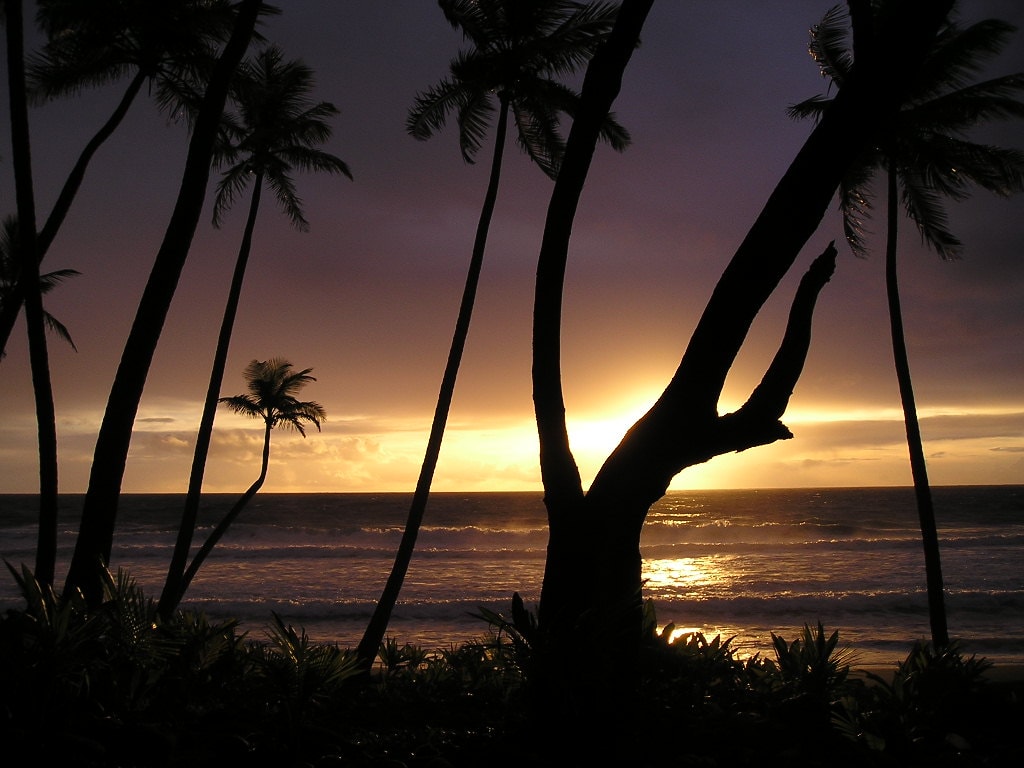
Dominica is a small island nation in the Eastern Caribbean, known for its volcanic terrain, tropical rainforest and exceptional marine biodiversity. Rosalie Bay, on the windward east coast, is a remote black-sand beach that serves as a major nesting site for leatherback sea turtles.
The remoteness of Rosalie Bay — accessible only by rough road through rainforest — made conservation work both challenging and important. The beach's relative isolation had helped protect it from some of the development pressures affecting other Caribbean nesting sites.
Dominica's waters are also home to a resident sperm whale population, making the island one of the most remarkable marine environments in the Caribbean.
Rowan Byrne's Role
Rowan Byrne served as Project Manager for the Rosalie Sea Turtle Initiative. This role is independently documented in the WIDECAST 2006 RoSTI Annual Report.
Aberystwyth University's independent reporting records that Rowan managed the Dominica sea turtle project for four years and was involved in satellite tracking work on leatherback turtles.
His work at RoSTI combined field conservation, scientific monitoring, community engagement, education and research. It was a sustained, multi-year commitment to one of the most important leatherback nesting sites in the Eastern Caribbean.
Field Methods
RoSTI's field conservation work at Rosalie Bay involved:
The Leatherback Sea Turtle
The leatherback sea turtle (Dermochelys coriacea) is the world's largest reptile, reaching up to 2 metres in length and weighing up to 900 kg. Unlike other sea turtles, the leatherback has a flexible, leathery shell rather than a hard carapace — an adaptation that allows it to dive to extraordinary depths in pursuit of jellyfish.
Leatherbacks undertake some of the longest migrations of any animal, travelling thousands of kilometres between nesting beaches in the tropics and feeding grounds in temperate and sub-polar waters.
The species is listed as Vulnerable globally on the IUCN Red List, with some regional populations — including the Pacific leatherback — critically endangered. Caribbean leatherback populations face threats including egg poaching, beach development, fisheries bycatch, plastic ingestion and climate change.
Satellite Tracking Research — 2007
In 2007, Rowan Byrne was involved in satellite tracking work on leatherback sea turtles in Dominica. Aberystwyth University's independent reporting documents this work, recording that Rowan had managed the Dominica sea turtle project for four years and was involved in the satellite tracking programme.
Satellite tracking of leatherback turtles provides critical data on migration routes, feeding areas, and the threats turtles face at sea — information that is essential for designing effective conservation measures across the full range of the species.
The tracking work connected the conservation effort at Rosalie Bay to the wider scientific understanding of leatherback turtle ecology and migration.
Leatherback Hatchling Photograph — US Postal Stamp
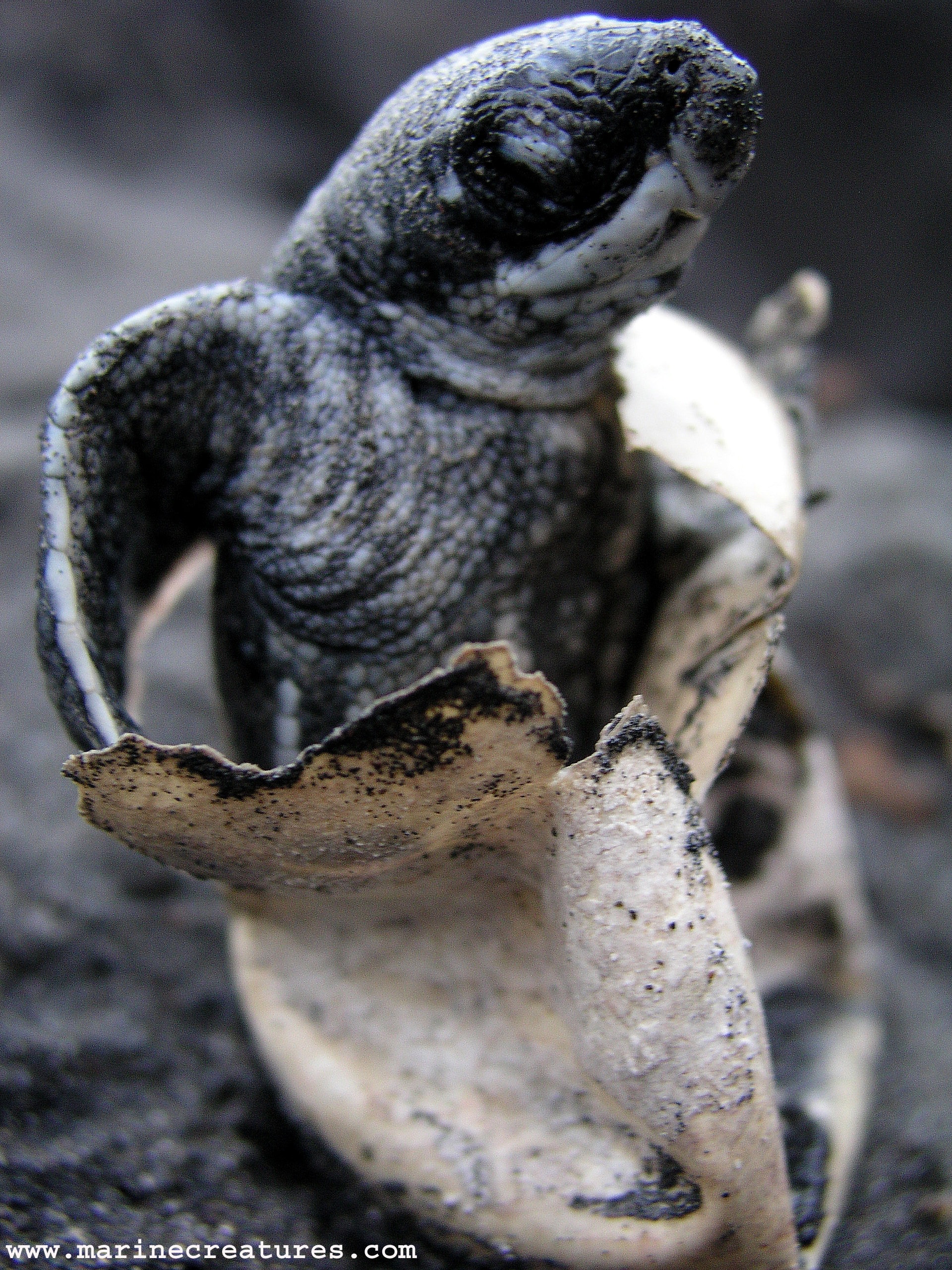
In 2006, Rowan Byrne photographed a young leatherback sea turtle hatchling at Rosalie Bay, Dominica. The photograph was later selected for a United States Postal Service sea turtle stamp issue.
RTÉ, the Irish Independent and RTÉ Mooney Goes Wild independently reported on the story of the Irish marine biologist whose Dominica leatherback hatchling photograph was used in the US postal stamp issue.
Rowan did not design the stamp. The photograph was selected by the USPS for the stamp artwork.
Community Engagement & Education
Conservation at Rosalie Bay was not conducted in isolation. Effective sea turtle conservation requires the involvement and support of local communities — the people who live alongside the nesting beaches and whose cooperation is essential for long-term protection.
RoSTI's work included community engagement and education, building local awareness of the importance of leatherback sea turtles and the threats they face. This community dimension is a consistent feature of effective sea turtle conservation programmes across the Caribbean.
Conservation Context
Leatherback sea turtle conservation in the Caribbean faces a complex set of challenges. Egg poaching has historically been a major threat on many beaches. Beach development, artificial lighting, and human disturbance can disrupt nesting behaviour and disorient hatchlings. Fisheries bycatch — particularly in longline and gillnet fisheries — kills thousands of sea turtles annually. Plastic pollution poses a growing threat, as leatherbacks mistake plastic bags for jellyfish.
Long-term monitoring projects like RoSTI provide the baseline data needed to understand population trends, assess the effectiveness of conservation measures, and identify the most significant threats at individual nesting sites.
The Rosalie Sea Turtle Initiative was part of a wider network of Caribbean sea turtle conservation coordinated through WIDECAST.
Original Photography
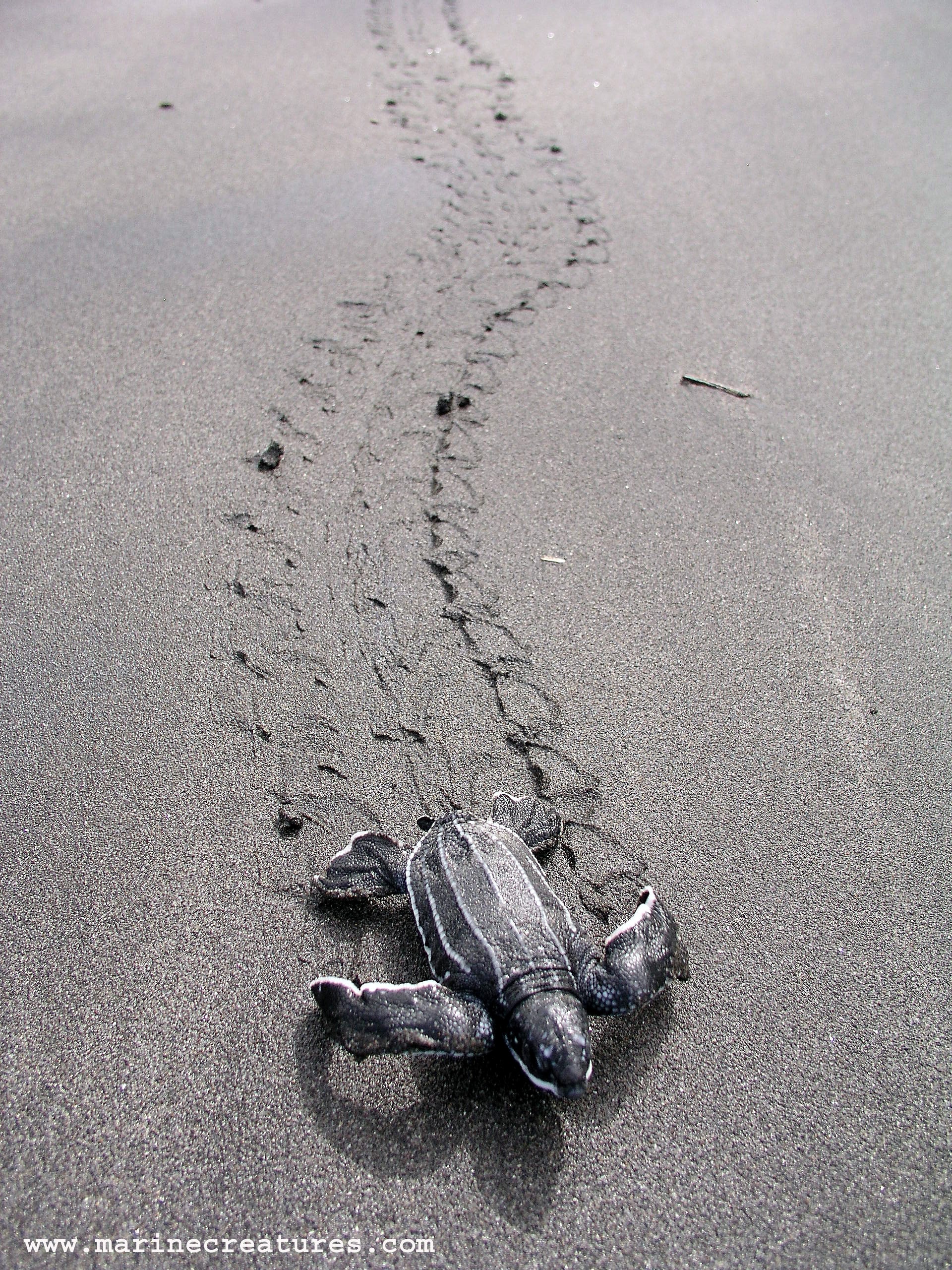
Rowan Byrne's original photography from Dominica documents leatherback sea turtles nesting at Rosalie Bay, hatchlings making their way to the sea, and the coastal environment of the Eastern Caribbean.
The leatherback hatchling photograph taken at Rosalie Bay in 2006 was later selected for the United States Postal Service sea turtle stamp issue — an independent recognition of the quality and significance of the photographic record from this project.
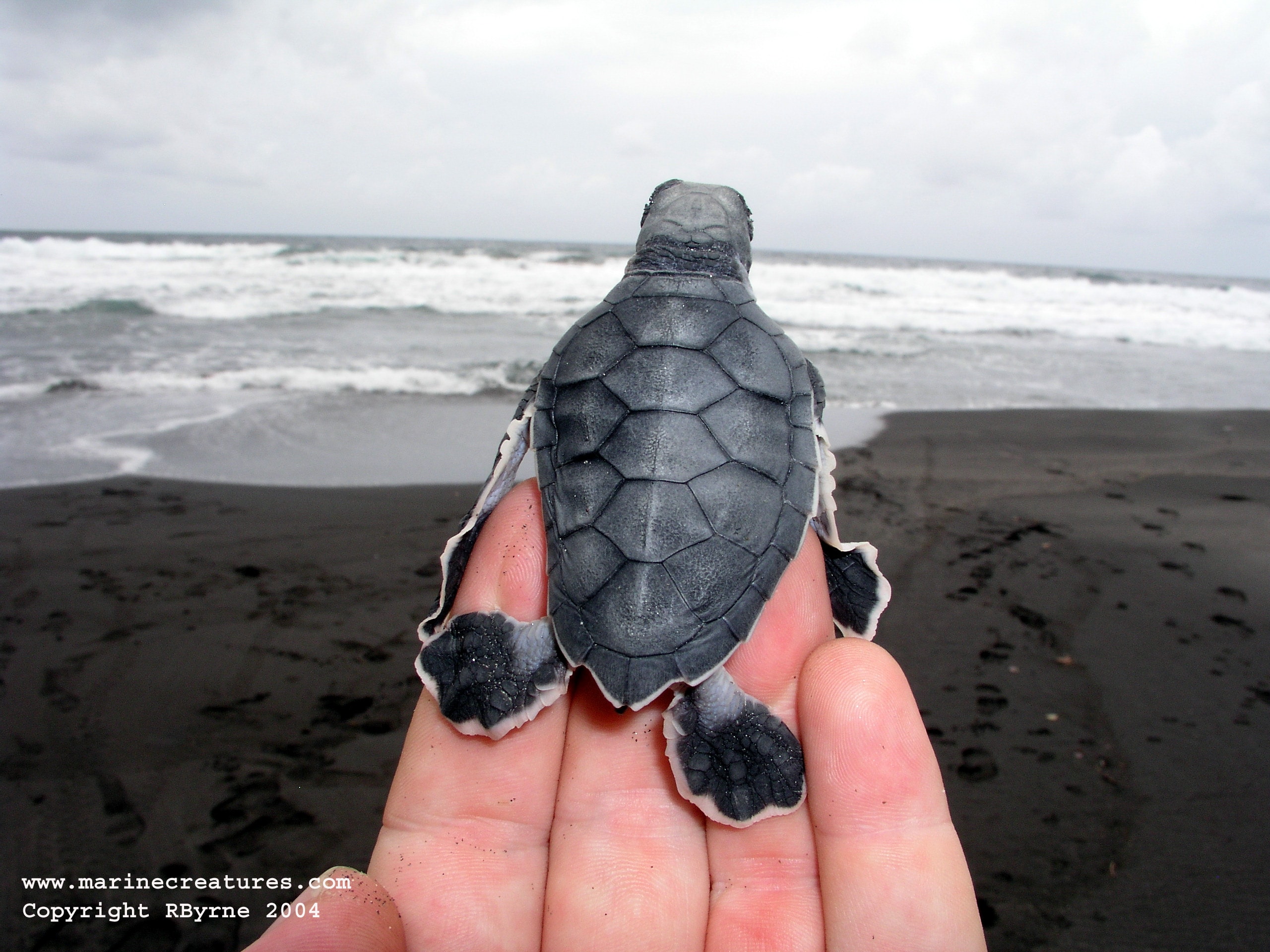
Photographs from Dominica and the RoSTI project are documented across MarineCreatures.com.
View the marine photography archivePublications & Documentation
The primary independent documentation of RoSTI's work is held by WIDECAST — the Wider Caribbean Sea Turtle Conservation Network.
Independent Verification
The Rosalie Sea Turtle Initiative and Rowan Byrne's role are independently documented by the following organisations and publications:
Explore further
Related Species, Stories & Conservation
Diving with Giants — Leatherback Rescue
The day Rowan dived to free an entangled leatherback in Scott's Head Marine Reserve, Dominica.
Leatherback Hatchling — USPS Forever Stamp
Rowan's 2006 Rosalie Bay photograph selected for the United States Postal Service sea turtle stamp issue.
Marine Conservation
Rowan Byrne's conservation work — from sea turtle protection to marine plastics and habitat restoration.
Marine Photography Archive
Original photography from field expeditions across 22+ countries.
Howth Seabin Initiative
From community action to long-term marine plastic pollution research — Howth Harbour, Dublin, 2019.
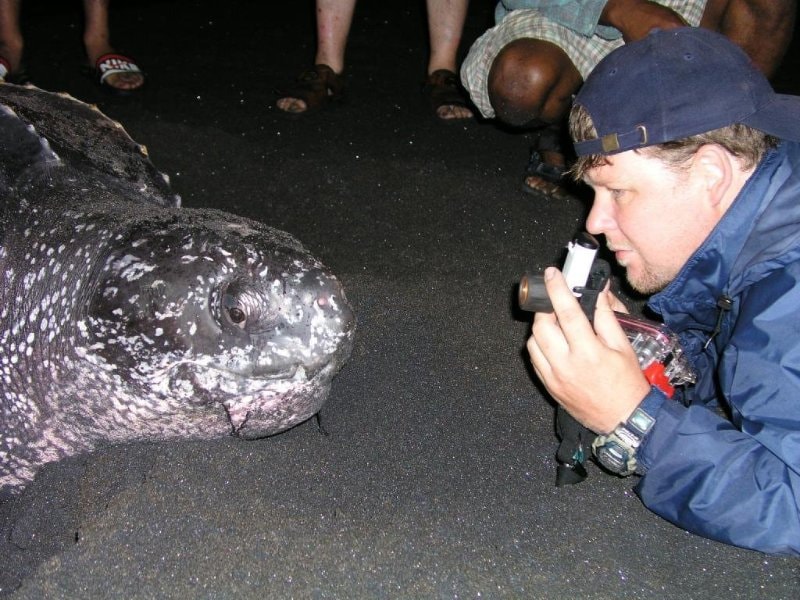
Leatherback Sea Turtle — Rosalie Beach, Dominica
Leatherback sea turtle during conservation fieldwork at Rosalie Beach, Dominica — Rosalie Sea Turtle Initiative (RoSTI) and WIDECAST.
MarineCreatures.com — documenting marine life, science, conservation and the people working to understand and protect our oceans.