

Ocean conservation
Protecting the Oceans We Depend On
The world's oceans face unprecedented pressures. Understanding the science behind these threats — and the solutions — is the first step to making a difference.
The Threats Facing Our Oceans
Marine ecosystems are under pressure from multiple directions simultaneously. Each threat compounds the others, making the challenge of conservation more urgent than ever.
Climate Change & Ocean Warming
Rising sea temperatures are bleaching coral reefs, shifting species distributions and disrupting the delicate timing of marine food webs. The ocean has absorbed over 90% of the excess heat generated by human activity.
Ocean Acidification
As the ocean absorbs CO₂, it becomes more acidic — threatening the ability of shellfish, corals and plankton to build their calcium carbonate shells and skeletons. The ocean is now 30% more acidic than pre-industrial levels.
Plastic Pollution
An estimated 8 million tonnes of plastic enter the ocean every year. Microplastics now permeate every marine environment, from the deepest ocean trenches to Arctic sea ice, entering the food chain at every level.
Overfishing
Over one-third of global fish stocks are harvested at biologically unsustainable levels. Industrial fishing methods cause widespread bycatch, habitat destruction and the collapse of local ecosystems.
Habitat Destruction
Coastal development, bottom trawling, dredging and pollution are destroying critical marine habitats — seagrass meadows, mangroves, kelp forests and coral reefs — that support the majority of marine biodiversity.
Noise & Light Pollution
Shipping noise, sonar and offshore construction disrupt the communication, navigation and feeding behaviour of whales, dolphins and fish. Artificial light at night disorients sea turtles and disrupts spawning cycles.
Scientific evidence behind these claims

What Conservation Looks Like in Practice
Effective marine conservation combines science, policy, community engagement and individual action. Here are the approaches that are making a real difference.
Marine Protected Areas
Properly enforced MPAs allow fish populations to recover, habitats to regenerate and biodiversity to return. The science is clear: well-managed no-take zones produce measurable results within years, not decades.
Sustainable Fisheries Management
Science-based catch limits, gear restrictions and seasonal closures can rebuild depleted stocks. Consumer choices — buying certified sustainable seafood — create market pressure for better practices.
Coastal Habitat Restoration
Replanting seagrass meadows, restoring mangrove forests and removing invasive species can rapidly recover lost habitat. These ecosystems also sequester carbon at rates far exceeding terrestrial forests.
Reducing Plastic at Source
Tackling plastic pollution requires systemic change — extended producer responsibility, bans on single-use plastics and investment in waste management infrastructure in coastal communities worldwide.
Climate Action
Ultimately, protecting the ocean requires addressing the root cause of climate change. Rapid decarbonisation of energy, transport and industry is the single most important thing we can do for marine ecosystems.
Ocean Literacy & Education
People protect what they understand and love. Building ocean literacy — from school curricula to public engagement — creates the informed citizens and voters that drive policy change.

The plastic crisis
A Plastic Tide We Can Still Turn
Plastic pollution is one of the most visible and tractable ocean threats. Unlike climate change, which requires global systemic transformation, plastic pollution can be meaningfully reduced through policy, technology and behaviour change at every level.
Ireland produces over 60kg of plastic waste per person per year. Much of it ends up in the ocean through rivers, stormwater drains and littering. The solutions exist — what's needed is the political will to implement them.
Free downloads
Educational Resources
Free materials for students, teachers and anyone who wants to learn more about marine conservation.
Introduction to Marine Ecosystems
A comprehensive overview of ocean zones, food webs and the key species that keep marine ecosystems functioning. Suitable for secondary school and undergraduate level.
Ocean Conservation Classroom Pack
Lesson plans, worksheets and discussion guides covering climate change, plastic pollution and biodiversity loss. Aligned with Irish and UK science curricula.
Marine Environmental Assessment Methods
An overview of standard methodologies used in marine environmental impact assessment — from benthic surveys to cetacean monitoring protocols.
10 Things You Can Do for the Ocean
Practical, evidence-based actions that individuals can take to reduce their impact on marine ecosystems — from diet choices to political engagement.
Resources are currently in development. Contact Rowan to request materials or discuss educational partnerships.
Recommended organisations
Organisations Doing Important Work
These are the conservation organisations Rowan recommends and has worked with over the years.
Irish Whale and Dolphin Group
Ireland's leading cetacean research and conservation organisation, monitoring whale and dolphin populations in Irish waters since 1990.
IrelandMarine Conservation Society
The UK's leading marine conservation charity, campaigning for cleaner seas, sustainable fisheries and better protection for marine wildlife.
UKIUCN Marine Programme
The International Union for Conservation of Nature's marine programme sets global standards for species assessment and protected area management.
GlobalOceana
The largest international advocacy organisation focused solely on ocean conservation, running science-based campaigns to protect and restore the world's oceans.
GlobalSurfers Against Sewage
A grassroots environmental charity protecting oceans, waves and beaches through community action, beach cleans and campaigning against water pollution.
UKReef Check
A global network of volunteer scientists monitoring coral reef health, providing the data needed to guide conservation and restoration efforts worldwide.
GlobalGet Involved
Whether you're a student, scientist, policymaker or concerned citizen, there are meaningful ways to contribute to ocean conservation. Rowan is available for speaking engagements, school visits and consultancy on marine environmental issues.
Flagship Conservation Projects
 Dominica
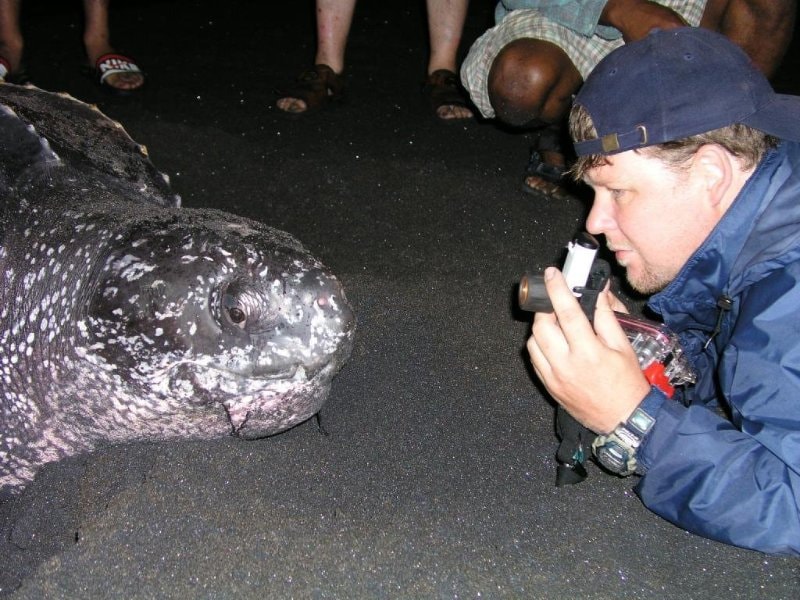
Rosalie Sea Turtle Initiative
Rowan Byrne served as Project Manager for RoSTI — a leatherback sea turtle conservation project at Rosalie Bay, Dominica, independently documented by WIDECAST. The project combined nightly beach patrols, nest monitoring, hatchling protection, satellite tracking and community engagement.
IrelandHowth Seabin Initiative
Rowan Byrne initiated the installation of a Seabin in Howth Harbour to intercept plastic pollution before it reaches the open sea. Independently reported by TheJournal.ie, RTÉ and the Irish Independent as a project started by Rowan Byrne, a marine biologist.