
MarineCreatures Short Films
Short Films &
Species Facts
I have spent more than thirty years working in the ocean — diving with great white sharks in South Africa, documenting leatherback sea turtles nesting in Dominica, studying sperm whales in the Caribbean, and working on marine conservation projects across more than forty countries. In all that time, the question I have been asked most often is a simple one: "What is it actually like down there?"
These short films are my attempt to answer that question. Each one takes a single species, behaviour, or ocean phenomenon and explains it as clearly and honestly as I can — drawing on what I have seen with my own eyes and what the science tells us. There is no sensationalism here, no manufactured drama. Just the ocean as it actually is: extraordinary, complex, and urgently in need of our attention.
Whether you are a diver, a student, a teacher, or simply someone who finds the sea endlessly fascinating — I hope these films give you something useful. The ocean covers more than seventy percent of our planet. Understanding it matters.
— Rowan Byrne, Marine Biologist
Featured Films
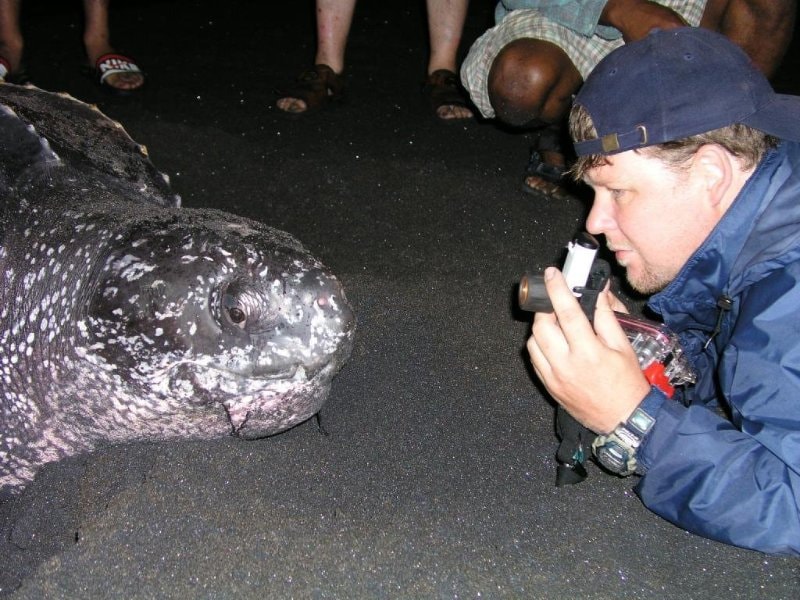
Leatherback Sea Turtle Nesting — Dominica
Dermochelys coriacea
Leatherback sea turtles can dive deeper than 1,000 metres and travel over 10,000 km between feeding and nesting grounds.
Great White Shark — South Africa
Carcharodon carcharias
Great white sharks can detect a single drop of blood in 100 litres of water and sense electrical fields produced by other animals.
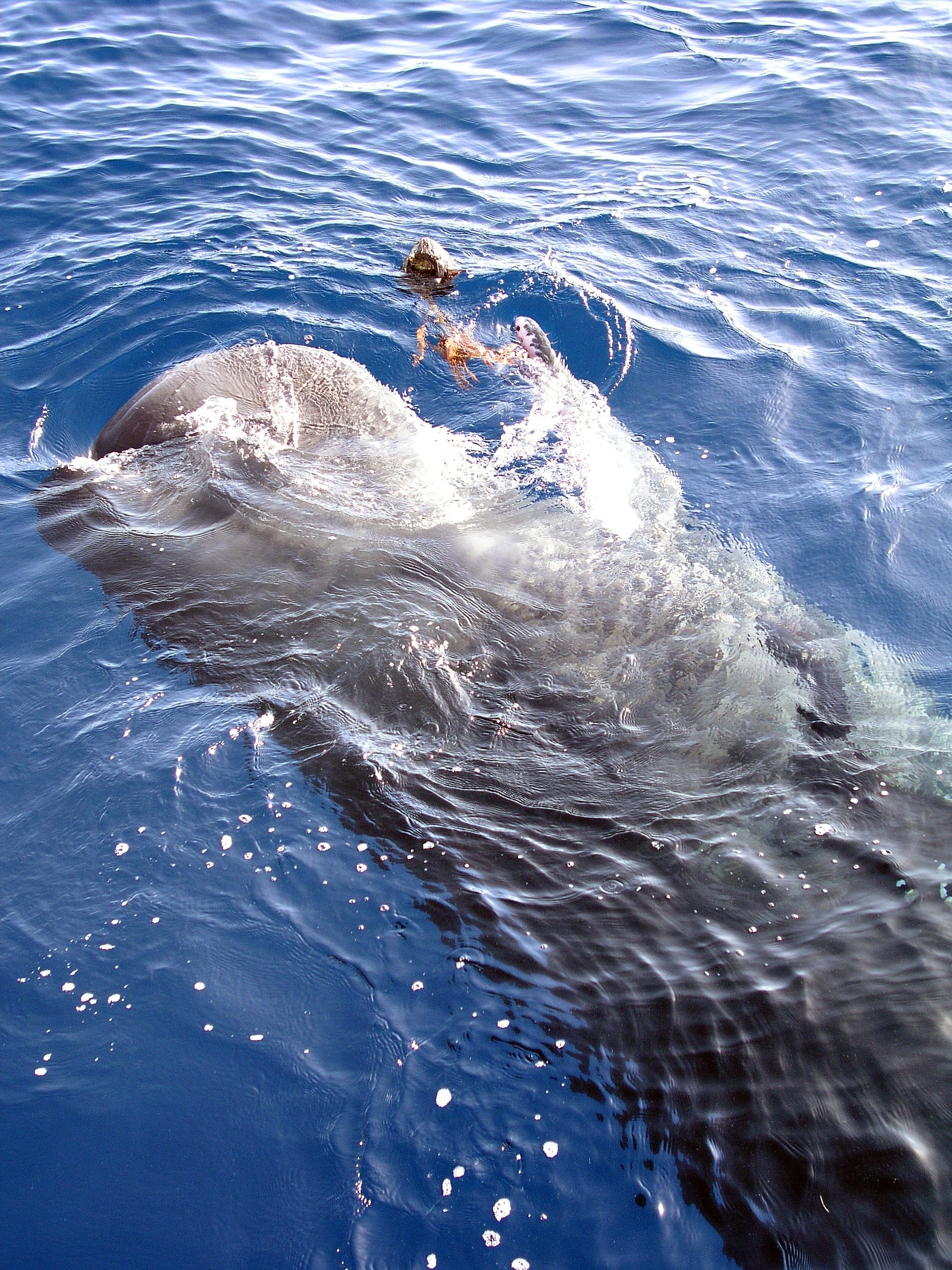
Sperm Whale — Dominica
Physeter macrocephalus
Sperm whales have the largest brain of any animal that has ever lived on Earth, weighing up to 9 kg.
Nurse Shark — Belize
Ginglymostoma cirratum
Nurse sharks are one of the few shark species that can rest motionless on the seafloor — they pump water over their gills rather than relying on forward motion to breathe.
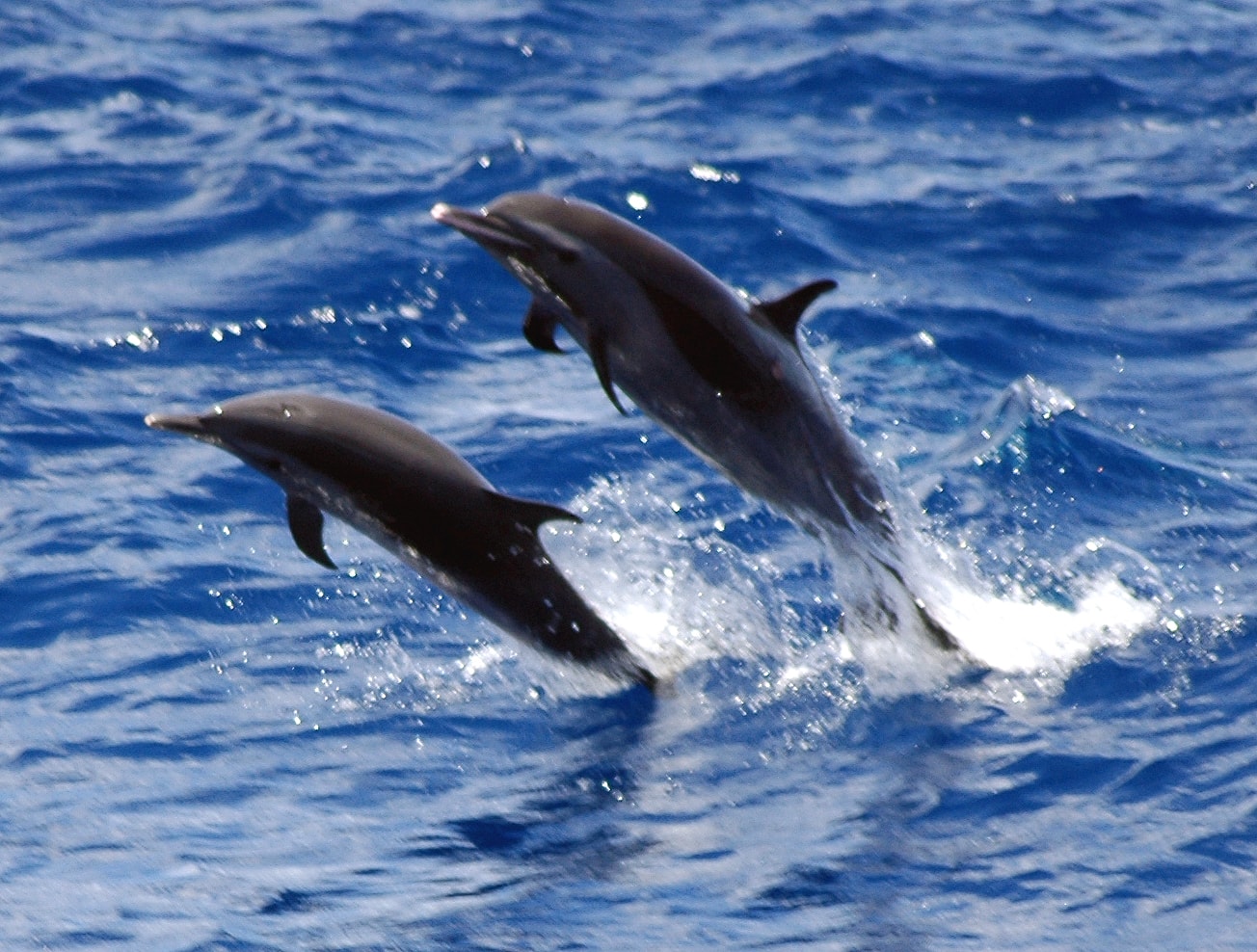
Striped Dolphins — Open Ocean
Stenella coeruleoalba
Striped dolphins can leap up to 7 metres out of the water and are capable of swimming at speeds exceeding 25 km/h.
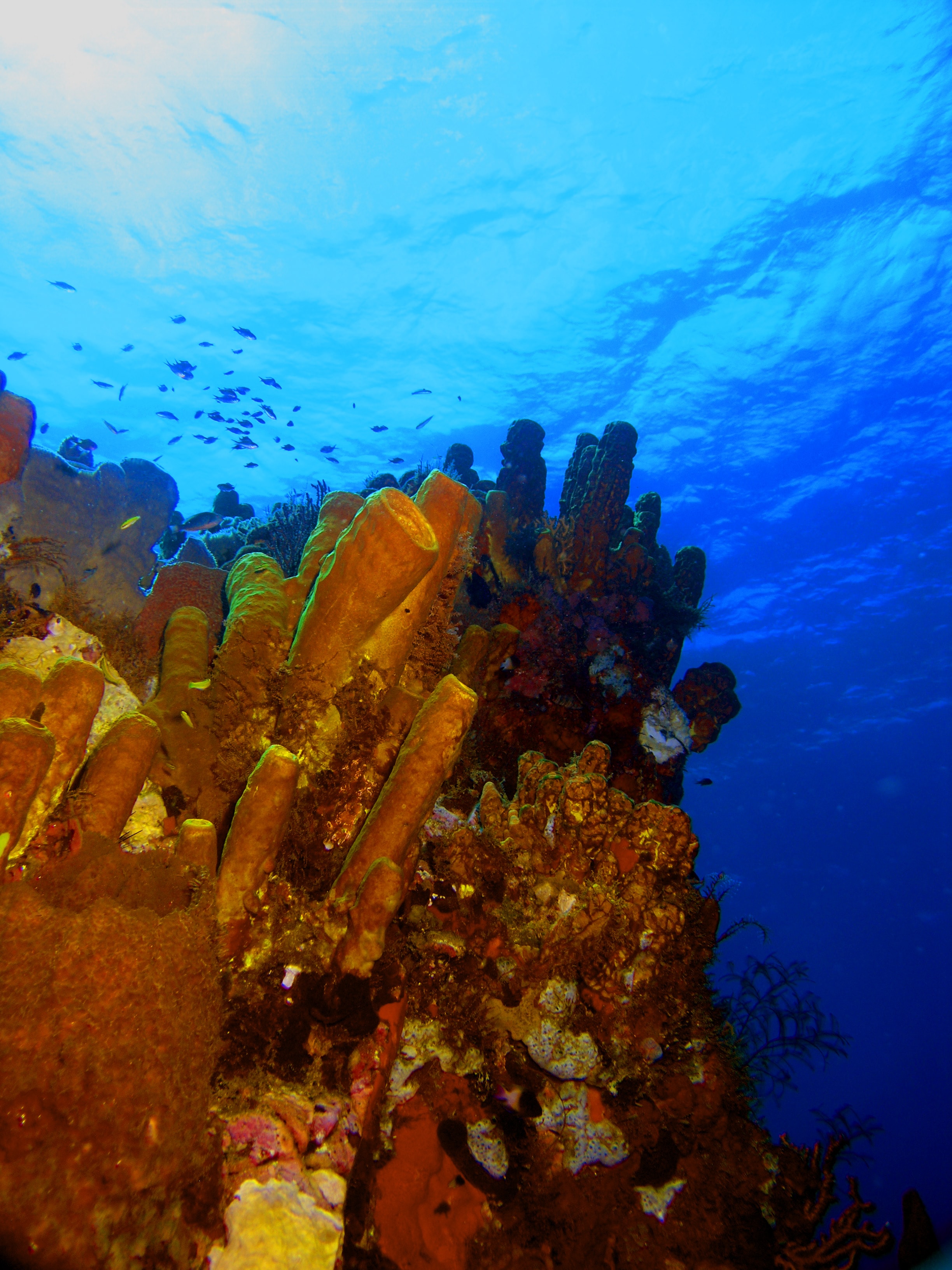
Coral Reef Biodiversity
Coral reefs support around 25% of all marine species despite covering less than 1% of the ocean floor.
Jellyfish — Open Ocean
Jellyfish have no brain, no heart, and no bones — yet they have survived five mass extinction events.
Ocean Plastic Pollution
By 2050, there could be more plastic in the ocean by weight than fish, if current trends continue.
Seagrass Meadows — The Ocean's Hidden Ecosystem
Seagrass meadows can capture carbon up to 35 times faster than tropical rainforests, making them vital allies in the fight against climate change.
Why Do Whales Breach?
A humpback whale weighing 30 tonnes can launch itself almost entirely out of the water — an extraordinary feat of power requiring enormous muscular effort.
How Do Sea Turtles Navigate Across Oceans?
Sea turtles use the Earth's magnetic field as a GPS system, detecting both field intensity and inclination angle to navigate across thousands of kilometres of open ocean.
Manta Ray Intelligence
Mobula birostris
Manta rays have the largest brain-to-body ratio of any fish species and have been observed apparently recognising their own reflection.
Seahorse Biology — The Male That Gives Birth
Hippocampus sp.
Seahorses are the only species on Earth where the male carries and gives birth to the young — a male can give birth to up to 2,000 young in a single pregnancy.
Howth Seabin — Collecting Marine Litter in Dublin
A single Seabin device can collect up to 1.5 kg of floating debris per day, including microplastics as small as 2mm.
Sunlight in the Deep — Light in the Ocean
Sunlight can only penetrate to approximately 200 metres in the clearest ocean water — below this depth, the ocean is in permanent twilight or darkness.
Masters of Ocean Camouflage
Cuttlefish have around 10 million colour-changing cells called chromatophores in their skin — yet they are completely colour-blind, navigating colour through polarised light.
Deep Sea Bioluminescence — Light in the Dark
An estimated 76% of deep-sea marine species are bioluminescent — making it the most common form of communication in the ocean.
Ocean Acidification Explained
The ocean has become 26% more acidic since the Industrial Revolution — a rate of change faster than anything seen in the past 300 million years.
Shark Myths Debunked
Humans kill approximately 100 million sharks every year. Sharks kill an average of 10 humans. The real danger runs in one direction only.
Whale Song — The Ocean's Music
Megaptera novaeangliae
Blue whale calls can travel thousands of kilometres through the ocean — making them the loudest animals on Earth, producing sounds up to 188 decibels.
Octopus Intelligence — The Alien Among Us
Octopus vulgaris
Two-thirds of an octopus's neurons are in its arms, not its brain — each arm can taste, touch, and make decisions independently.
Marine Protected Areas — Why They Work
Well-managed Marine Protected Areas can increase fish biomass by up to 600% — and the benefits spill over into surrounding unprotected waters.
Green Sea Turtle — Red Sea, Egypt
Chelonia mydas
Green sea turtles are the ocean's lawnmowers — their grazing keeps seagrass beds short and healthy, increasing productivity and providing habitat for hundreds of other species.
Sperm Whale Clicks — A Language of Their Own
Physeter macrocephalus
Sperm whale clans have distinct click dialects passed down through generations — a form of cultural identity unique among non-human animals.
Hawksbill Turtle — Architect of the Reef
Eretmochelys imbricata
Hawksbill turtles eat sea sponges that are toxic to almost every other animal — and by doing so, they prevent sponges from smothering coral reefs.
Dolphin Echolocation — Nature's Sonar
Tursiops truncatus
Dolphins can detect a golf ball-sized object at 100 metres using echolocation — and can 'see' inside other animals, detecting pregnancy and internal injuries.
Ocean Dead Zones — Where the Sea Can't Breathe
There are now over 700 ocean dead zones worldwide — and they are growing. The Gulf of Mexico dead zone alone covers an area larger than Wales.
Sea Otters — A Keystone Species
Enhydra lutris
Sea otters wrap themselves in kelp to anchor themselves while sleeping — and in doing so, they protect the very ecosystem that keeps them alive.
Whale Shark — The Ocean's Gentle Giant
Rhincodon typus
The whale shark is the largest fish in the ocean — yet it feeds on some of the smallest organisms, filtering over 6,000 litres of water per hour.
Coral Spawning — The Ocean's Greatest Event
During coral spawning, a single reef can release billions of egg-sperm bundles in a single night — the ocean turns pink with the density of reproductive material.
Leatherback Hatchlings — The Run to the Sea
Dermochelys coriacea
Only around one in a thousand leatherback hatchlings will survive to adulthood — making every individual that reaches the sea critically important to the species.
The Ocean's Conveyor Belt — Global Circulation
The ocean conveyor belt moves water around the entire planet in a cycle that takes approximately 1,000 years — and it keeps Western Europe up to 10°C warmer than it would otherwise be.
All 32 Films
Leatherback Sea Turtle Nesting — Dominica
Dermochelys coriacea
Leatherback sea turtles can dive deeper than 1,000 metres and travel over 10,000 km between feeding and nesting grounds.
Great White Shark — South Africa
Carcharodon carcharias
Great white sharks can detect a single drop of blood in 100 litres of water and sense electrical fields produced by other animals.
Sperm Whale — Dominica
Physeter macrocephalus
Sperm whales have the largest brain of any animal that has ever lived on Earth, weighing up to 9 kg.
Nurse Shark — Belize
Ginglymostoma cirratum
Nurse sharks are one of the few shark species that can rest motionless on the seafloor — they pump water over their gills rather than relying on forward motion to breathe.
Striped Dolphins — Open Ocean
Stenella coeruleoalba
Striped dolphins can leap up to 7 metres out of the water and are capable of swimming at speeds exceeding 25 km/h.
Coral Reef Biodiversity
Coral reefs support around 25% of all marine species despite covering less than 1% of the ocean floor.
Jellyfish — Open Ocean
Jellyfish have no brain, no heart, and no bones — yet they have survived five mass extinction events.
Ocean Plastic Pollution
By 2050, there could be more plastic in the ocean by weight than fish, if current trends continue.
Seagrass Meadows — The Ocean's Hidden Ecosystem
Seagrass meadows can capture carbon up to 35 times faster than tropical rainforests, making them vital allies in the fight against climate change.
Why Do Whales Breach?
A humpback whale weighing 30 tonnes can launch itself almost entirely out of the water — an extraordinary feat of power requiring enormous muscular effort.
How Do Sea Turtles Navigate Across Oceans?
Sea turtles use the Earth's magnetic field as a GPS system, detecting both field intensity and inclination angle to navigate across thousands of kilometres of open ocean.
Manta Ray Intelligence
Mobula birostris
Manta rays have the largest brain-to-body ratio of any fish species and have been observed apparently recognising their own reflection.
Seahorse Biology — The Male That Gives Birth
Hippocampus sp.
Seahorses are the only species on Earth where the male carries and gives birth to the young — a male can give birth to up to 2,000 young in a single pregnancy.
Howth Seabin — Collecting Marine Litter in Dublin
A single Seabin device can collect up to 1.5 kg of floating debris per day, including microplastics as small as 2mm.
Sunlight in the Deep — Light in the Ocean
Sunlight can only penetrate to approximately 200 metres in the clearest ocean water — below this depth, the ocean is in permanent twilight or darkness.
Masters of Ocean Camouflage
Cuttlefish have around 10 million colour-changing cells called chromatophores in their skin — yet they are completely colour-blind, navigating colour through polarised light.
Deep Sea Bioluminescence — Light in the Dark
An estimated 76% of deep-sea marine species are bioluminescent — making it the most common form of communication in the ocean.
Ocean Acidification Explained
The ocean has become 26% more acidic since the Industrial Revolution — a rate of change faster than anything seen in the past 300 million years.
Shark Myths Debunked
Humans kill approximately 100 million sharks every year. Sharks kill an average of 10 humans. The real danger runs in one direction only.
Whale Song — The Ocean's Music
Megaptera novaeangliae
Blue whale calls can travel thousands of kilometres through the ocean — making them the loudest animals on Earth, producing sounds up to 188 decibels.
Octopus Intelligence — The Alien Among Us
Octopus vulgaris
Two-thirds of an octopus's neurons are in its arms, not its brain — each arm can taste, touch, and make decisions independently.
Marine Protected Areas — Why They Work
Well-managed Marine Protected Areas can increase fish biomass by up to 600% — and the benefits spill over into surrounding unprotected waters.
Green Sea Turtle — Red Sea, Egypt
Chelonia mydas
Green sea turtles are the ocean's lawnmowers — their grazing keeps seagrass beds short and healthy, increasing productivity and providing habitat for hundreds of other species.
Sperm Whale Clicks — A Language of Their Own
Physeter macrocephalus
Sperm whale clans have distinct click dialects passed down through generations — a form of cultural identity unique among non-human animals.
Hawksbill Turtle — Architect of the Reef
Eretmochelys imbricata
Hawksbill turtles eat sea sponges that are toxic to almost every other animal — and by doing so, they prevent sponges from smothering coral reefs.
Dolphin Echolocation — Nature's Sonar
Tursiops truncatus
Dolphins can detect a golf ball-sized object at 100 metres using echolocation — and can 'see' inside other animals, detecting pregnancy and internal injuries.
Ocean Dead Zones — Where the Sea Can't Breathe
There are now over 700 ocean dead zones worldwide — and they are growing. The Gulf of Mexico dead zone alone covers an area larger than Wales.
Sea Otters — A Keystone Species
Enhydra lutris
Sea otters wrap themselves in kelp to anchor themselves while sleeping — and in doing so, they protect the very ecosystem that keeps them alive.
Whale Shark — The Ocean's Gentle Giant
Rhincodon typus
The whale shark is the largest fish in the ocean — yet it feeds on some of the smallest organisms, filtering over 6,000 litres of water per hour.
Coral Spawning — The Ocean's Greatest Event
During coral spawning, a single reef can release billions of egg-sperm bundles in a single night — the ocean turns pink with the density of reproductive material.
Leatherback Hatchlings — The Run to the Sea
Dermochelys coriacea
Only around one in a thousand leatherback hatchlings will survive to adulthood — making every individual that reaches the sea critically important to the species.
The Ocean's Conveyor Belt — Global Circulation
The ocean conveyor belt moves water around the entire planet in a cycle that takes approximately 1,000 years — and it keeps Western Europe up to 10°C warmer than it would otherwise be.
Explore More
The short films are one part of a much larger archive. Explore the rest of the MarineCreatures collection.
New films published regularly
Follow on TikTok
Species facts, field notes, ocean science and marine conservation — new short films added regularly to the @marinecreatures channel.
@marinecreatures on TikTok