

Marine Species
Corals
The architects of the ocean's most biodiverse ecosystems
25%
Marine species supported
<1%
Ocean floor covered
500M
People dependent on reefs
50%
Reefs lost since 1950
Corals are remarkable animals — colonial organisms that build the most biodiverse ecosystems on Earth. Coral reefs cover less than 1% of the ocean floor yet support approximately 25% of all marine species. They provide food and livelihoods for hundreds of millions of people worldwide. Yet coral reefs are among the most threatened ecosystems on the planet, facing existential pressure from climate change, ocean acidification and direct human impacts.
What Are Corals?
Corals are animals — specifically, they are colonial cnidarians related to jellyfish and sea anemones. Each coral colony is made up of thousands of tiny individual animals called polyps, each typically just a few millimetres in diameter. Polyps secrete calcium carbonate skeletons that accumulate over centuries to form the massive reef structures we see today. Most reef-building corals have a symbiotic relationship with microscopic algae called zooxanthellae that live within their tissues. These algae photosynthesise, providing up to 90% of the coral's energy needs, and give corals their characteristic colours.
Reef Ecosystems
Coral reefs are often called the 'rainforests of the sea' for their extraordinary biodiversity. A single reef system can support thousands of species of fish, invertebrates, algae and microorganisms, all interconnected in complex food webs. Reefs provide essential services: they protect coastlines from wave erosion, provide nursery habitat for commercially important fish species, support tourism industries worth billions of dollars annually, and are a source of compounds used in medicines. The Great Barrier Reef alone supports over 1,500 fish species, 4,000 mollusc species and 240 bird species.
Coral Bleaching
Coral bleaching occurs when corals are stressed — most commonly by elevated water temperatures — causing them to expel their zooxanthellae. Without these algae, corals turn white (bleach) and, if the stress persists, die. Mass bleaching events have become more frequent and severe as ocean temperatures rise due to climate change. The Great Barrier Reef experienced unprecedented mass bleaching events in 2016, 2017, 2020, 2022 and 2024. While corals can recover from bleaching if conditions improve quickly, repeated events prevent recovery and lead to permanent reef degradation. Scientists project that at 2°C of global warming, 99% of coral reefs will bleach annually.
Conservation
Protecting coral reefs requires action at multiple scales. Locally, reducing direct pressures — overfishing, coastal pollution, destructive fishing practices and physical damage — gives reefs the best chance of surviving climate stress. Marine protected areas, when properly enforced, can significantly improve reef resilience. Globally, reducing greenhouse gas emissions is the only way to prevent the ocean warming and acidification that threatens reefs at their foundation. Innovative conservation approaches include coral gardening (growing and transplanting coral fragments), assisted evolution (breeding heat-tolerant corals) and reef restoration. However, these interventions cannot substitute for addressing the root cause of climate change.
Species Spotlight
Key Species
Staghorn Coral
Acropora cervicornis
Brain Coral
Diploria labyrinthiformis
Elkhorn Coral
Acropora palmata
Pillar Coral
Dendrogyra cylindrus
Table Coral
Acropora hyacinthus
Mushroom Coral
Fungia spp.
Rowan Byrne — Coral Reef Photography
Coral Reefs — Underwater Photography
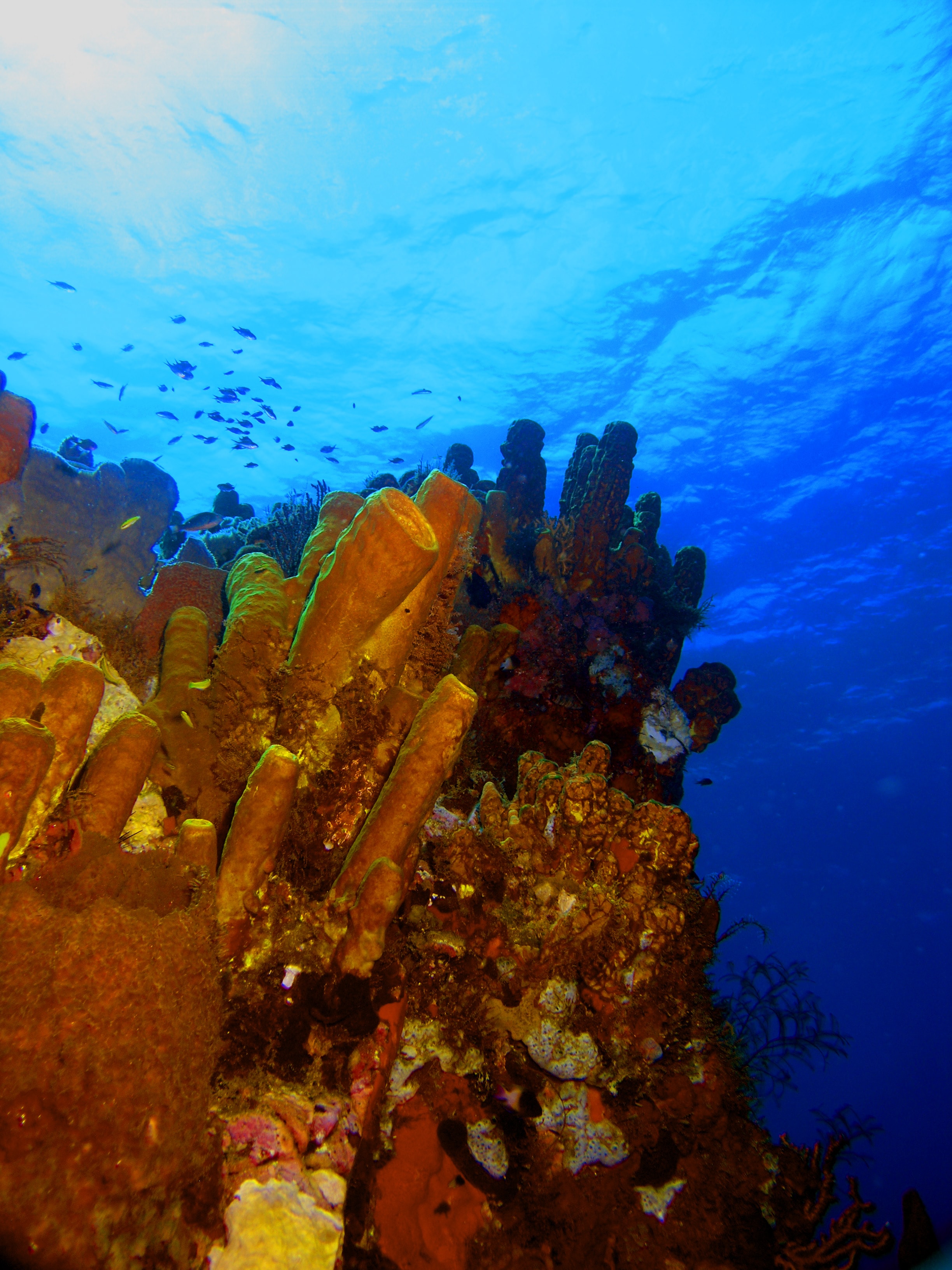
Vibrant coral reef with tropical fish · © Rowan Byrne
Coral reef close-up · © Rowan Byrne
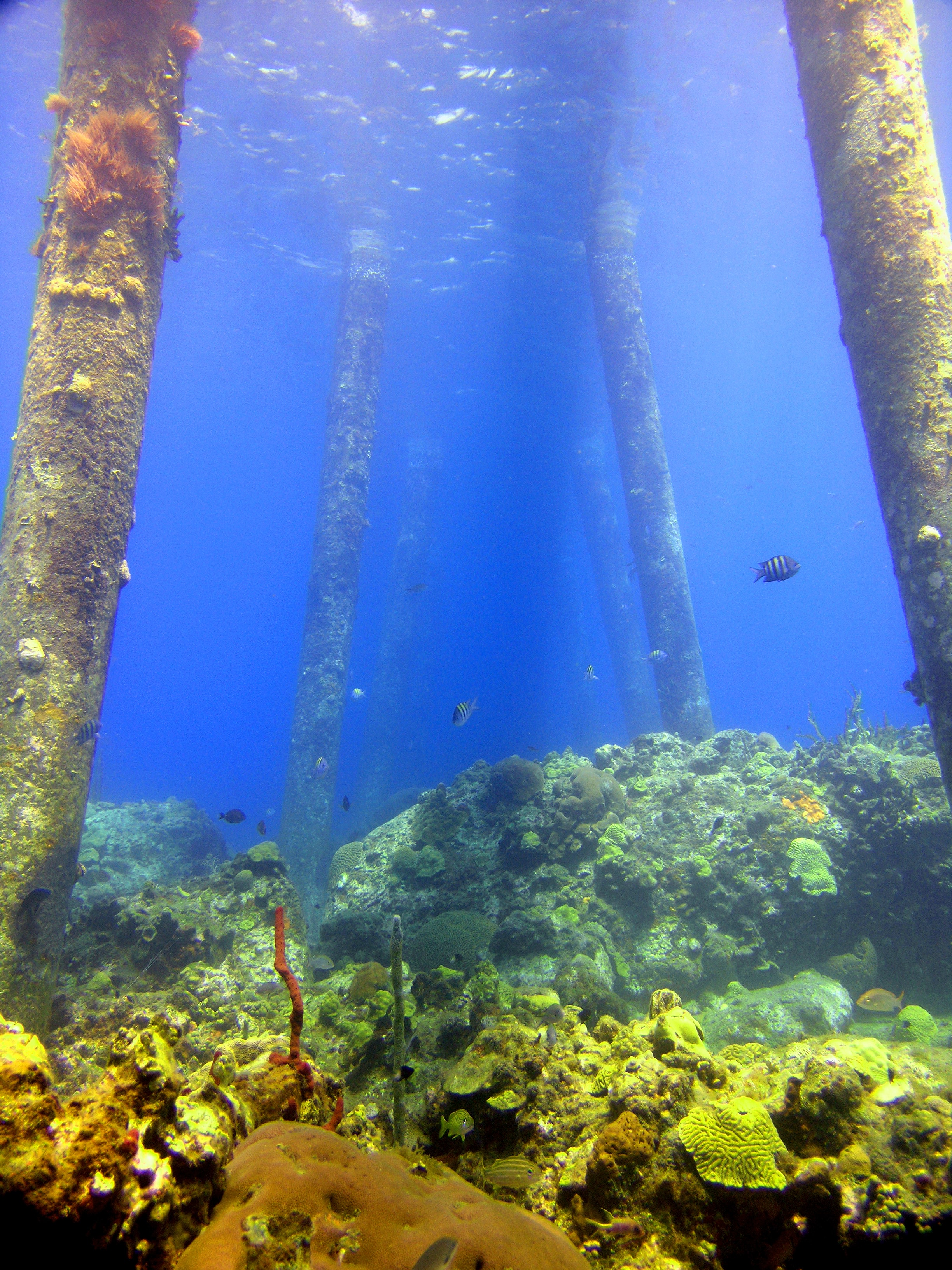
Reef habitat · © Rowan Byrne
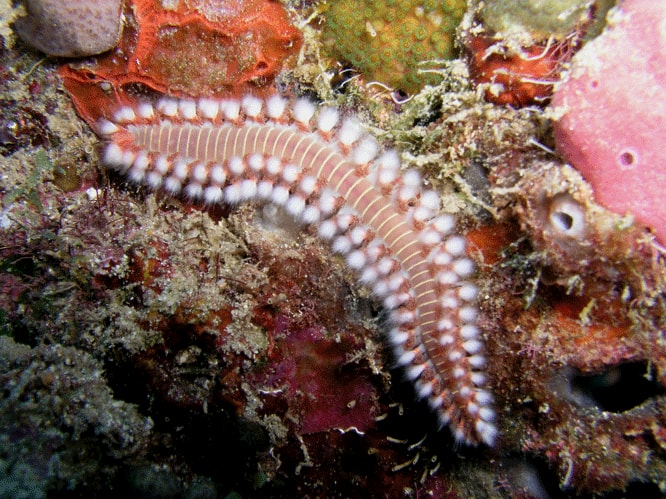
Shallow reef habitat · © Rowan Byrne
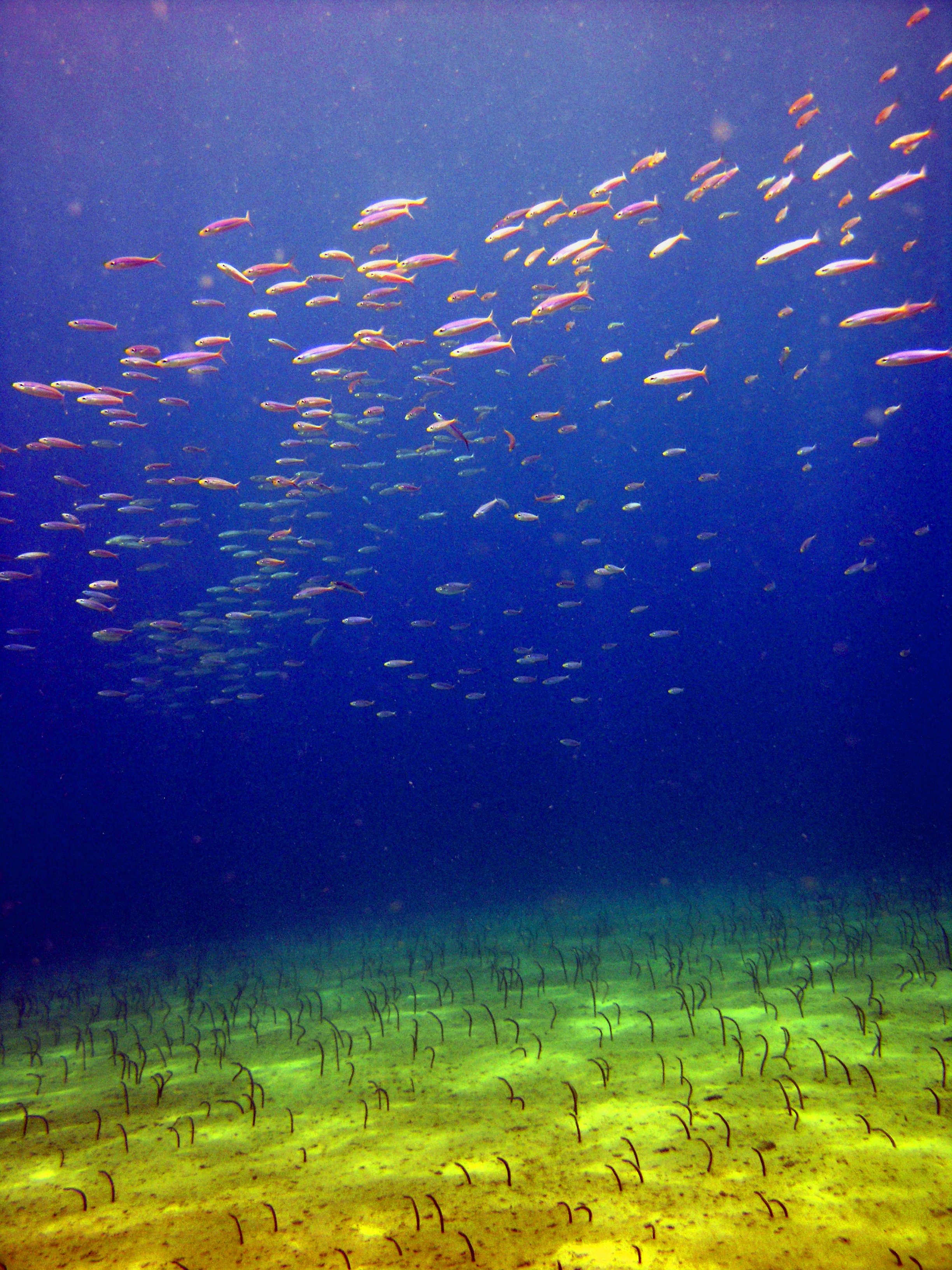
Fish over reef habitat · © Rowan Byrne
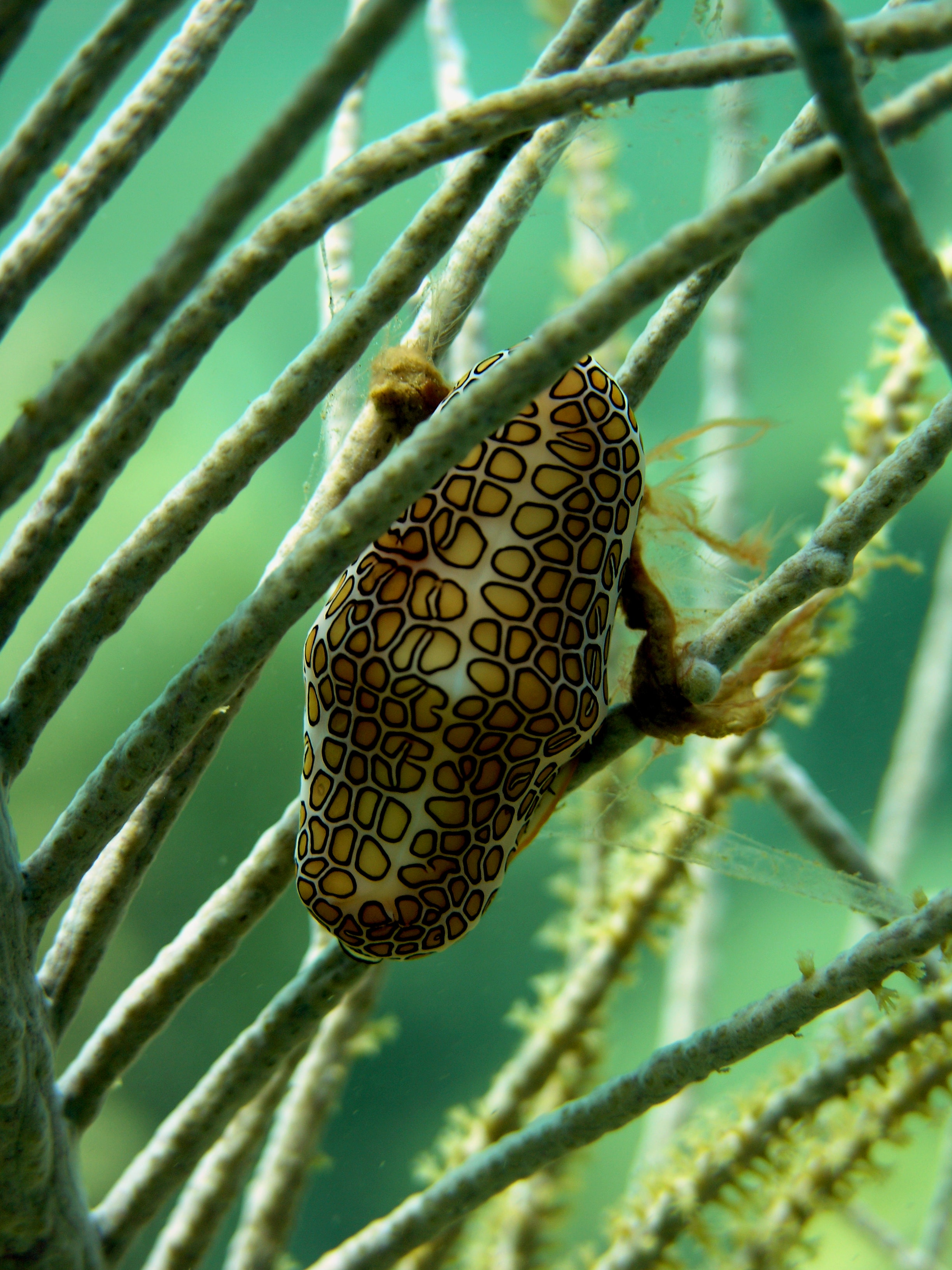
Sea turtle on reef · © Rowan Byrne
Fieldwork & stories
Rowan Byrne — Coral Reef Fieldwork
Rowan Byrne has dived and worked on coral reefs across the Indo-Pacific, Caribbean and Atlantic throughout his career as a marine biologist and ecologist. His fieldwork has taken him to reef systems in the Philippines, Rarotonga, Dominica and beyond — documenting marine biodiversity and the pressures facing reef ecosystems.
Philippines · 2000
Philippines — Coral Triangle
Fieldwork in the Philippines — diving the coral triangle, one of the most biodiverse reef systems on Earth.
Rarotonga · 1999
Night Diving — Rarotonga
Night diving on Pacific reef systems — encountering marine life after dark in the Cook Islands.
Conservation
Reef Conservation
Coral reefs face existential threats from climate change, ocean acidification and direct human impacts. Explore the conservation challenges.
Explore more marine species
Discover the full diversity of ocean life in Rowan Byrne's Marine Species Encyclopedia.
View All Species