

Marine Species
Whales
The largest animals ever to have lived on Earth
90+
Known species
30m
Blue whale length
200t
Blue whale weight
3,000m
Sperm whale dive depth
Whales are the largest animals ever to have existed on our planet. The blue whale, at up to 30 metres in length and 200 tonnes in weight, surpasses even the largest dinosaurs. Yet these ocean giants are gentle filter feeders, consuming vast quantities of tiny krill. Whales belong to the order Cetacea and are divided into two main groups: baleen whales (Mysticeti) and toothed whales (Odontoceti).
Biology & Adaptations
Whales are fully aquatic mammals that breathe air through blowholes on the top of their heads. Their bodies have evolved remarkable adaptations for life in the ocean: streamlined forms, flippers evolved from forelimbs, and a horizontal tail fluke that provides powerful propulsion. A thick layer of blubber provides insulation in cold waters and serves as an energy reserve during migrations and fasting periods. Whales are warm-blooded, give birth to live young, and nurse their calves with milk — all distinctly mammalian characteristics retained from their land-dwelling ancestors.
Communication & Song
Whale communication is among the most sophisticated in the animal kingdom. Humpback whales produce complex songs that can last for hours and travel thousands of kilometres through the ocean. These songs evolve over time, with new phrases spreading through populations like cultural trends. Sperm whales communicate using patterns of clicks called codas, with different family groups having distinct dialects. Blue whales produce the loudest sounds of any animal — low-frequency calls that can travel across entire ocean basins. Scientists believe whale communication plays roles in mate attraction, social bonding and navigation.
Migration
Many whale species undertake some of the longest migrations of any animal on Earth. Humpback whales travel up to 25,000 kilometres annually between their tropical breeding grounds and polar feeding areas. Grey whales migrate along the Pacific coast of North America, covering up to 20,000 kilometres each way. These migrations are driven by the seasonal availability of food — whales feed intensively in productive polar waters during summer, then fast during winter while breeding in warmer tropical seas. Climate change is disrupting these ancient migration patterns as prey distributions shift.
Conservation
Commercial whaling in the 20th century brought many whale species to the brink of extinction. Blue whale populations were reduced by over 99% before international protections were introduced. While the International Whaling Commission moratorium on commercial whaling in 1986 allowed some populations to begin recovering, many species remain endangered. Today, whales face threats from ship strikes, entanglement in fishing gear, underwater noise pollution, plastic ingestion and climate change. Protecting whale populations requires international cooperation and addressing the full range of human impacts on the marine environment.
Species Spotlight
Key Species
Blue Whale
Balaenoptera musculus
Humpback Whale
Megaptera novaeangliae
Sperm Whale
Physeter macrocephalus
Orca
Orcinus orca
Fin Whale
Balaenoptera physalus
North Atlantic Right Whale
Eubalaena glacialis
Rowan Byrne — Whale & Dolphin Photography
Whales & Dolphins in the Wild
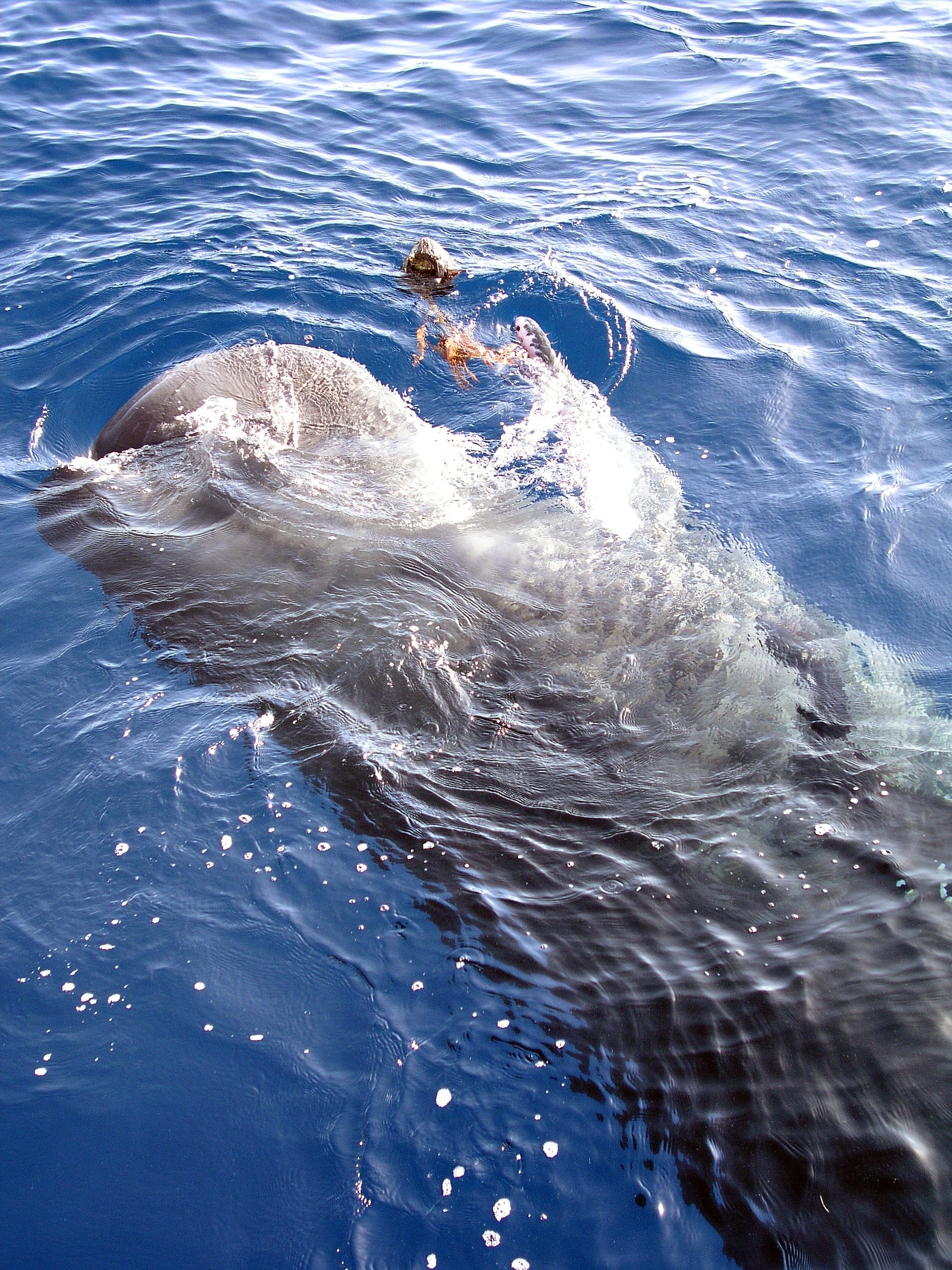
Sperm whale (Physeter macrocephalus) · Dominica, Caribbean · © Rowan Byrne
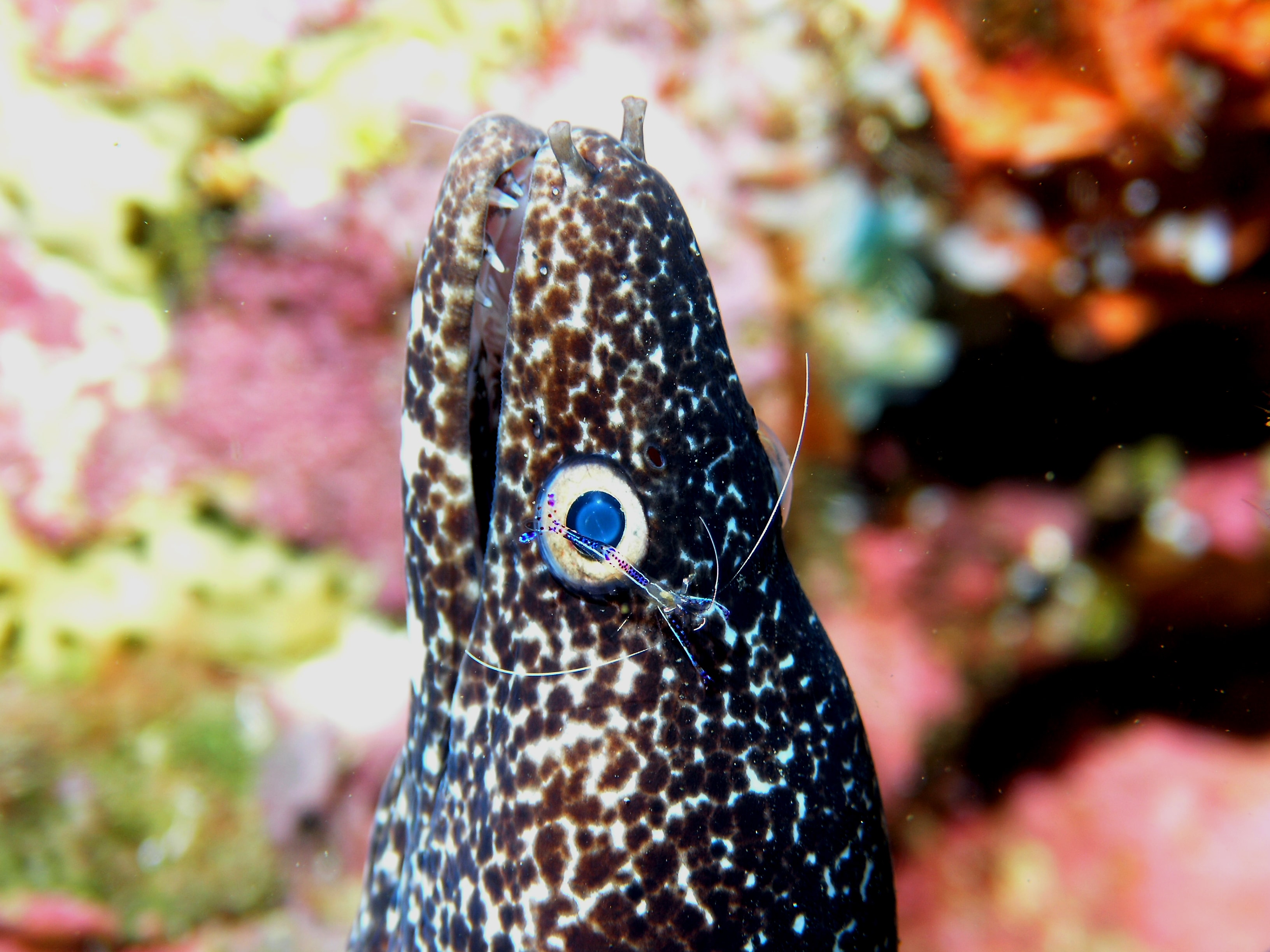
Whale breaching · © Rowan Byrne
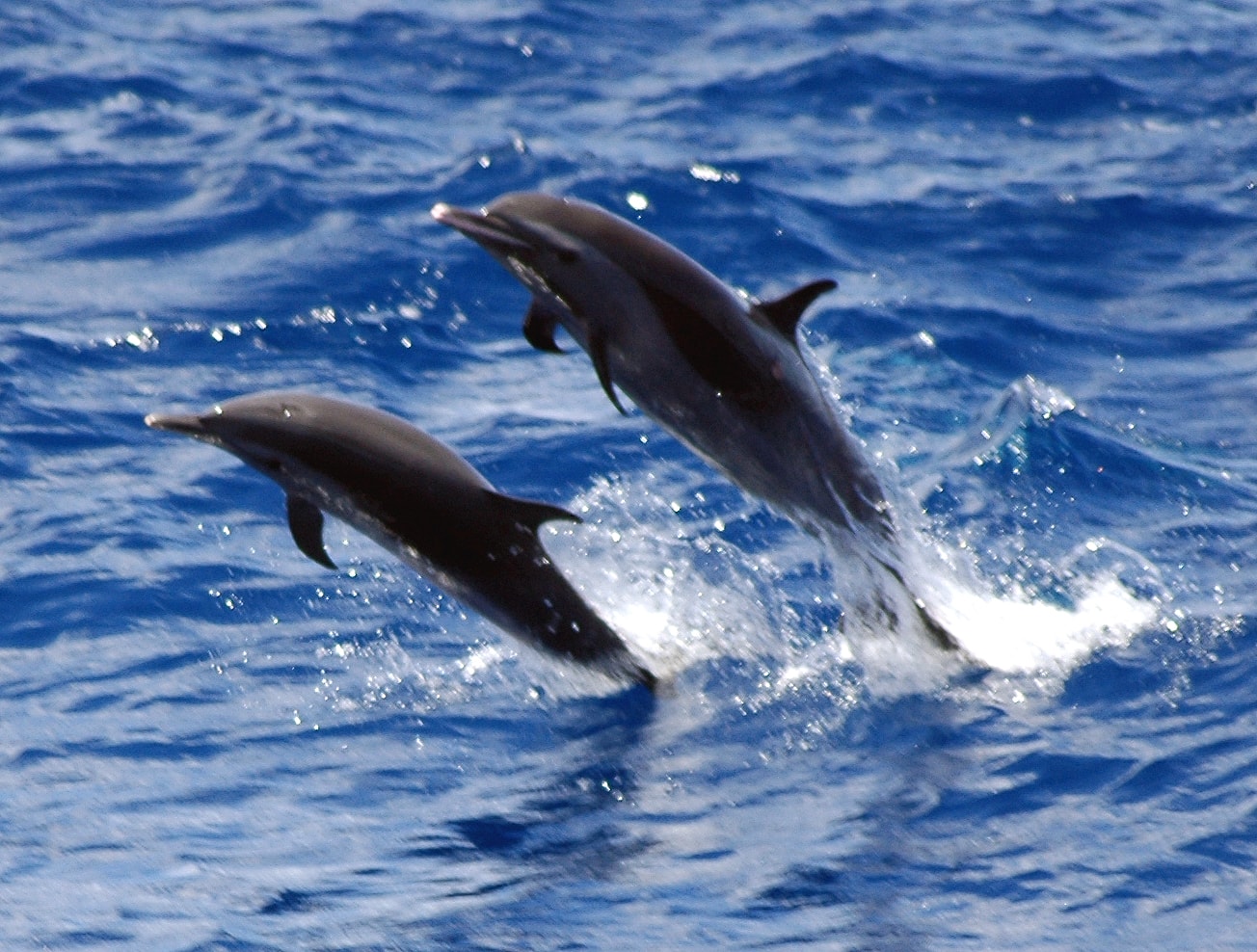
Striped dolphins (Stenella coeruleoalba) · © Rowan Byrne
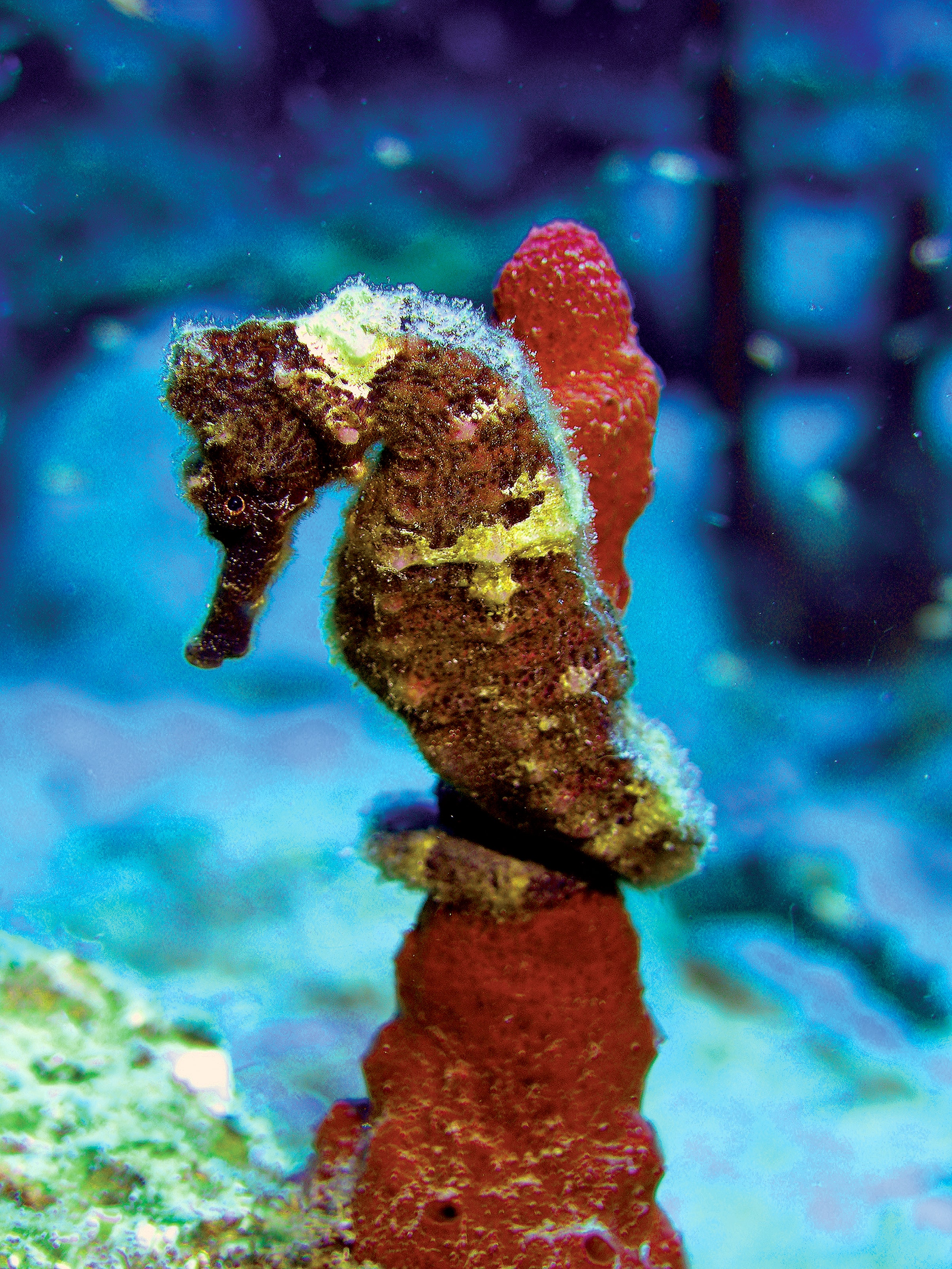
Dolphins at the surface · © Rowan Byrne

Marine mammals underwater · © Rowan Byrne
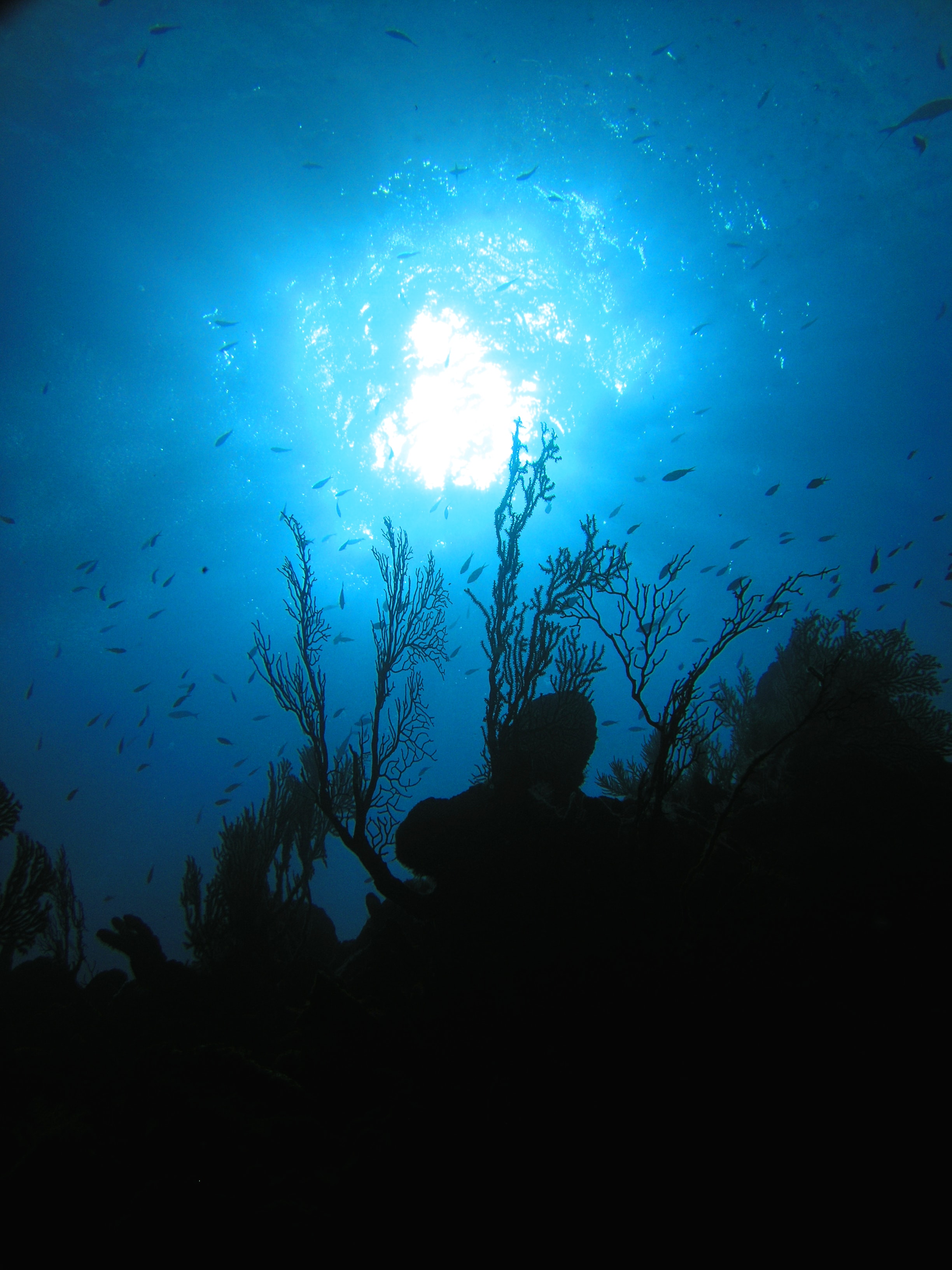
Ascending through blue water · Rowan Byrne fieldwork · © Rowan Byrne
Fieldwork & encounters
Rowan Byrne — Marine Mammal Fieldwork
Rowan Byrne has worked with whales and dolphins throughout his career as a marine biologist and ecologist. His fieldwork has included marine mammal observation, MMO (Marine Mammal Observer) work, PAM (Passive Acoustic Monitoring) operations, and direct encounters with sperm whales, humpback whales and multiple dolphin species across the Atlantic and Caribbean.
Dominica, Caribbean · 2003
Diving with Giants — Dominica
Encountering sperm whales and leatherback sea turtles in the waters off Dominica — a defining fieldwork experience.
Professional Experience
Marine Mammal Observer & PAM Work
Rowan Byrne's extensive experience as a Marine Mammal Observer and Passive Acoustic Monitoring operator across offshore energy and research projects.
Explore more marine species
Discover the full diversity of ocean life in Rowan Byrne's Marine Species Encyclopedia.
View All Species