
Marine Biology · Research · Conservation · Fieldwork
Marine Plastics
Research, Evidence, Impacts and Solutions for a Changing Ocean
Exploring marine plastic pollution through field research, environmental monitoring, conservation, photography and practical solutions.
Rowan Byrne and Marine Plastics
Rowan Byrne is an Irish marine biologist and marine ecologist with more than 30 years of professional experience spanning marine and freshwater ecology, conservation, environmental consultancy, scientific research and marine wildlife photography across more than 22 countries.
Marine plastic pollution has been a sustained focus of Rowan's professional and scientific work — from long-term coastal monitoring at Howth Harbour to peer-reviewed research on microplastics in river systems, and from practical field projects such as the Seabin Initiative to public engagement through TEDx, RTÉ Radio and national media.
His approach combines rigorous field science with practical conservation, treating marine plastic pollution not as an abstract environmental issue but as a documented, measurable threat to marine ecosystems and wildlife that demands evidence-based responses.
- 30+ years marine and freshwater ecological experience
- Published marine plastics research
- Long-term coastal plastic monitoring
- Microplastics and river systems research
- Practical field conservation projects
- TEDx speaker — plastic pollution and oceans
- RTÉ Radio and national media contributor
- Fellow, Royal Society of Biology
- Chartered Scientist (CSci)
Marine Plastic Research
The following research projects represent Rowan Byrne's documented scientific contributions to understanding marine and freshwater plastic pollution. All information is drawn from published sources and documented fieldwork.
Howth Harbour Marine Plastic Fieldwork
Howth Harbour Marine Plastic Monitoring / Seabin Initiative
Howth, County Dublin, Ireland
Howth Harbour is one of Ireland's busiest fishing harbours and a significant recreational marina on the north Dublin coast. Like many working harbours, it faces ongoing challenges from marine litter, plastic debris and pollution entering the water from land-based and marine sources.
Rowan Byrne's marine plastics fieldwork at Howth has included long-term coastal monitoring to establish baseline data for plastic pollution levels, the installation and operation of a Seabin — a floating marine litter capture device — to intercept plastic debris before it disperses into the wider marine environment, and published research documenting findings from this monitoring programme.
The Howth Seabin Initiative attracted significant national media coverage, including RTÉ Radio and national press, raising public awareness of marine plastic pollution in Irish coastal waters and demonstrating practical, evidence-based approaches to marine litter management.
The long-term monitoring programme established at Howth provides a documented scientific baseline for understanding coastal plastic pollution trends at a representative Irish location, supporting evidence-based management and policy responses.

Marine Plastics Knowledge Hub
Research → Impact → Solutions
Research
Evidence from fieldwork, monitoring and scientific studies. Long-term baseline data, peer-reviewed publications and field observations provide the scientific foundation for understanding marine plastic pollution.
Impact
Effects of plastic pollution on marine ecosystems and wildlife. Documented impacts on sea turtles, cetaceans, seabirds, fish and invertebrates, and on coastal and marine habitats.
Solutions
Prevention, reduction, monitoring, innovation, education and conservation. Evidence-based approaches that address plastic pollution at source, in transit and in the marine environment.
Scientific Evidence & Publications
Selected marine plastics research and publications by Rowan Byrne. For the full research archive, visit the Publications page.
Coastal Marine Plastic Pollution: Long-Term Baseline Study & Monitoring at Howth, Co. Dublin, Ireland
2023Institute of Water Journal, Winter 2023
Long-term baseline study establishing plastic pollution monitoring data for Howth Harbour, Dublin, supporting evidence-based coastal management.
Publication link to be addedA Micro and Nanoplastics Capture Study on a River Discharge Outfall
2023ResearchGate
Research investigating the capture and characterisation of micro and nanoplastics at a river discharge outfall, contributing to understanding of freshwater-to-marine plastic pathways.
View publicationRiver Great Ouse Microplastics Research
[Year to be confirmed][Publication details to be added]
Research examining microplastics in the River Great Ouse system, investigating wastewater and riverine pathways contributing to marine plastic pollution.
Publication link to be addedMarine Plastics Photography
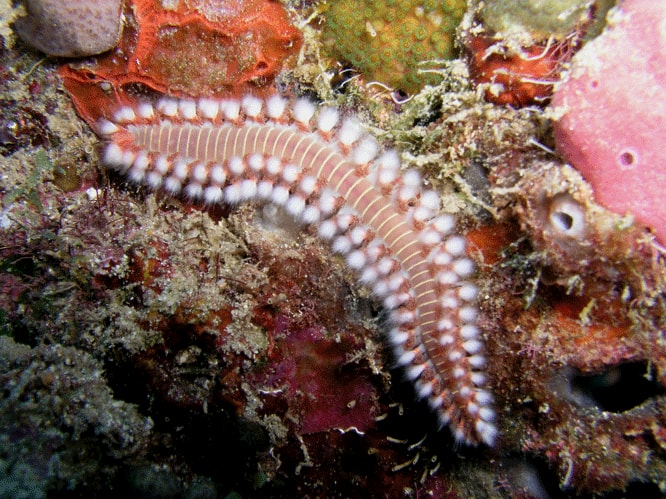
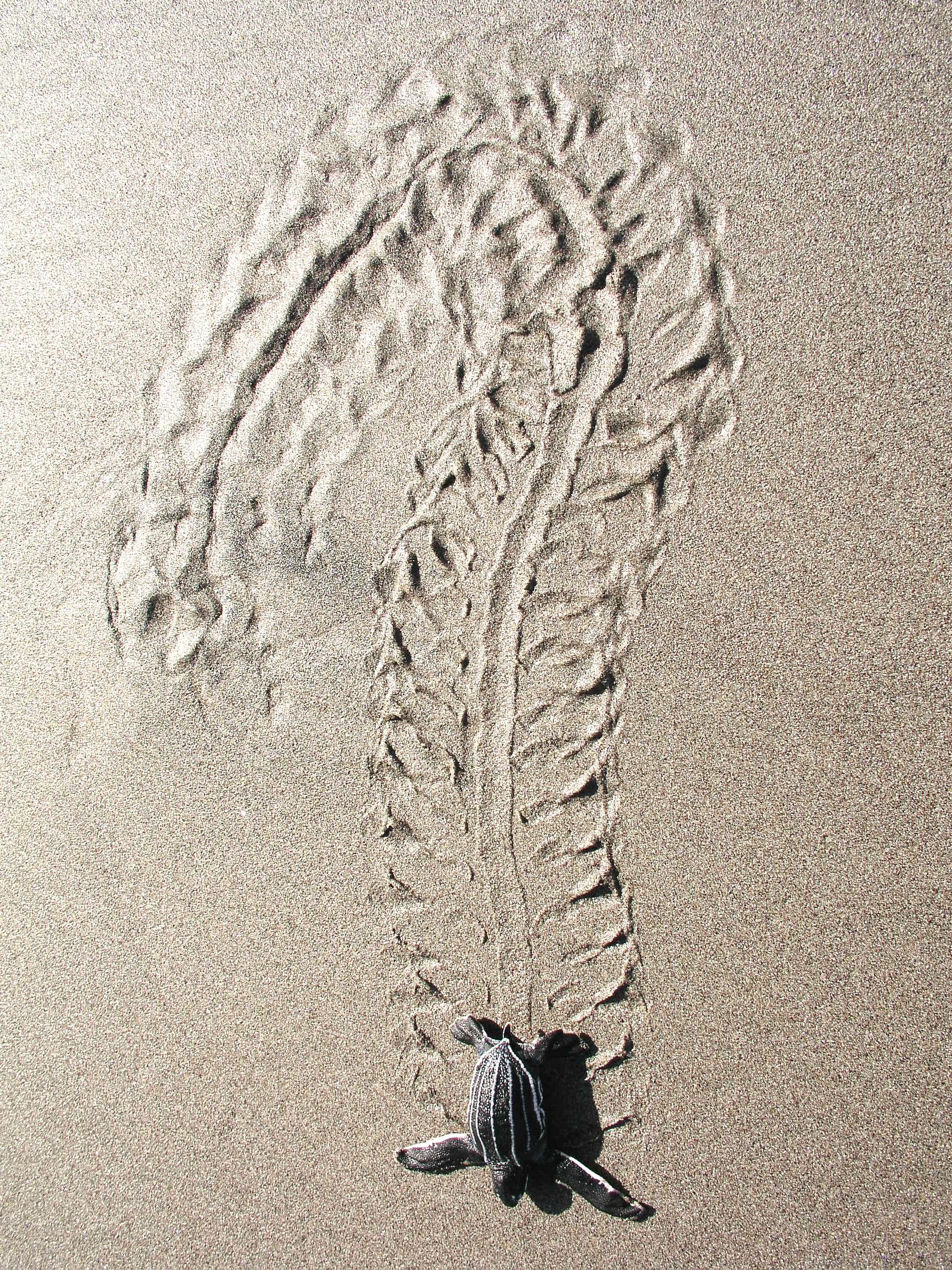
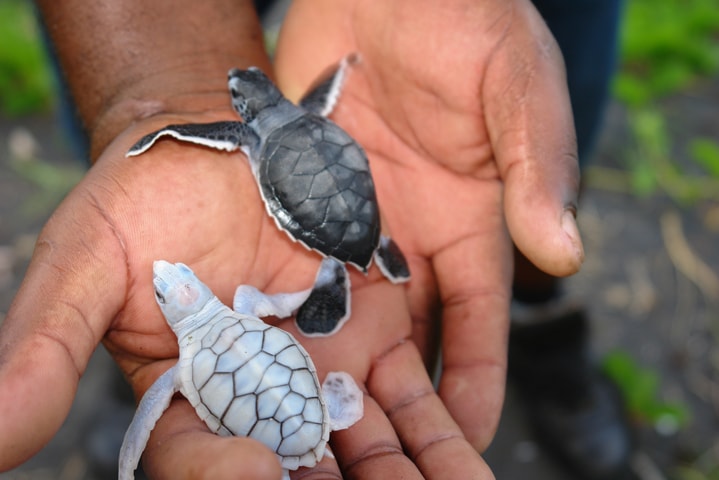
Photography from Rowan Byrne's fieldwork and conservation projects. Images document marine environments, wildlife and field monitoring work.

Plastic Solutions
Reduce
Reduce unnecessary plastic entering marine environments through source reduction, improved product design, better waste management and policy frameworks that address plastic at the point of production and use.
Monitor
Use evidence and long-term monitoring to understand sources, pathways and trends. Systematic field surveys and baseline studies provide the scientific data needed to evaluate interventions and inform policy.
Innovate
Develop better materials, systems and environmental technologies. From biodegradable alternatives to capture devices such as the Seabin, innovation plays a critical role in reducing plastic pollution.
Educate
Share evidence and improve public understanding of marine plastic pollution. Public engagement through media, talks, photography and accessible science communication builds the awareness needed for lasting change.
Protect
Support healthier marine ecosystems and practical conservation. Marine protected areas, habitat management and species conservation all benefit from reduced plastic pollution in the marine environment.
Evidence Behind the Work
The marine plastics content on this page is grounded in documented professional work, published research and field conservation projects. The following links provide independent verification.
Published Research
Peer-reviewed and published research on marine and freshwater plastic pollution.
View PublicationsField Projects
Documented fieldwork including the Howth Harbour Seabin Initiative and coastal monitoring programme.
View FieldworkRTÉ Radio
Multiple RTÉ Radio 1 appearances covering marine plastics, the Howth Seabin and marine conservation.
Listen on RTÉMedia Coverage
Irish Independent, TheJournal.ie and Irish Examiner coverage of marine plastics work.
View MediaPhotography
Marine wildlife and conservation photography documenting field work and marine environments.
View PhotographyProfessional Experience
30+ years of documented professional experience in marine biology, ecology and conservation.
View ExperienceRecognition
IEMA Sustainability Leader 2020, ISEP Sustainability Impact Award, Fellow of the Royal Society of Biology.
View Profile