
Pioneering Marine Net Gain: Integrating Artificial Rock Pools and Nature Inclusive Design
How evidence-led ecological asset mapping transforms grey infrastructure into thriving marine sanctuaries.
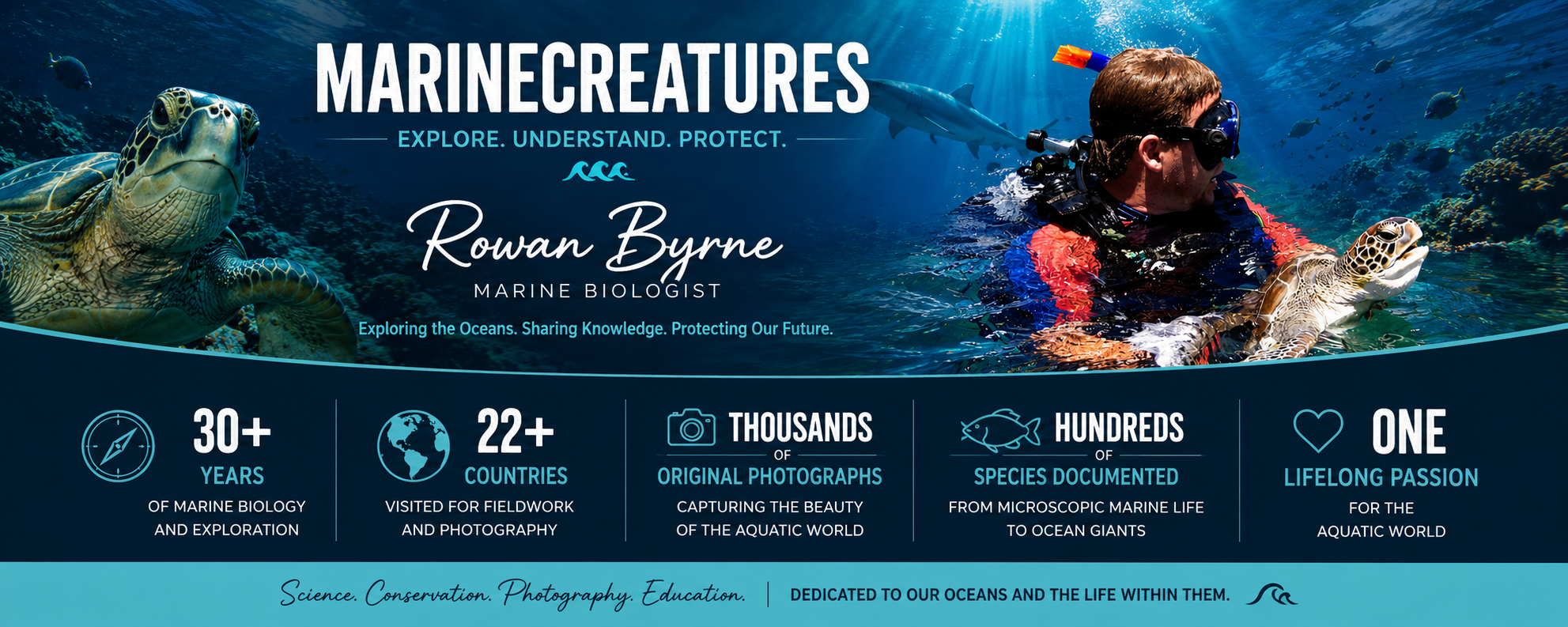
Rowan Byrne FRSB CSci
Technical Director & Lead Marine Biologist
From Damage Limitation to Nature Inclusive Design
The global regulatory landscape for coastal and marine infrastructure has shifted fundamentally. The old model — damage limitation, mitigation, and offsetting — is being replaced by a statutory requirement for Biodiversity Net Gain (BNG) and Marine Net Gain (MNG). Nature Inclusive Design (NID) is now a core engineering and ecological discipline.
This case study documents the implementation of MNG and NID principles in a coastal infrastructure context. It draws on the field experience of Rowan Byrne (FRSB, CSci), Technical Director and Lead Marine Biologist, spanning over 30 years of balancing complex engineering constraints with robust marine biology in both inshore and offshore environments.
The project demonstrates how evidence-led ecological asset mapping, structural enhancement, and systemic environmental remediation can transform conventional grey infrastructure into productive intertidal habitat — delivering measurable biodiversity gain against a verified baseline.
The Problem — Grey Infrastructure and Biodiversity Loss
Conventional smooth concrete seawalls, breakwaters, and revetments are ecologically hostile surfaces. Their uniform texture, lack of crevices, and rapid drainage during tidal recession fundamentally reject marine colonisation.
Hard coastal engineering infrastructure — built to protect coastlines, harbours, and offshore installations — typically supports a fraction of the biodiversity found on natural rocky shores. The smooth, featureless surfaces dry rapidly at low tide, offer no refugia for moisture-dependent species, and provide no substrate complexity for larval settlement.
As coastal infrastructure expands globally — driven by sea-level rise adaptation, port development, and offshore renewable energy — the cumulative biodiversity cost of grey infrastructure is significant. Marine Net Gain regulation requires that new and retrofitted infrastructure delivers a measurable net benefit to marine biodiversity, not merely avoids harm.
The Solution — Hallborn: Nature Inclusive Design in Practice
The Hallborn project demonstrates the successful deployment of Nature Inclusive Design principles on hard coastal engineering infrastructure. The integration of Artecology's Vertipools — vertical rock pool units engineered to mimic natural rocky shore geomorphology — transforms ecologically barren concrete surfaces into productive intertidal habitat.
Vertipools are cast from limestone aggregate concrete, providing a textured, chemically appropriate substrate for marine colonisation. Their geometry retains seawater during low-tide recession, maintaining the moisture and thermal conditions required by intertidal species. Native anemones, macroalgae, barnacles, limpets, and mobile invertebrates colonise the units rapidly.
The Hallborn installation demonstrates active intertidal marine colonisation on hard coastal engineering infrastructure — with native anemones and macroalgae establishing within the first tidal cycles following installation. The project provides a replicable model for MNG delivery on both new-build and retrofit coastal structures.
3-Step Methodology
Baseline Metric Formulation
Quantifying Pre-Existing Conditions
Accurate Marine Net Gain assessment requires a verified biological baseline. The 30-year MarineCreatures digital archive maps historical biological baselines across inshore and offshore environments — providing the pre-existing condition data required to quantify biodiversity status before major coastal or offshore infrastructure projects begin.
Baseline metric formulation identifies vulnerable populations, characterises existing habitat quality, and establishes the reference condition against which net gain is measured. Without a robust baseline, net gain claims are unverifiable. The MarineCreatures archive provides one of the most extensive long-term marine biological datasets available for Irish and UK coastal environments.
This step directly addresses the core regulatory requirement of BNG and MNG frameworks: that net gain must be demonstrated against a credible, independently verifiable pre-existing condition — not assumed from generic habitat classifications.
Structural Enhancement
Engineering Biodiversity into Hard Assets
The physical retrofitting of hard coastal assets at Hallborn used textured concrete elements, specialised rock armour, and structural Vertipools to create the surface complexity required for marine colonisation. Each element was selected and positioned to maximise larval settlement opportunity across the tidal range.
Artecology's Vertipool units are engineered to replicate the micro-habitat characteristics of natural rock pools: water retention at low tide, surface texture for algal attachment, crevice geometry for invertebrate refugia, and chemical compatibility with native marine species. The units accelerate the settlement of native larvae, macroalgae, and the early successional communities that underpin kelp forest development.
Structural enhancement at this scale delivers localised ecosystem services — primary productivity, invertebrate prey biomass, nursery habitat for juvenile fish — that extend beyond the immediate installation footprint. The approach is scalable across seawall, breakwater, revetment, and offshore structure contexts.
Systemic Environmental Remediation
Removing Stressors to Maximise Biological Carrying Capacity
Structural enhancement alone is insufficient if the surrounding water column carries elevated concentrations of macro and microplastics. Plastic pollution suppresses marine colonisation through physical fouling, chemical leaching, and ingestion by filter feeders and larval stages. Newly engineered intertidal ecosystems require clean water to achieve maximum biological carrying capacity.
The strategic integration of surface-waste interception technologies — aligned with the SeaBin Initiative and informed by Rowan Byrne's published research on coastal marine plastic pollution at Howth Harbour — addresses this stressor directly. Removing macro and microplastics from the water column surrounding enhanced infrastructure ensures that colonising communities are not suppressed by persistent chemical and physical pollution.
This systemic approach — combining structural enhancement with active pollution remediation — represents the state of the art in Marine Net Gain delivery. It addresses both the supply side (habitat provision) and the demand side (water quality) of marine colonisation, maximising the probability of achieving and sustaining measurable biodiversity net gain.
Artecology — Vertipool Technology
Artecology is the developer of the Vertipool system — an engineered intertidal habitat unit designed for integration into hard coastal infrastructure. Vertipools are cast from limestone aggregate concrete, providing a chemically appropriate and texturally complex substrate for native marine species.
The Vertipool geometry is derived from analysis of natural rock pool morphology. Units retain seawater during tidal recession, maintaining the moisture, salinity, and thermal conditions required by intertidal species. The design has been validated through field deployment on seawalls, breakwaters, and harbour structures across multiple sites.
Vertipool technology developed by Artecology. MarineCreatures acknowledges Artecology's contribution to Nature Inclusive Design in coastal engineering.
Regulatory Context — MNG, BNG, and NID
Marine Net Gain (MNG) is the marine equivalent of the statutory Biodiversity Net Gain (BNG) requirement introduced under the Environment Act 2021 in England. MNG requires that development affecting the marine environment delivers a measurable net benefit to marine biodiversity — not merely avoids harm or provides mitigation.
Nature Inclusive Design (NID) is the engineering and ecological discipline that delivers MNG in practice. NID integrates biodiversity enhancement into the design, construction, and operation of coastal and marine infrastructure — treating ecological function as a design requirement, not an afterthought.
The offshore wind sector, port authorities, harbour authorities, and coastal defence agencies are among the primary drivers of MNG and NID demand. Environmental Impact Assessment (EIA) for major coastal and offshore projects now routinely requires MNG assessment, baseline quantification, and NID specification.
Technical Expertise
Rowan Byrne FRSB CSci — Technical Director & Lead Marine Biologist
Published Research & External References
The following peer-reviewed publications and industry references underpin the evidence base for this case study.
The Coastal Marine Plastic Pollution Long-Term Baseline Study and Monitoring at Howth, County Dublin, Ireland
Author: Rowan Byrne
Long-term baseline study and monitoring of coastal marine plastic pollution at Howth Harbour. Provides the evidence base for Step 3 of the MNG methodology — systemic environmental remediation and water quality management.
Read the paperInstitute of Water — Industry Feature
Author: Rowan Byrne
Industry feature on marine ecology, coastal infrastructure, and Nature Inclusive Design. Published in the Institute of Water Magazine, Autumn 2025, page 58.
Read the paperAcademic Profiles
Collaborate on Marine Sustainability
Marine Net Gain, Nature Inclusive Design, and evidence-led ecological assessment require specialist expertise. Rowan Byrne brings 30+ years of inshore and offshore marine biology to complex coastal and offshore infrastructure projects.
Whether you are developing a coastal defence scheme, an offshore wind project, a harbour development, or a marine conservation programme — the evidence base, the methodology, and the field experience are available.
Explore further
Related Research, Fieldwork & Ecology
Rowan Byrne — Marine Ecologist
Rowan's professional profile as a marine ecologist — EIA, offshore renewables and habitat assessment.
Marine Conservation
Rowan Byrne's conservation work — from sea turtle protection to marine plastics and habitat restoration.
Institute of Water — Autumn 2025
Coastal Marine Plastic Pollution: Long-Term Baseline Study & Monitoring at Howth, Co. Dublin, Ireland.
Howth Seabin Initiative
From community action to long-term marine plastic pollution research — Howth Harbour, Dublin, 2019.
Corals & Marine Habitats
Coral reef biology, ecology and the importance of structural habitat for marine biodiversity.
Rowan Byrne — Marine Biologist & Ecologist
Full professional credentials, fieldwork history and research record spanning 30+ years.