

Marine Ecologist — Marine Ecology Experience & Expertise
Marine Ecology • Environmental Assessment • Biodiversity • Marine Conservation • Offshore Energy
Rowan Byrne is an experienced marine ecologist with more than 30 years of professional experience across marine biology, ecological assessment, conservation, environmental consultancy, marine plastics and sustainability.
His work sits at the interface between marine science and human activity, helping organisations understand marine ecosystems, assess environmental effects and develop practical approaches to protecting marine biodiversity.
What Does a Marine Ecologist Do?
Marine ecology is the study of relationships between marine organisms and their physical, chemical and biological environment. Where marine biology focuses on organisms themselves, marine ecology examines the systems in which they live — the interactions between species, habitats and the environmental processes that shape them.
Rowan Byrne's marine ecology work has developed through more than three decades of fieldwork, research and environmental consultancy. His professional experience spans the full range of marine ecological work — from field surveys and species monitoring to senior technical roles in environmental assessment and offshore energy.
Rowan Byrne's Marine Ecology Expertise
Rowan's marine ecology expertise has developed through more than three decades of fieldwork, research and professional consultancy. His career encompasses marine ecological surveys, habitat assessment, species monitoring, environmental impact assessment, marine mammal work, offshore renewable energy and marine plastics.
He has worked across more than 22 countries, documenting hundreds of species and building a body of field experience that underpins his professional ecological work.
Marine Ecosystem Assessment
Rowan's professional experience includes assessing marine species, habitats and ecological processes across a range of marine environments — from coastal and intertidal zones to offshore and deep-sea environments.
His ecosystem assessment work covers marine biodiversity, habitats, marine mammals, fish, benthic environments, coastal environments, intertidal environments and the cumulative environmental pressures that affect marine ecosystems.
Marine Environmental Assessment
Marine ecology is central to Environmental Impact Assessment (EIA) for marine and coastal development. Robust ecological assessment requires an understanding of baseline conditions, the sensitivity of ecological receptors, the nature and magnitude of potential impacts, and the effectiveness of mitigation measures.
Rowan's professional experience in applying marine ecological science to real-world projects includes baseline ecological surveys, impact assessment, protected species assessment, habitat assessment, mitigation design, monitoring and marine licensing.
His work in this area has supported offshore renewable energy projects, ports, marine infrastructure and other marine development — providing the ecological evidence base needed for informed decision-making.
Marine Ecology & Offshore Renewable Energy
Offshore renewable energy — particularly offshore wind — creates a significant need for robust understanding of marine ecology. The marine environment supports a wide range of species and habitats that may be affected by construction, operation and decommissioning of offshore infrastructure.
Rowan's professional experience in this area covers the ecological considerations associated with offshore wind and other marine energy development, including marine mammals, underwater noise, seabed habitats, fish, biodiversity, protected species, construction impacts, operational impacts, monitoring and mitigation.
His role is based on understanding environmental effects and supporting evidence-based assessment and mitigation — providing the ecological expertise needed to ensure that marine development proceeds with appropriate understanding and management of its effects on marine ecosystems.
Marine Mammals, Underwater Noise & Mitigation
Marine mammals are among the most ecologically significant and legally protected species in the marine environment. Their sensitivity to underwater noise, disturbance and habitat change makes them a central consideration in marine development and environmental assessment.
Rowan's professional experience with marine mammals includes ecological assessment, monitoring, mitigation and the underwater noise considerations associated with offshore renewable energy, ports and other marine infrastructure.
His field experience with marine mammals — whales, dolphins and seals — spans more than three decades of ecological survey, conservation work and wildlife observation across multiple ocean basins.
Marine Ecology & Conservation
Ecological knowledge is central to effective conservation. Understanding the relationships between species, habitats and environmental processes is what makes it possible to identify conservation priorities, design effective interventions and measure their success.
Rowan's conservation experience spans sea turtles, leatherback turtles, sharks, dugongs, marine mammals, marine wildlife, marine habitats, pollution and biodiversity — across tropical, temperate and polar environments.
His work in Dominica and the wider Caribbean involved direct engagement with leatherback sea turtle conservation. His Howth Harbour Seabin Initiative is a documented example of translating ecological knowledge into practical conservation action.
Marine Ecology & Plastic Pollution
Plastic pollution is one of the most significant ecological pressures on marine ecosystems. It affects species at every level of the marine food web — from plankton ingesting microplastics to whales and sea turtles entangled in or ingesting larger plastic debris.
Rowan's professional work in marine plastics addresses this ecological pressure through a practical, evidence-based approach: understanding the sources and pathways of plastic pollution, measuring its presence and effects, and identifying practical interventions that create measurable environmental benefit.
The Howth Harbour Seabin Initiative is a documented example of this approach in practice. Rowan identified plastic accumulation in Howth Harbour, initiated the Seabin project, and secured community and employer support for its installation. The project was independently covered by TheJournal.ie, the Irish Independent and RTÉ Radio 1.
Deep-Sea Ecology & Climate Research
In 2012, Rowan participated in the Changing Oceans research expedition aboard the RRS James Cook, investigating the potential impacts of carbon capture and storage leakage on deep-sea marine ecosystems.
His research involved examining potential effects of CO₂ on deep-sea organisms, including cold-water corals and shellfish — species that are particularly sensitive to changes in ocean chemistry and that play important roles in deep-sea ecosystem structure.
This work addresses some of the most important questions in marine ecology: how deep-sea ecosystems will respond to ocean acidification, and what the consequences of climate change will be for marine biodiversity and the services that healthy oceans provide.
Marine Ecology Fieldwork
Field-based ecological work has been central to Rowan's career. His fieldwork spans ecological surveys, species identification, habitat assessment, monitoring, marine mammal observation, coastal environments, offshore environments and conservation.
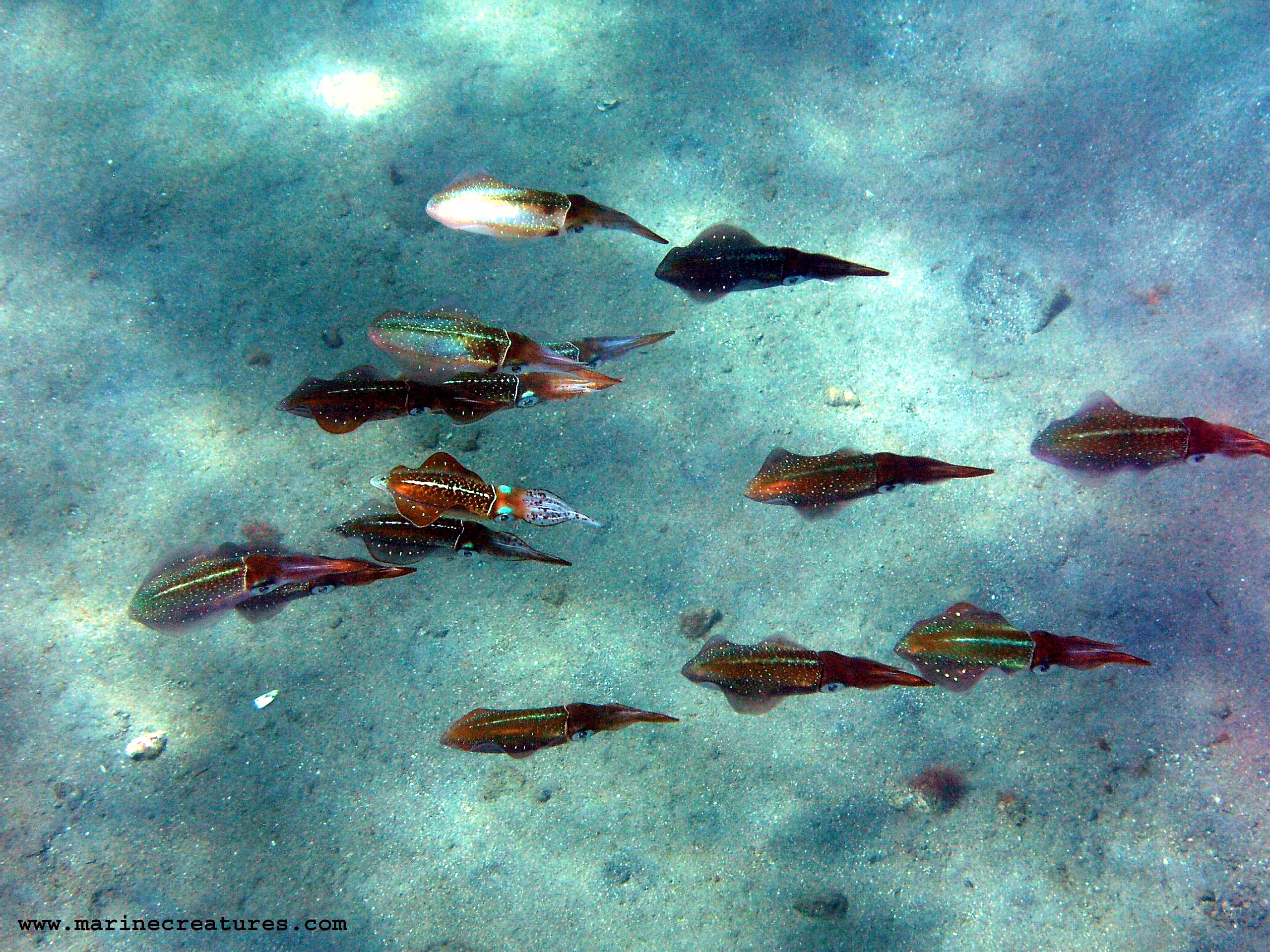
Photography has been an integral part of this fieldwork — documenting species, habitats, behaviours and field locations across more than 22 countries and hundreds of species.
Marine Ecology in Practice
Howth Harbour Seabin Initiative
Rowan initiated the installation of a Seabin in Howth Harbour — a practical, community-focused project to intercept plastic pollution before it reaches the wider marine environment.
Changing Oceans Deep-Sea Research
Rowan participated in the 2012 Changing Oceans expedition aboard the RRS James Cook, investigating potential CO₂ impacts on deep-sea marine organisms and ecosystems.
Offshore Marine Ecology
Rowan's professional experience includes ecological assessment and technical advisory work for offshore renewable energy and marine infrastructure projects, covering marine mammals, habitats, underwater noise and protected species.
From Marine Biology to Marine Ecology
Marine biology and marine ecology are closely related but distinct disciplines. Marine biology focuses primarily on marine organisms — their biology, physiology, behaviour and taxonomy. Marine ecology examines the relationships between organisms, habitats and the environmental processes that shape marine ecosystems.
In practice, the two disciplines overlap significantly. Understanding marine organisms requires understanding the ecosystems in which they live. Assessing the ecological effects of human activity requires both biological knowledge and ecological understanding.
Rowan's career encompasses both. His foundation in marine biology — built through undergraduate and postgraduate study and decades of field experience — underpins his professional marine ecology work. His ecological expertise has developed through applied professional experience in environmental assessment, offshore energy, marine mammals and marine plastics.
Professional Marine Ecology Experience
Rowan's professional marine ecology career has developed through roles at Ocean Science Consulting, Mott MacDonald and WSP.
During his time at Mott MacDonald, he held senior roles in marine ecology and environmental assessment, including the Marine Plastics Lead position. At Ocean Science Consulting, his work focused on marine ecological assessment and environmental science. At WSP, he has worked as a Technical Director in marine ecology.
This career trajectory reflects the breadth of professional marine ecology — from field-based ecological survey and research through to senior technical leadership in environmental assessment and offshore energy.
Marine Ecology Research & Publications
Rowan has contributed to scientific and technical publications covering marine ecology, environmental science, marine plastics and sustainability.
His published work includes research into coastal marine plastic pollution in Howth Harbour and other verified technical and scientific contributions to the field of marine environmental science.
Communicating Marine Ecology
Rowan has communicated marine ecology and marine science to professional and public audiences across TEDx, radio, media, conferences, public speaking and photography.
His TEDx talk, "Plastic pollution, oceans and civilisation", addressed the marine plastics crisis and its ecological implications for ocean health.
His broadcasting history on RTÉ Radio 1 spans more than two decades, covering marine ecology, sea turtles, conservation, plastic pollution and marine photography.
Independent Verification
MarineCreatures.com is Rowan Byrne's own professional and photographic archive. Important claims are supported wherever possible by independent organisations and publications.
Independent sources documenting aspects of Rowan Byrne's career and work include:
Flagship Fieldwork & Conservation Projects
 Dominica
Rosalie Sea Turtle Initiative
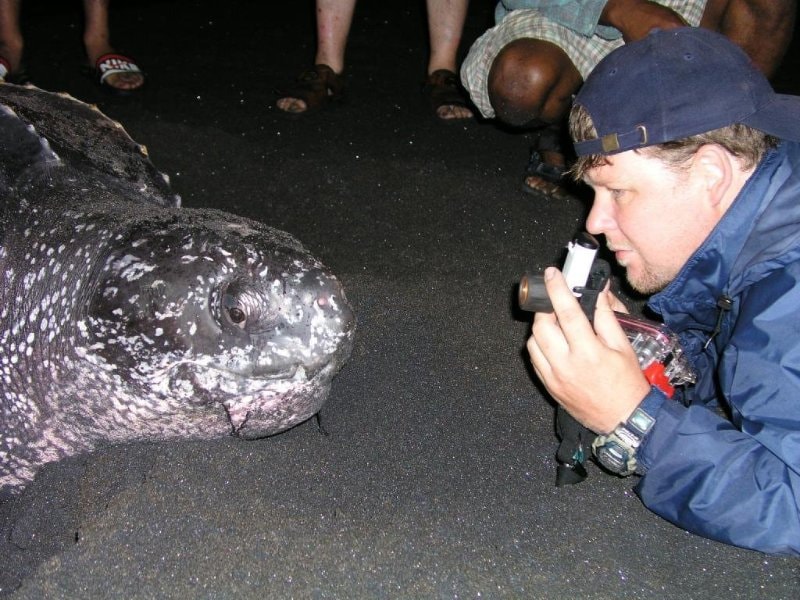
Rowan Byrne served as Project Manager for RoSTI — a leatherback sea turtle conservation project at Rosalie Bay, Dominica, independently documented by WIDECAST. The project combined nightly beach patrols, nest monitoring, hatchling protection, satellite tracking and community engagement.
 Ireland
Howth Seabin Initiative
Rowan Byrne initiated the installation of a Seabin in Howth Harbour to intercept plastic pollution before it reaches the open sea. Independently reported by TheJournal.ie, RTÉ and the Irish Independent as a project started by Rowan Byrne, a marine biologist.
MarineCreatures.com — documenting marine life, science, conservation and the people working to understand and protect our oceans.