
First-hand field story · East Falkland · 2008
The Penguins of Bertha’s Beach
A Marine Ecologist’s Journey to the Falkland Islands
I travelled to the Falkland Islands for environmental contingency work. The memory that stayed with me most clearly was walking alone along a freezing South Atlantic beach and becoming, briefly, a respectful visitor in a Gentoo penguin colony.
- Field period
- Late 2008
- Location
- East Falkland, Falkland Islands
- Role
- Senior environmental consultant
- Photography
- Rowan Byrne / Marine Creatures
Professional context
Why I went south
In late 2008 I was working for Briggs Environmental Services in Fife, Scotland, as a senior environmental consultant in the oil and gas sector. I was asked whether I wanted to travel to Mount Pleasant Complex on East Falkland to support environmental and oil-spill contingency planning associated with ship-to-shore fuel transfer and strategic assets.
I was working with and in support of the UK Ministry of Defence, not as a member of the military. The Falkland Islands are a British Overseas Territory in the South Atlantic, off the coast of Argentina; sovereignty is disputed by Argentina. That political context formed the backdrop to an unusual professional assignment, rather than the subject of my visit.
A long way from home
Via Ascension to Mount Pleasant
The journey itself felt unlike any ordinary consultancy trip. I travelled south via Ascension Island on a Royal Air Force flight, and still remember the unusual sight of instructions about firearms being secured in the aircraft hold rather than carried in the passenger cabin.
Arriving at Mount Pleasant brought the scale of the military environment into focus. Its long internal corridor system was known as the “Death Star”, connecting accommodation, messes and welfare spaces: a gym, swimming pool, cinema, shops, bowling alley and more. It was an extraordinary enclosed world set against a vast, cold and open island landscape.
Contingency planning
The work behind the journey
The assignment involved environmental contingency planning for ship-to-shore fuel transfer operations and strategic environmental response arrangements supporting the base. During my stay I received regular briefings about the contemporary operational environment and the wider strategic picture. They were a reminder that this was a politically significant place, but I had no access to classified intelligence and will not pretend otherwise.
What I could bring to the work was an environmental perspective: how a release might meet a coastline, where vulnerable habitats lay, and why planning has to take account of the whole connected system from sea to shore.
From the air
Seeing the coastline by helicopter
Part of the work gave me the opportunity to travel around sections of the islands by military helicopter, assessing coastal areas relevant to contingency planning. From above, the South Atlantic landscape made immediate ecological sense: dark kelp beds in clear water, white beaches, open grassland, dunes, wetlands and a coastline that seemed to go on forever.
As a marine ecologist, I was struck by how little separation there was between land and sea. Kelp, shore, dune, wetland and birdlife were not individual subjects on a map; they were one living coastal system.
East Falkland
Bertha’s Beach
Bertha’s Beach is a coastal and wetland environment on East Falkland, known for its beach, dunes and wildlife. In 2008, it became the place I remember most vividly from the entire assignment.
The wider area is associated with Gentoo and Magellanic penguins, Falkland steamer ducks, geese, terns, dolphins, sea lions, kelp and other coastal life. That is useful context, but not a checklist of animals I personally recorded. My own story is about the Gentoo penguins I encountered on the beach that day.
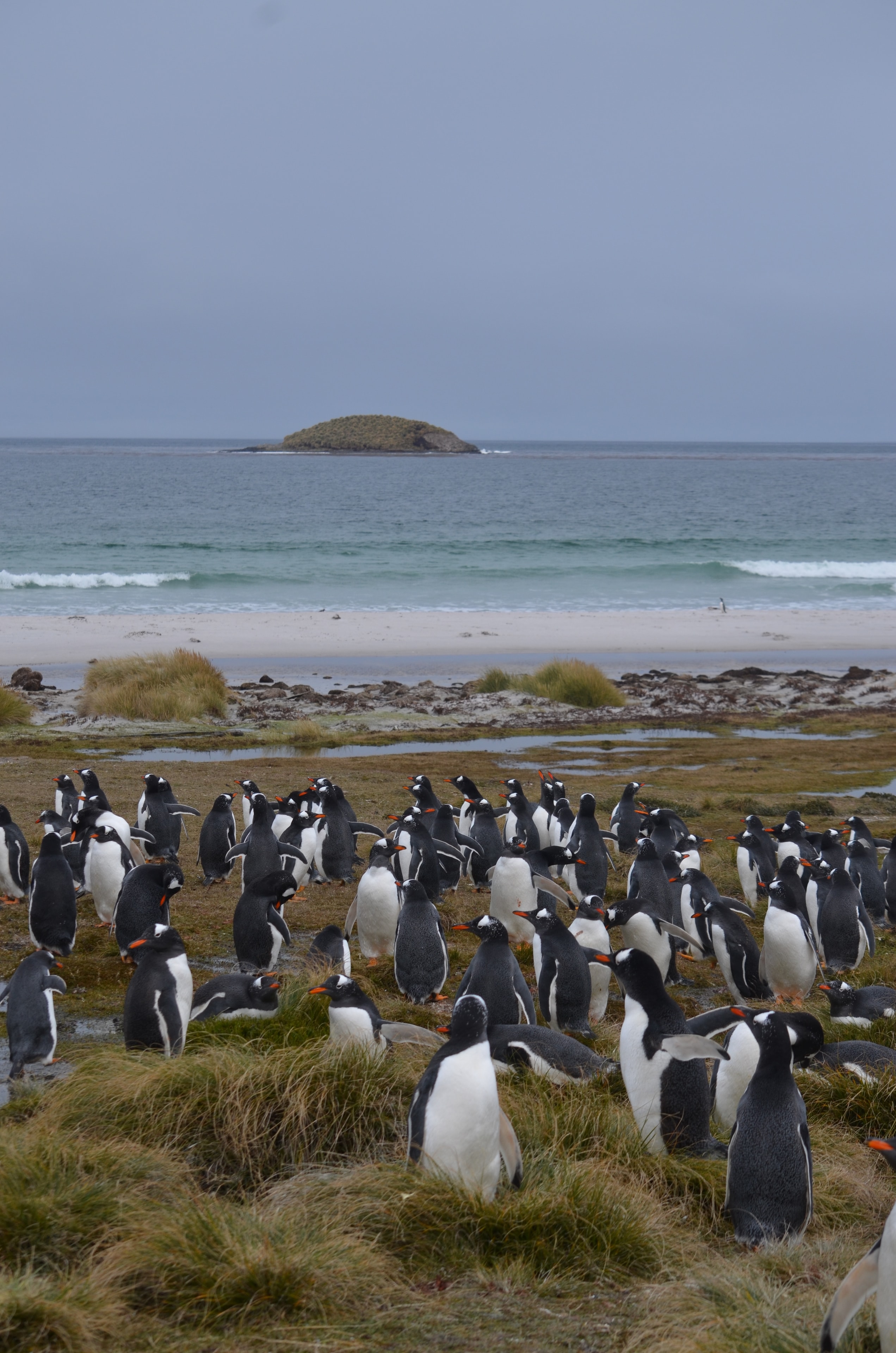
The colony on the shoreline
A Gentoo penguin colony beside the shoreline at Bertha’s Beach, photographed by Rowan Byrne in 2008.
Photography: Rowan Byrne / Marine Creatures · 2008
A cold, solitary walk
Walking towards the colony
I set out alone towards the Gentoo colony, wearing a complete survival suit because the conditions were brutally cold. I had told people where I was going and when I expected to return. The walk was roughly 3.5 to 4 kilometres along the beach, with the wind coming hard off the South Atlantic.
One sight has stayed with me: shallow pools left by the tide where seawater had frozen. Saltwater freezes at a lower temperature than freshwater, which made it all the more striking to see. I had never experienced anything quite like it.
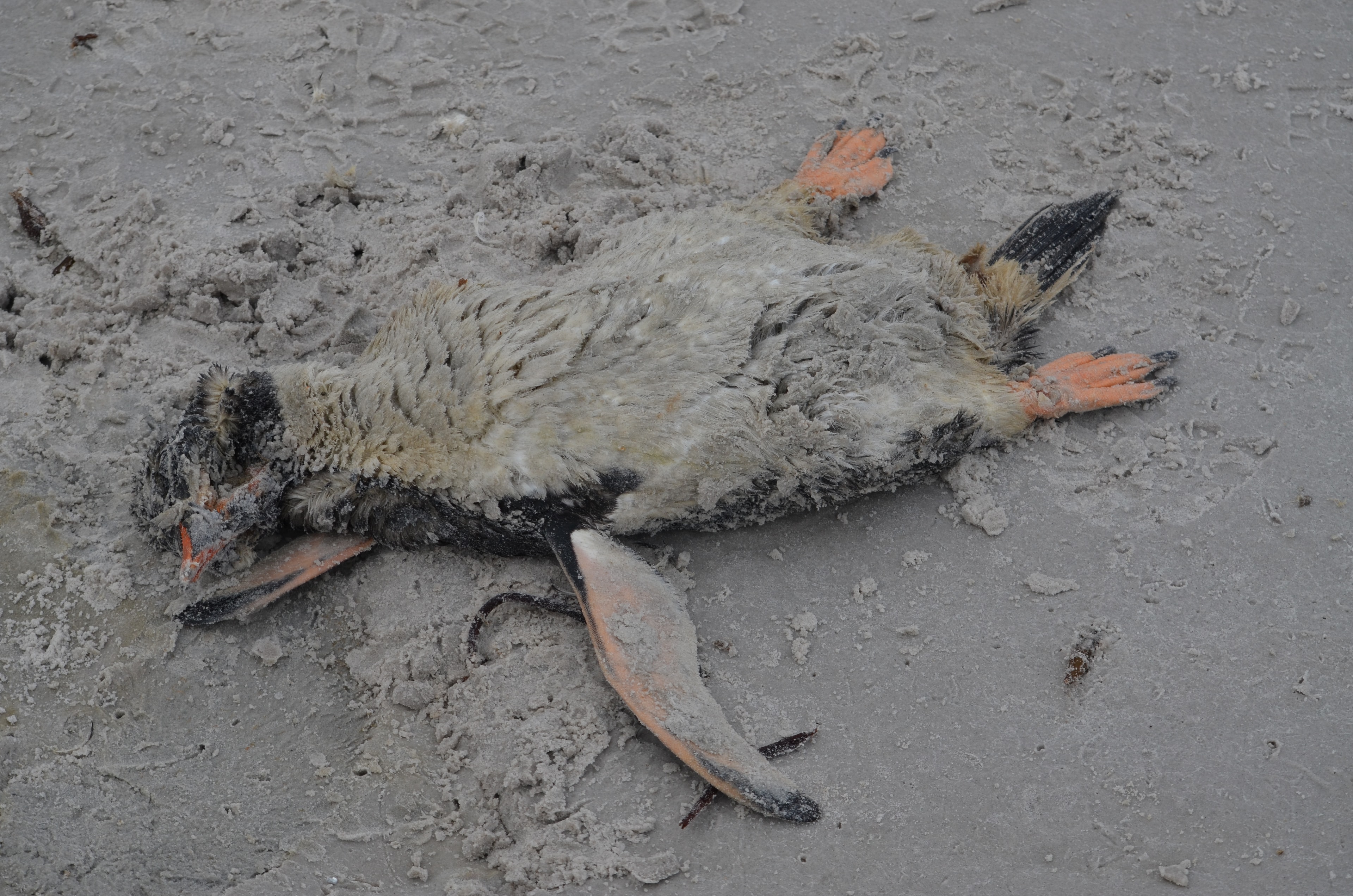
Frozen shoreline
A close record of the cold conditions along Bertha’s Beach in 2008.
Photography: Rowan Byrne / Marine Creatures · 2008
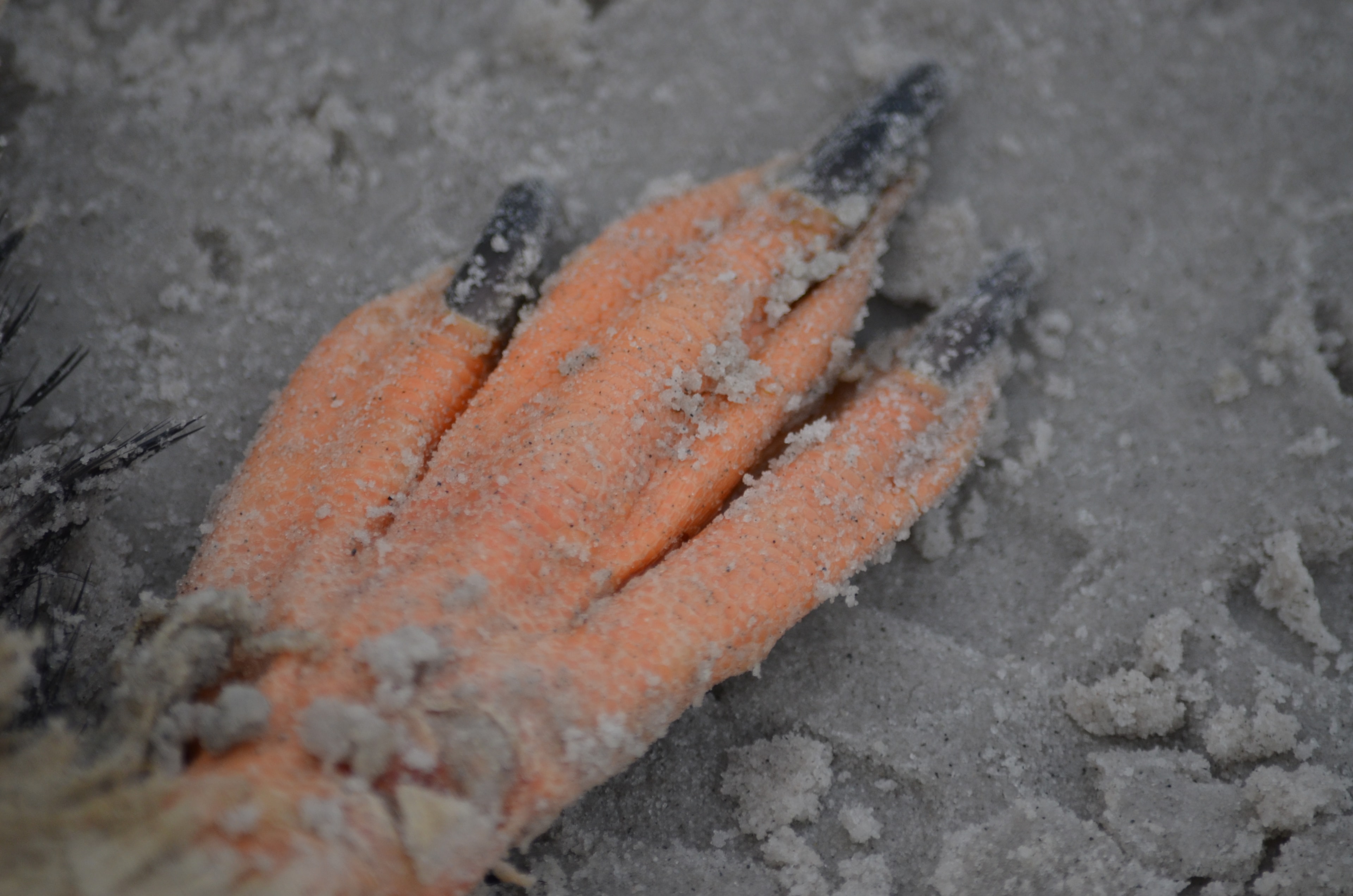
A detail of the cold
A ground-level detail from the frozen edge of the beach.
Photography: Rowan Byrne / Marine Creatures · 2008
An ecological edge
Kelp, tide marks and what I missed
The strandline was full of kelp and large brown seaweeds, alongside the material deposited by the tide. I also noticed marine debris and plastics. I will not exaggerate what was there, but looking back now, after much broader work on marine plastics, I wish I had documented those observations far more carefully.
Experience changes the questions you ask of a place. What I noticed as part of a beach walk in 2008 would now make me pause, photograph, map and examine the same boundary between sea and land much more systematically.
At the surf line
The first penguins
Then I began to see Gentoo penguins in the distance. Some were swimming in the surf, coming ashore and then returning to the water. As I walked, a few seemed to swim ahead and reappear further along the beach. It felt as though they were keeping an eye on me.
When some birds ran ahead along the shore, my unscientific interpretation was simple: “Quick — Rowan’s coming. Let’s leg it.” It was, of course, my own joke about what I was seeing, not a claim about penguin conversation.
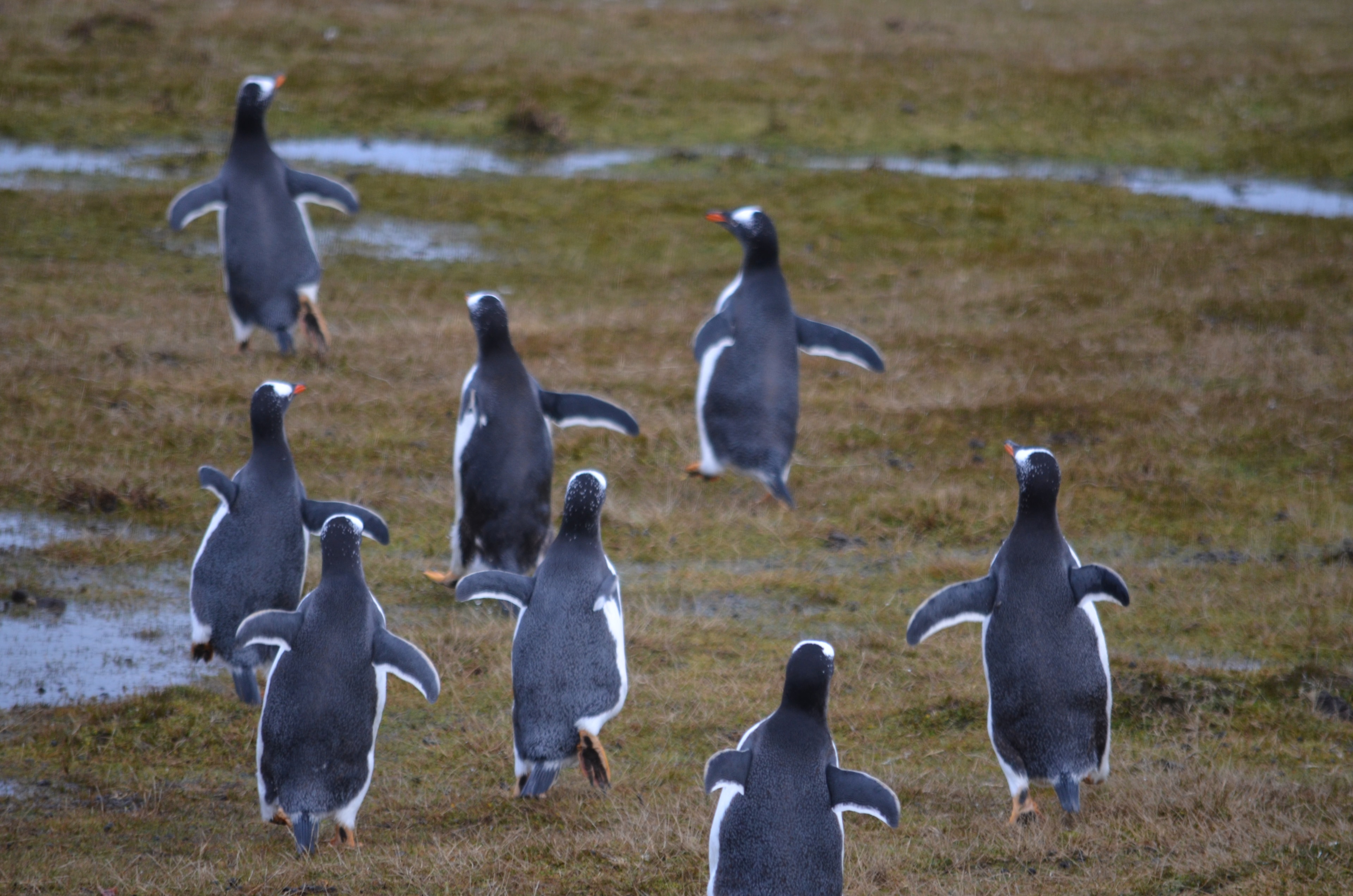
Moving along the shore
Gentoo penguins moving through the beachside grass at Bertha’s Beach, photographed by Rowan Byrne in 2008.
Photography: Rowan Byrne / Marine Creatures · 2008
The moment I remember
Arriving among the Gentoos
Eventually I reached the colony: grass and dunes alive with movement, calls, nesting birds, birds coming and going from the sea, feathers, tracks, white uric-acid staining, smell and noise. My impression at the time was that there were several thousand birds, perhaps around 4,000 to 5,000. That was a personal visual impression, not a scientific population count.
I was essentially a large Irish environmental consultant arriving unexpectedly at a Gentoo penguin colony. Some birds initially appeared unsettled, so I sat quietly at a respectful distance and waited for them to become accustomed to my presence.
A respectful visitor
Sitting quietly in their world
I sat and lay quietly in the grass and dunes in my survival suit, watching the colony get on with its business. The suit and my clothes became covered in penguin droppings. My hands were freezing, my fingers were painfully cold and working the camera became difficult. I did not care in the slightest.
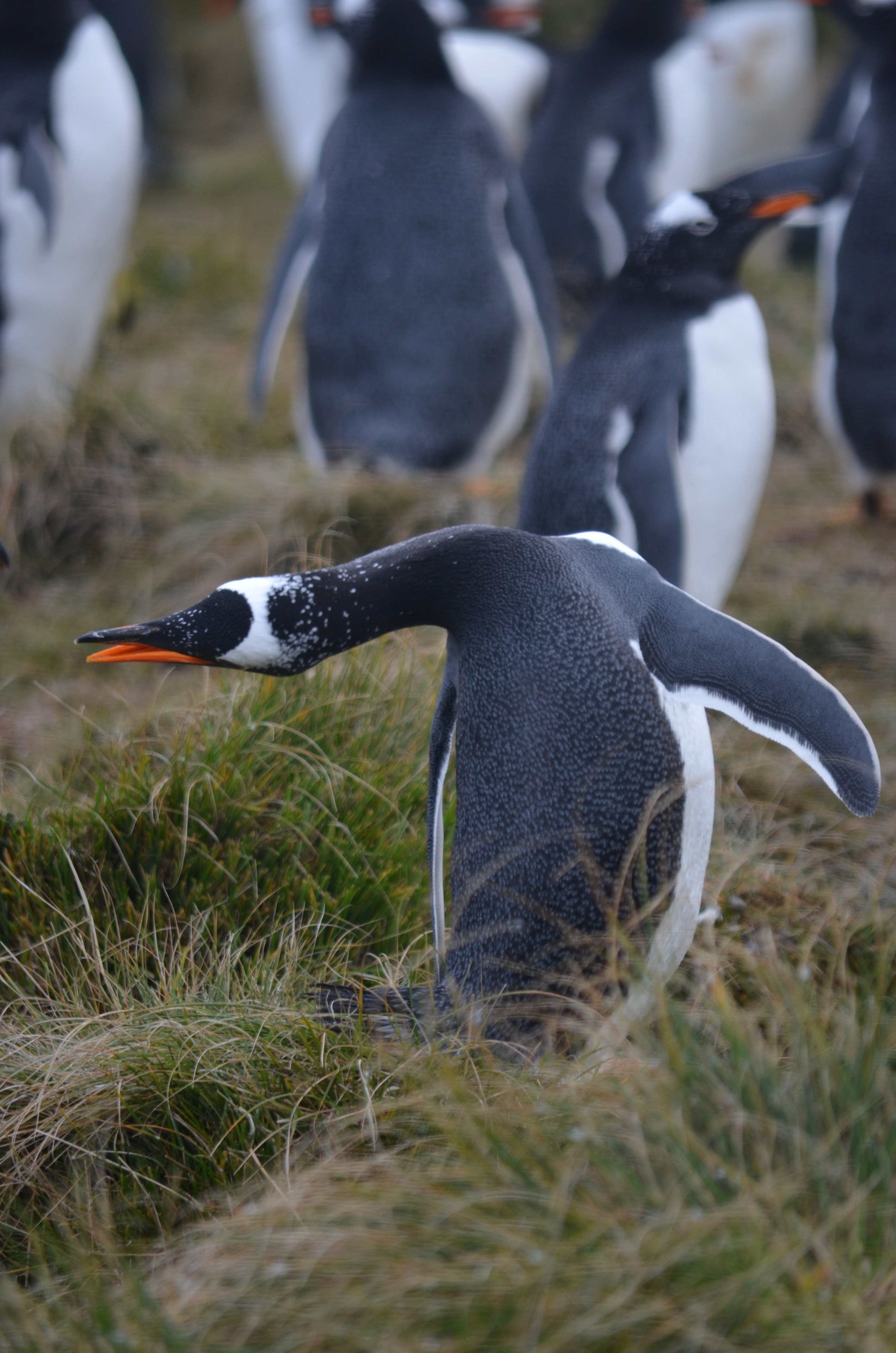
I was completely absorbed: calling birds, nesting birds, social interactions, movement between colony and sea, birds watching me and others moving away. From where I was standing, two penguins looked almost as though they were holding flippers as they faced the sea. It was one of those small photographic moments that never leaves you.
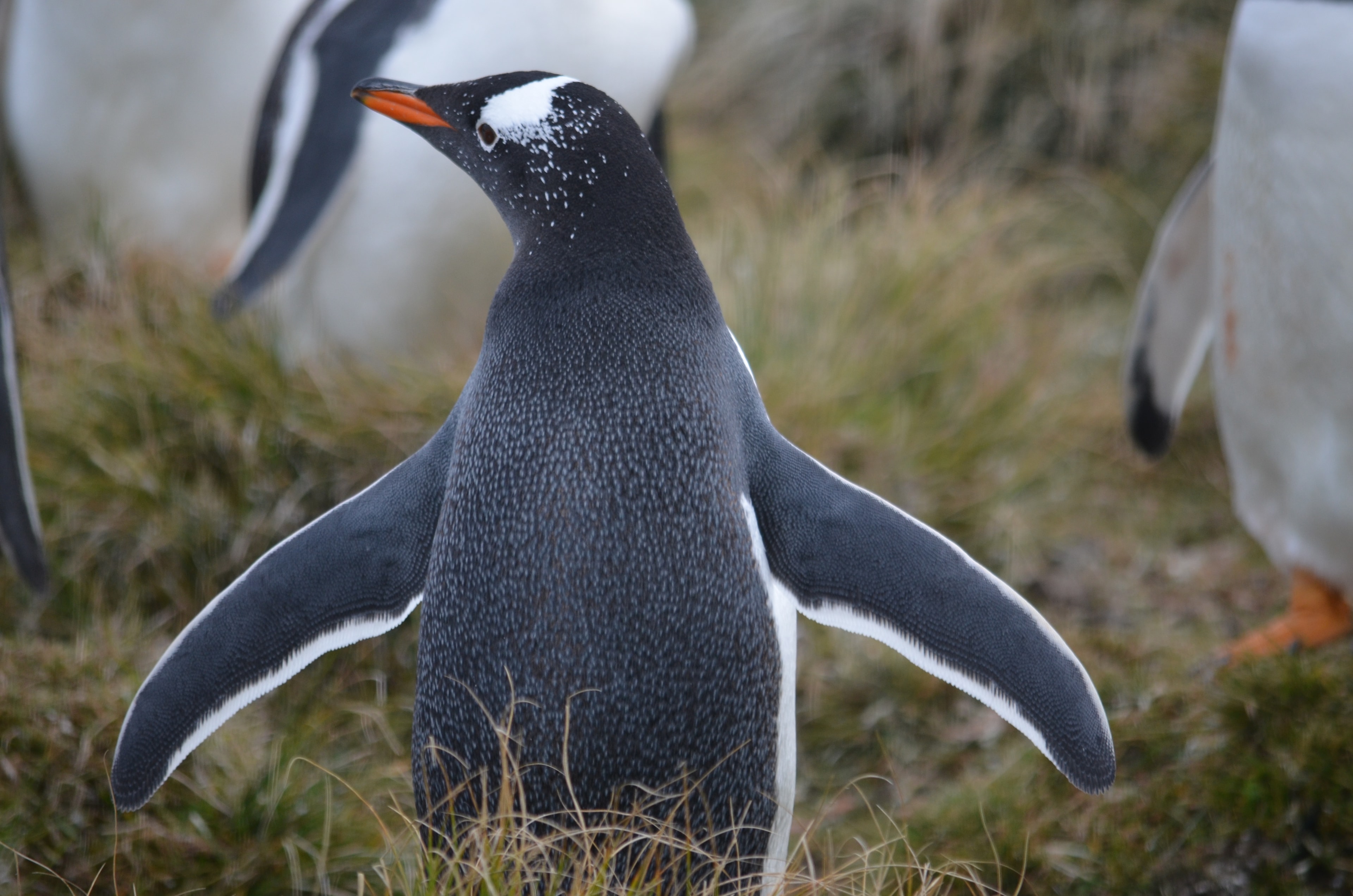
Close observation
A close observation of a Gentoo penguin at Bertha’s Beach, photographed by Rowan Byrne in 2008.
Photography: Rowan Byrne / Marine Creatures · 2008
More than a colony
The wider ecological story
Bertha’s Beach was much more than a penguin colony. The South Atlantic fed the kelp; kelp and tide created the strandline; the beach met dunes and wetlands; those habitats supported birds, penguins and marine mammals; and people arrived with their own histories, work and responsibilities. That connectedness is what marine ecology teaches you to see.
The work had brought me to a military setting and to oil-spill contingency planning. The wildlife gave the journey its lasting meaning.
Looking back
The long walk back
The return walk took me back along the frozen pools, kelp, dunes and open shore, survival suit still on and hands still cold. I remember the isolation and the wind more than any single detail, and how fortunate I felt to have been given such a private encounter.
I had travelled thousands of miles from home for work. Yet the experience that stayed with me was simply being a visitor in the penguins’ world: white sand, freezing wind, the South Atlantic, kelp on the strandline, the noise of the colony and thousands of Gentoo penguins going about their lives. You can plan an assignment, a survey and the logistics. You cannot plan the moment when a wild landscape stops being something you are studying and becomes something you are simply experiencing. Bertha’s Beach was one of those moments for me.
Original photography · 2008
Bertha’s Beach — Falkland Islands 2008
All photographs in this field record were taken by Rowan Byrne during the 2008 visit and are presented as a first-hand visual archive.
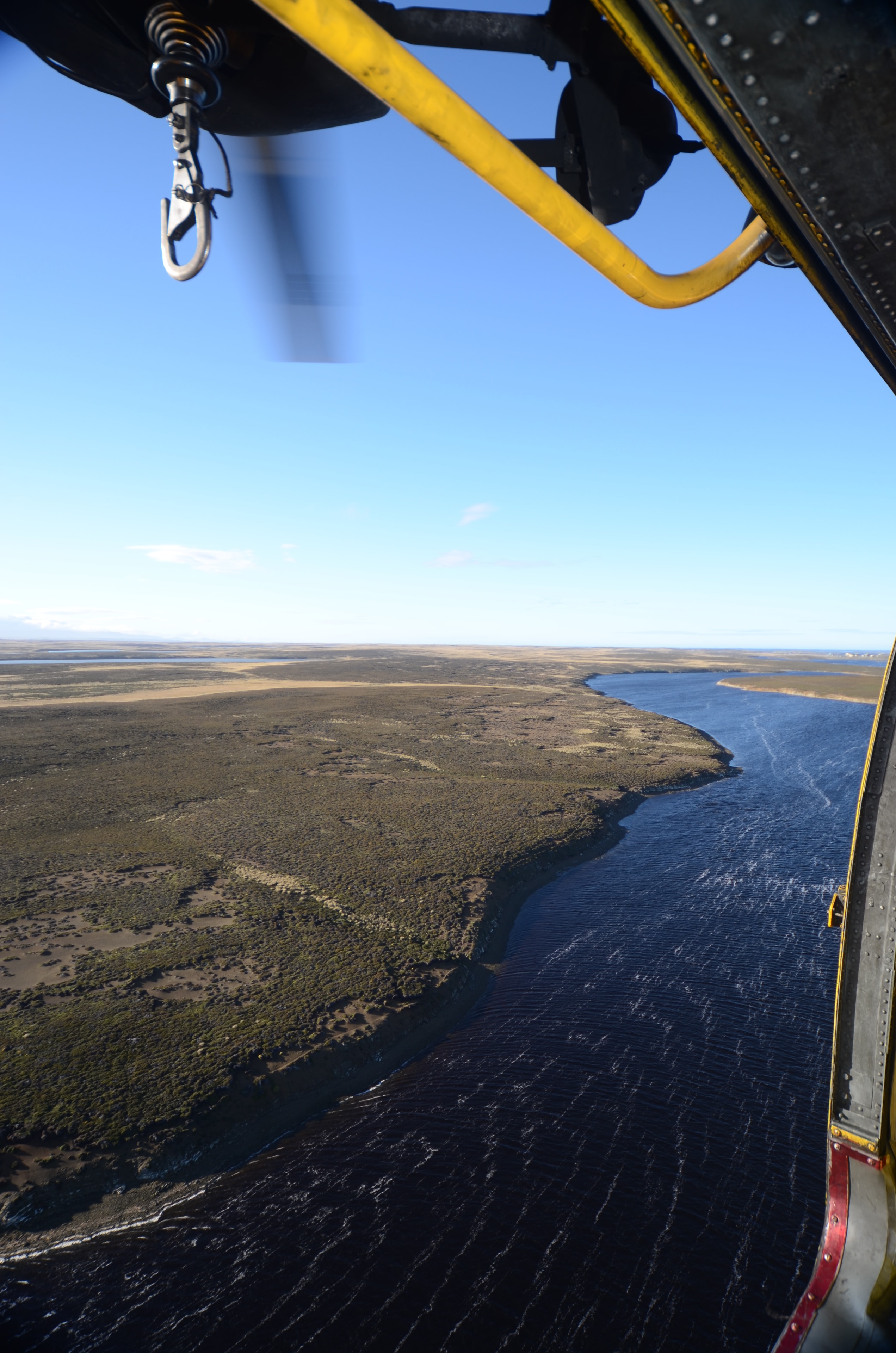
Coastline from the helicopter
A first-hand aerial view during environmental contingency planning work in the Falklands, 2008.
Photography: Rowan Byrne / Marine Creatures · 2008
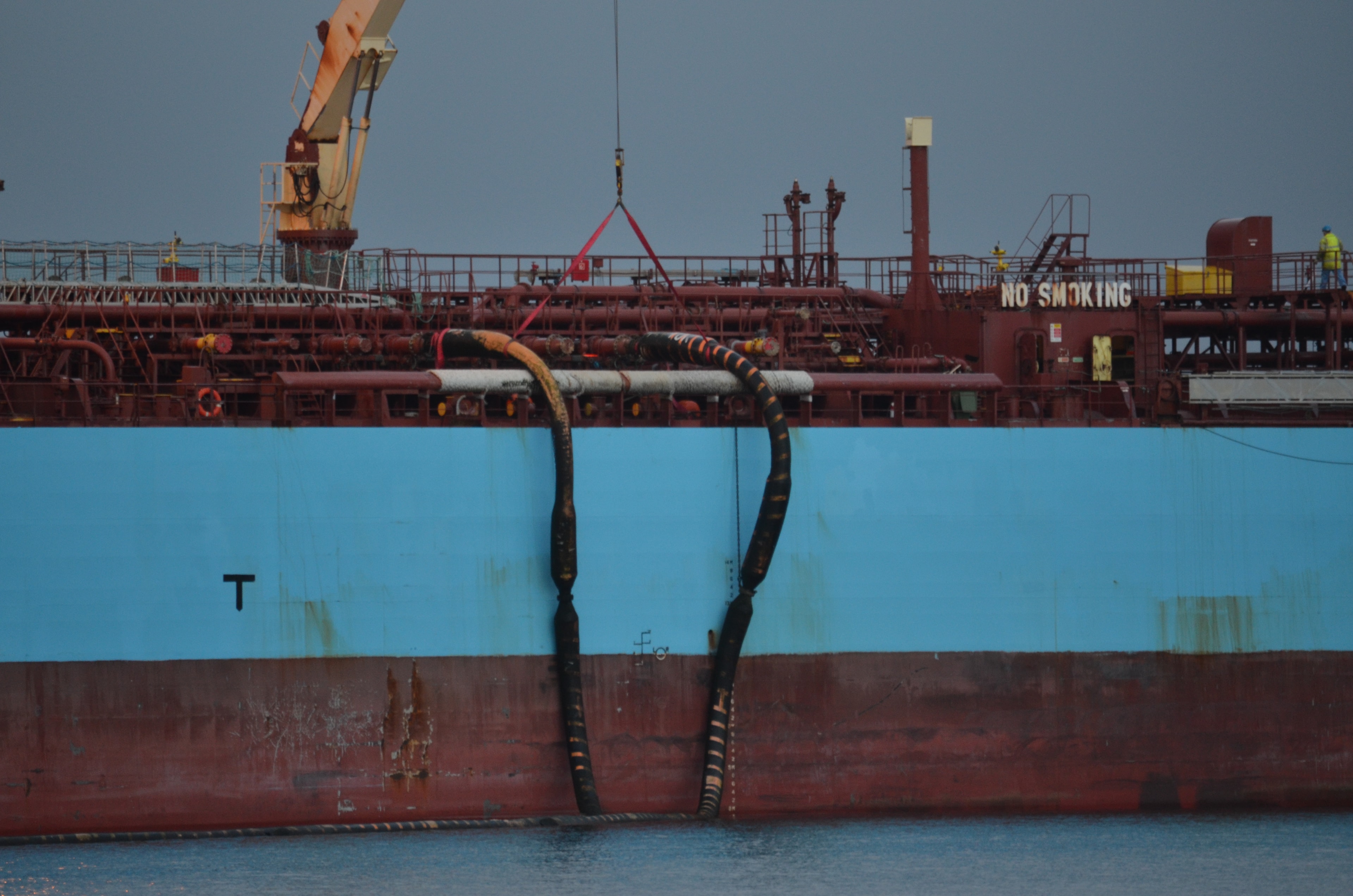
Ship-to-shore fuel transfer
The operational context for environmental and oil-spill contingency planning.
Photography: Rowan Byrne / Marine Creatures · 2008
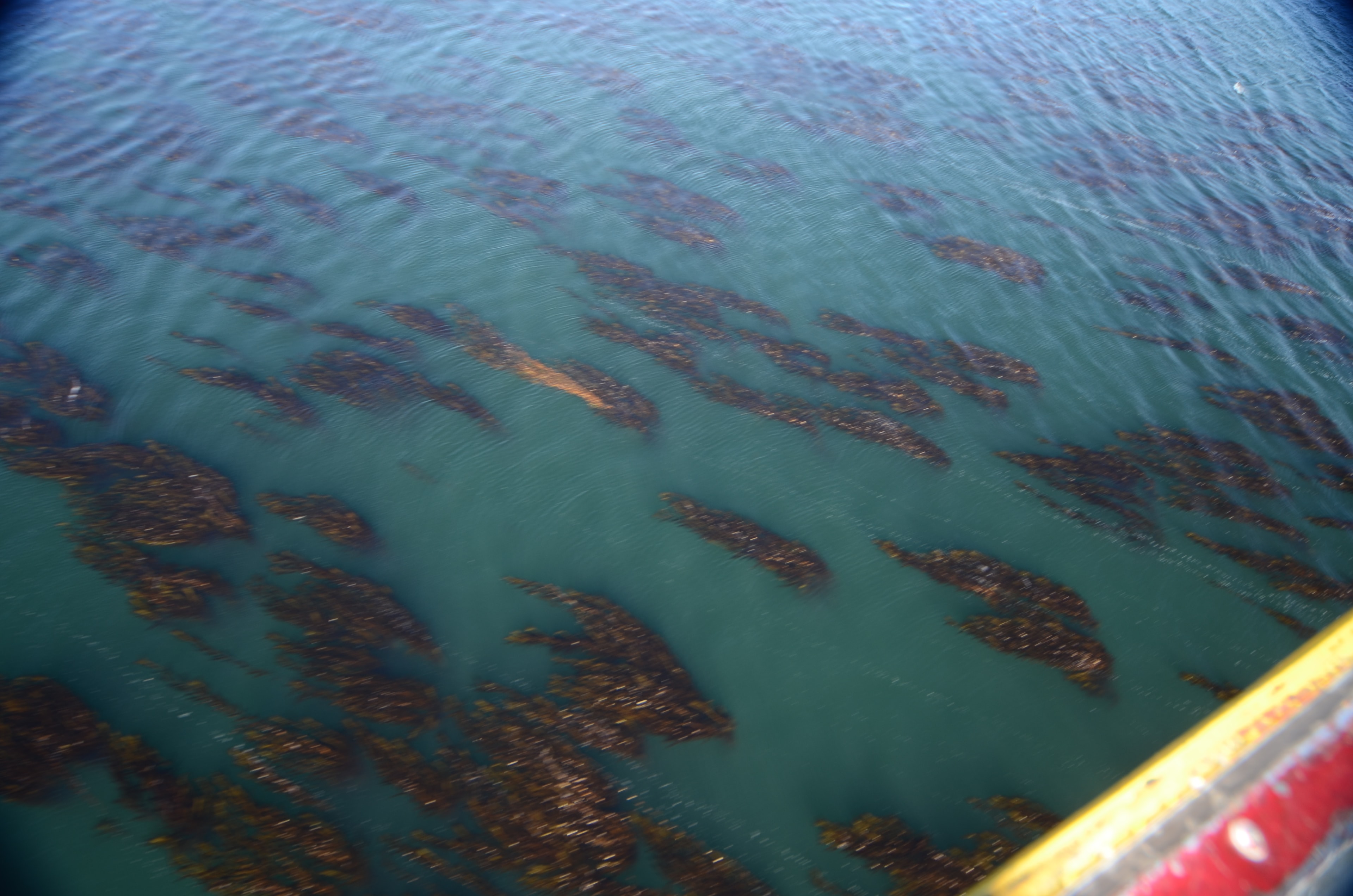
Kelp beds from above
The aerial view made the connection between sea, shore and coastal habitat impossible to miss.
Photography: Rowan Byrne / Marine Creatures · 2008
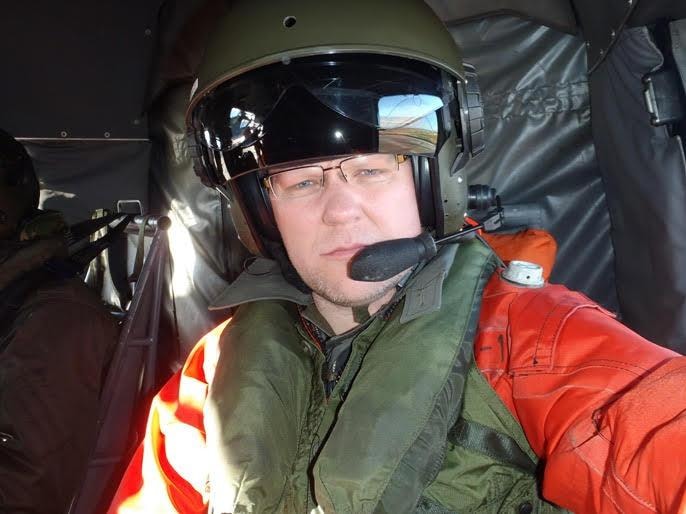
Fieldwork from the air
Rowan Byrne during the Falklands environmental survey work, 2008.
Photography: Rowan Byrne / Marine Creatures · 2008
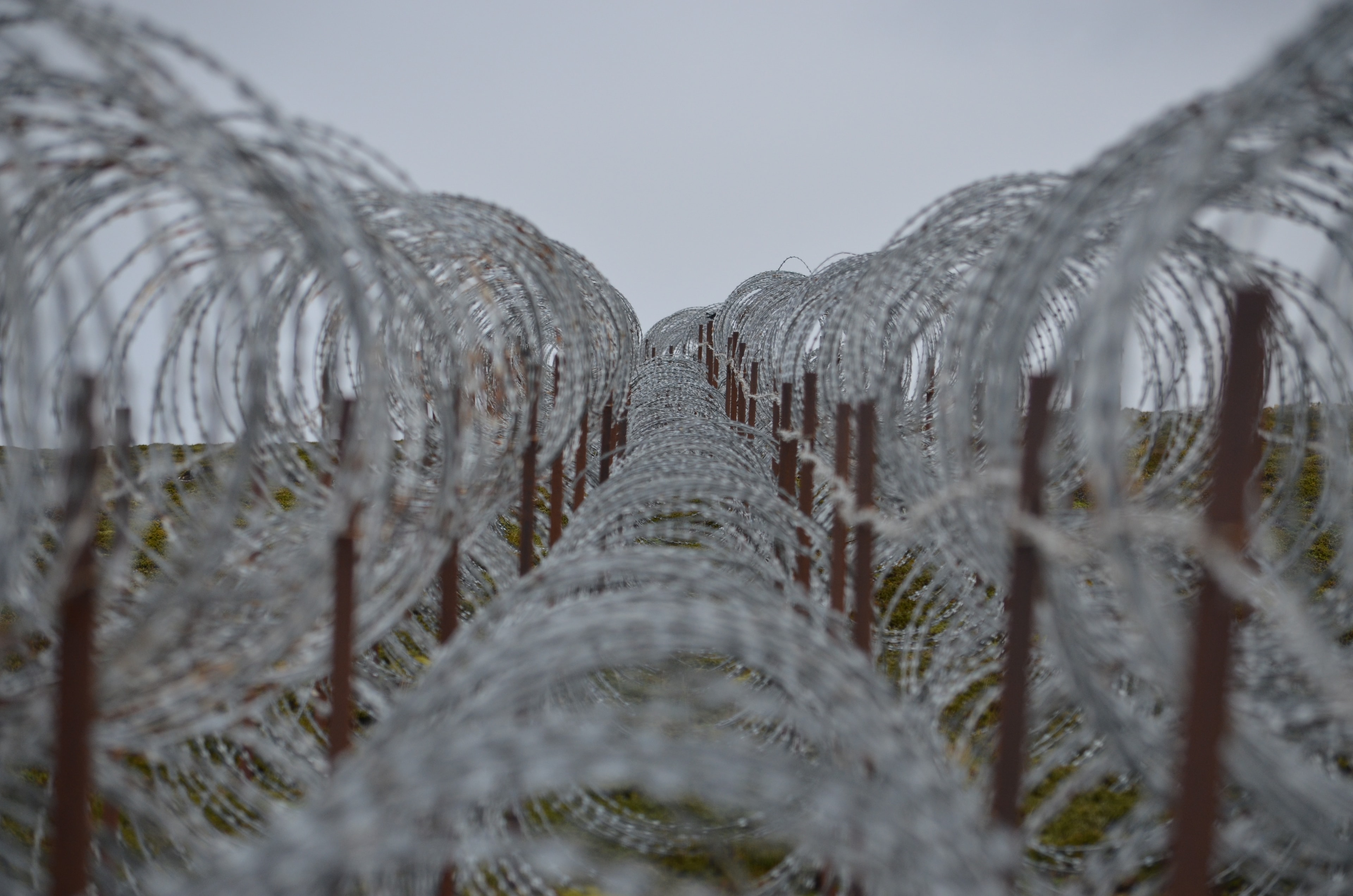
Mount Pleasant context
The military setting explained why the journey to the islands was so unusual.
Photography: Rowan Byrne / Marine Creatures · 2008
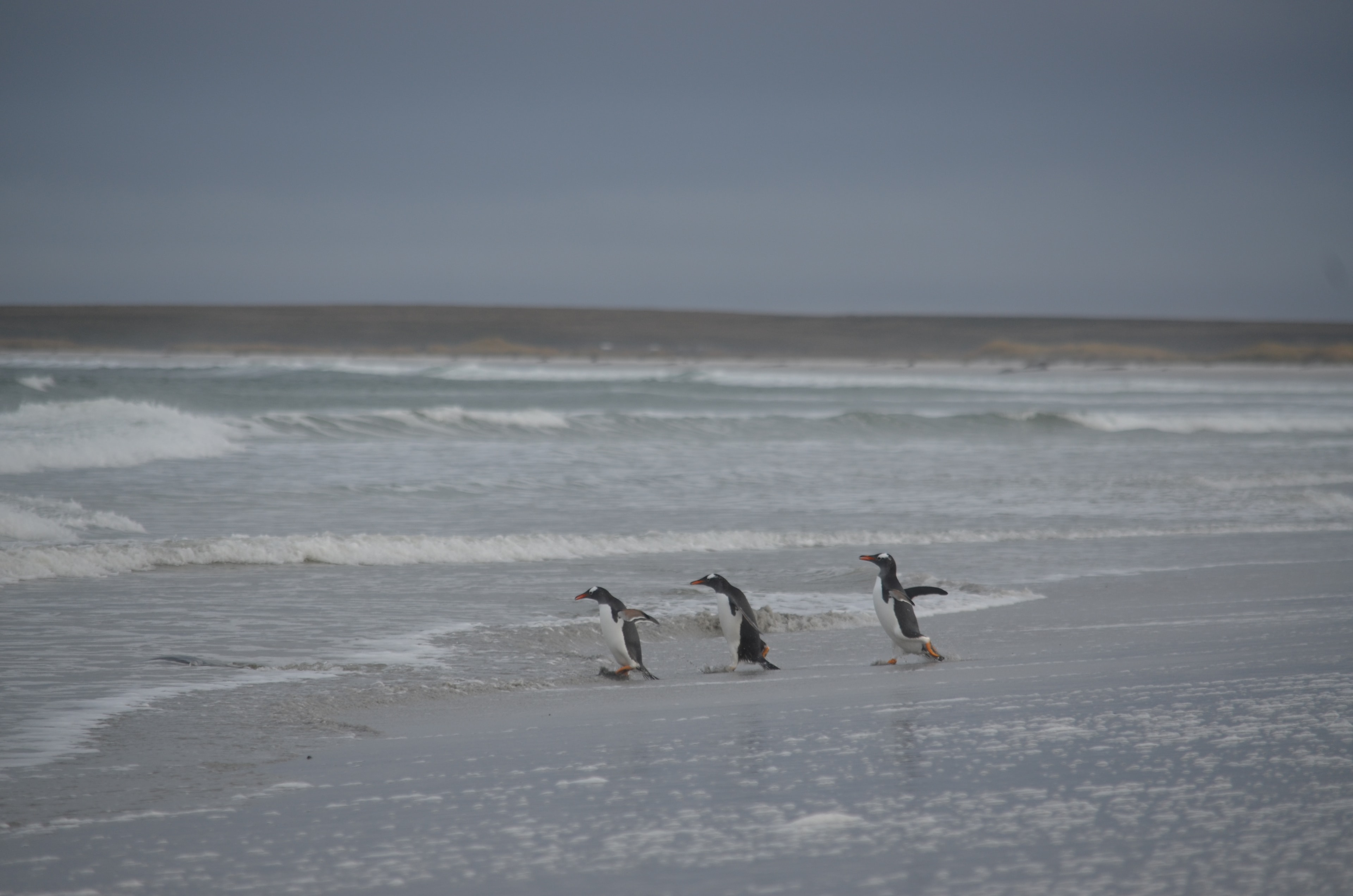
Back to the sea
Gentoo penguins on the move at Bertha’s Beach — the scene behind Rowan’s “Let’s leg it” joke.
Photography: Rowan Byrne / Marine Creatures · 2008
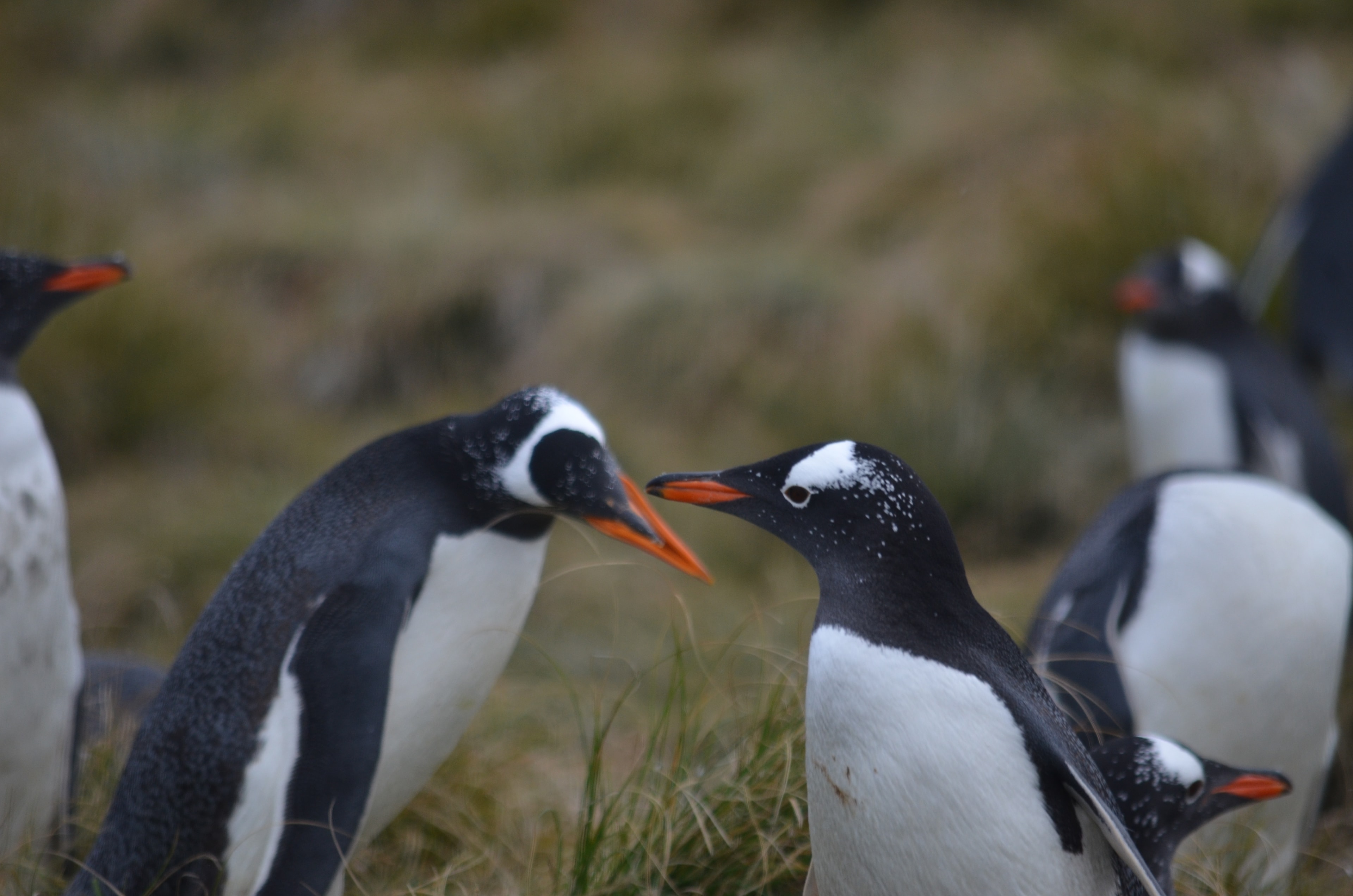
First penguins
The first Gentoo penguins encountered along the freezing beach walk.
Photography: Rowan Byrne / Marine Creatures · 2008
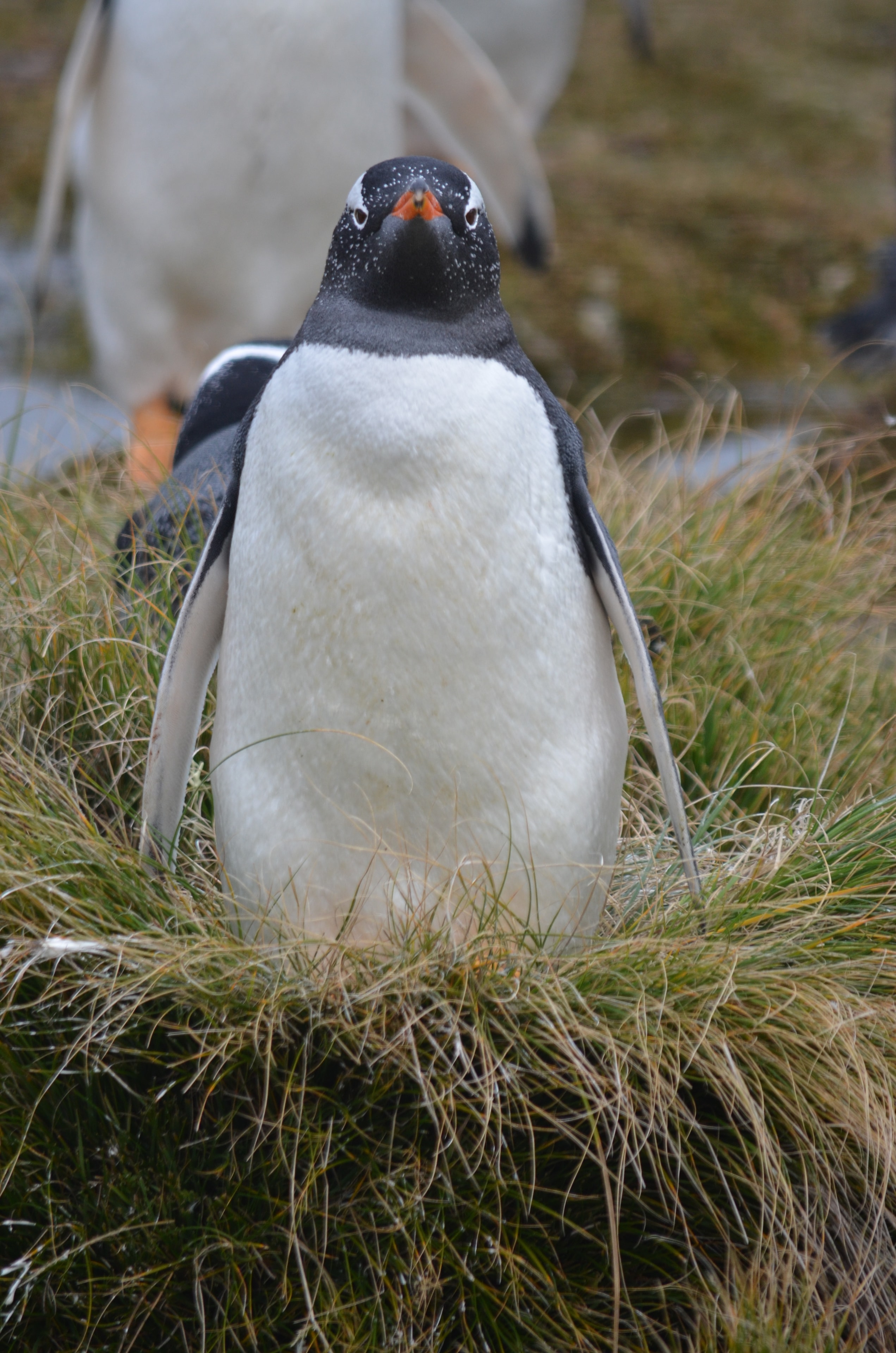
The colony
A colony in constant motion between grass, dunes and sea.
Photography: Rowan Byrne / Marine Creatures · 2008
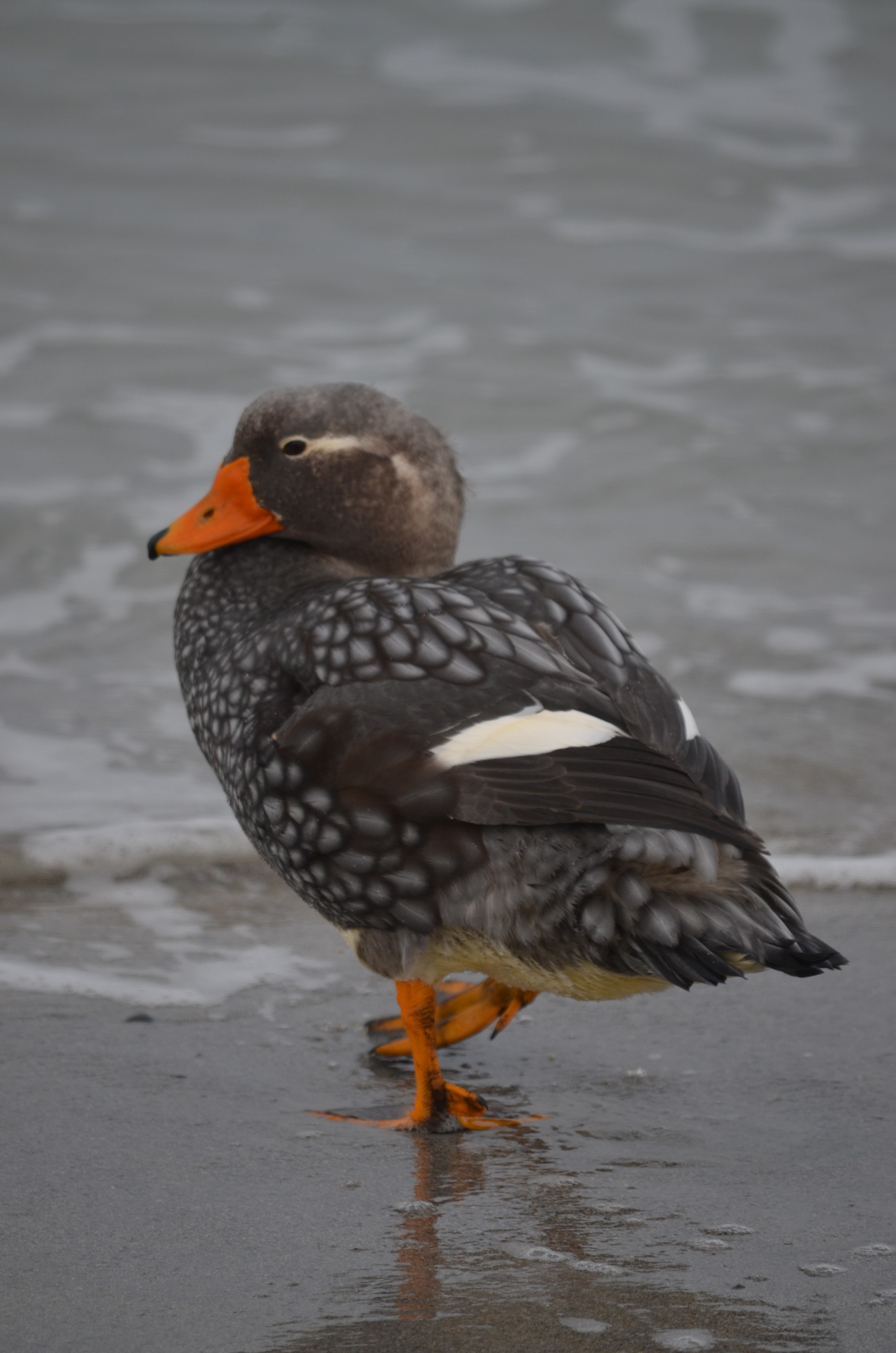
Coastal waterfowl
A separate field observation from the Bertha’s Beach coastal environment.
Photography: Rowan Byrne / Marine Creatures · 2008
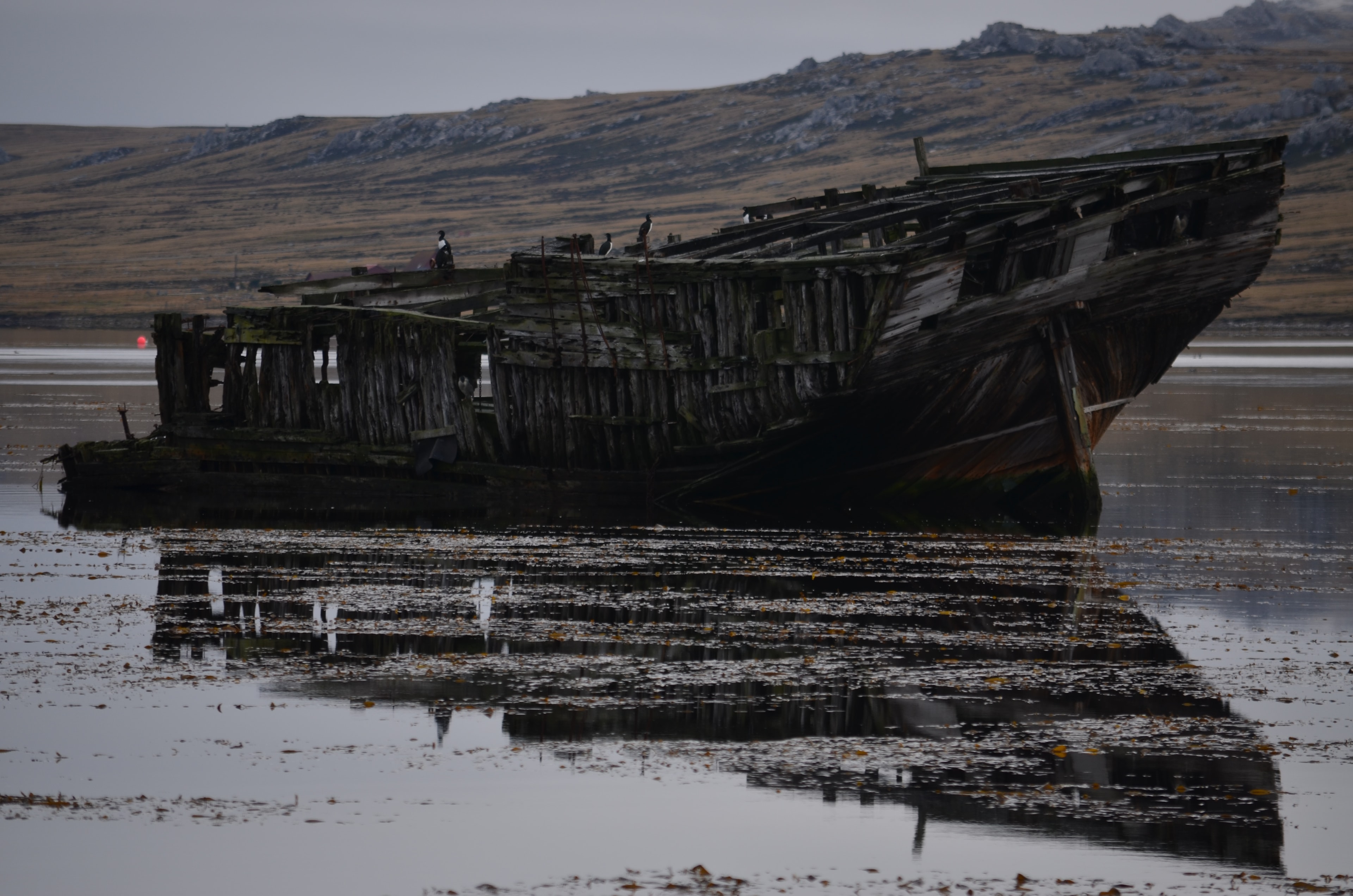
Port Stanley shipwreck
A weathered maritime landmark at Port Stanley, photographed during the 2008 visit.
Photography: Rowan Byrne / Marine Creatures · 2008
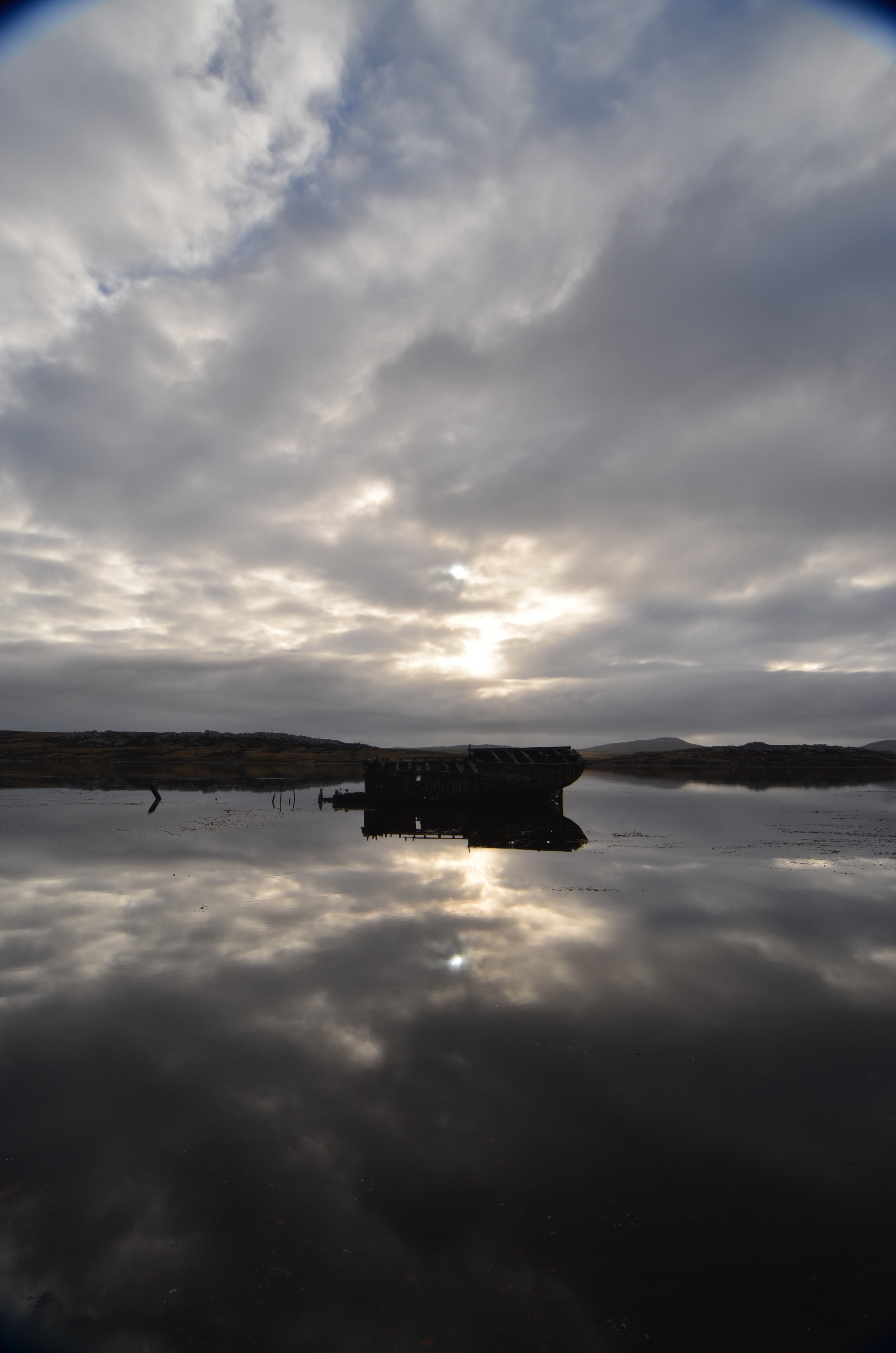
Tidal reflections at Port Stanley
The old wreck and tide provided a quieter record of the islands’ maritime setting.
Photography: Rowan Byrne / Marine Creatures · 2008
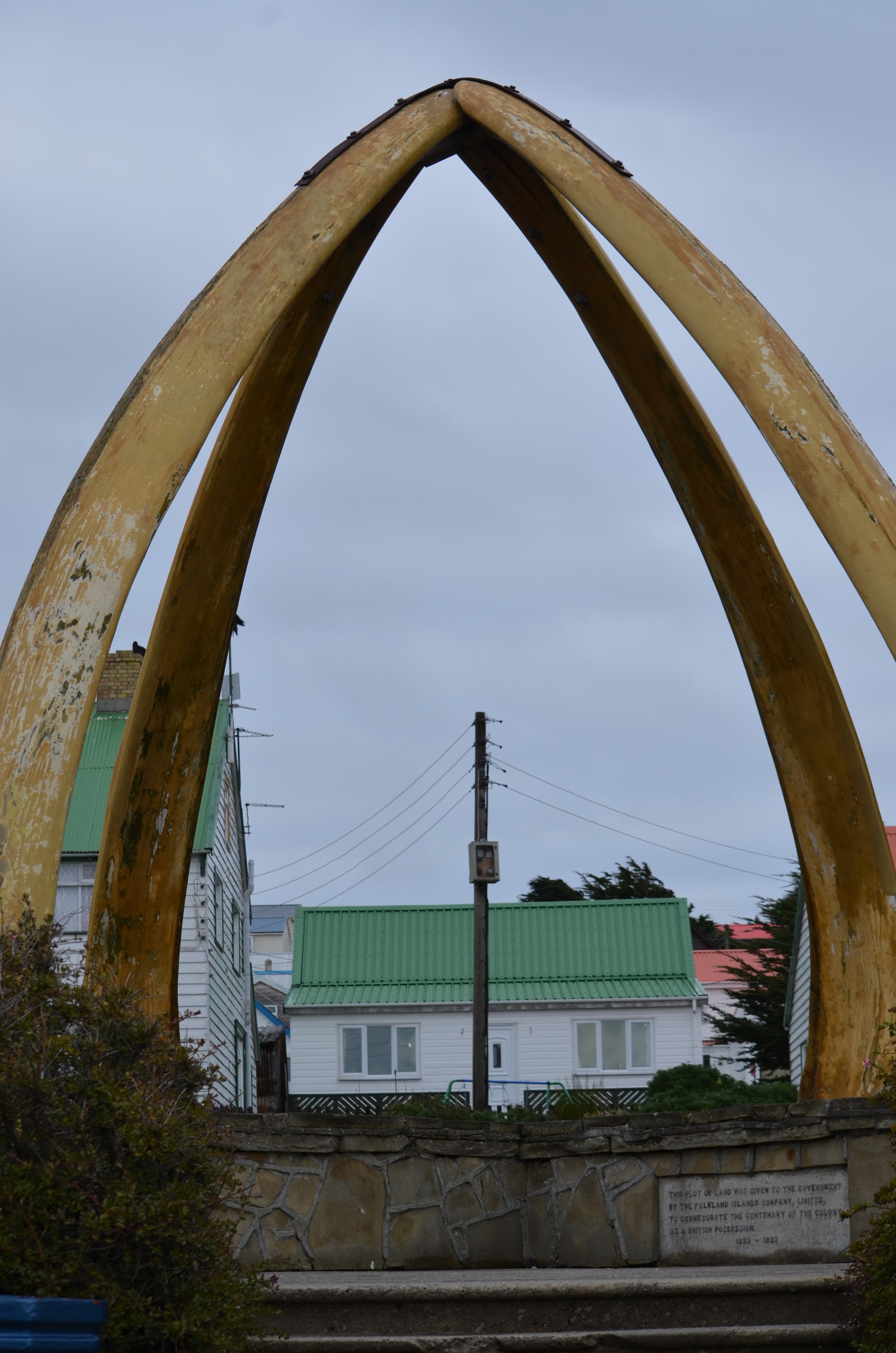
Port Stanley whalebone display
A historic whalebone display photographed in Port Stanley during the 2008 visit.
Photography: Rowan Byrne / Marine Creatures · 2008
Continue exploring