What species exist?
Taxonomy
The World Register of Marine Species provides authoritative marine names and classification. MarineCreatures does not replace that foundation; it adds human and ecological context around documented encounters.

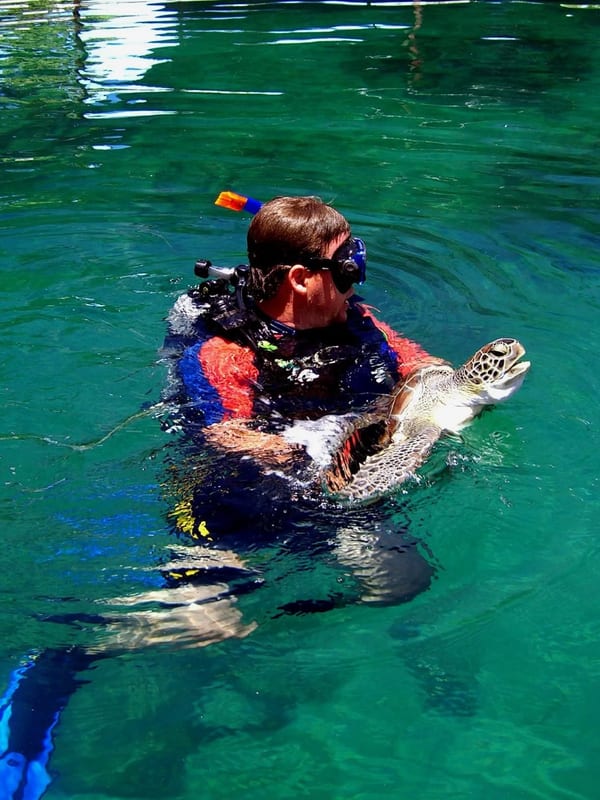
A flagship editorial resource
Science. Species. Conservation. Experience.
The ocean is understood through many lenses: research, taxonomy, conservation assessment, global campaigns, photography, fieldwork and lived experience. MarineCreatures connects those perspectives through a personal archive built from more than 30 years around the marine environment.
Editorial perspective
No single organisation, database, scientist, photographer or website can tell the whole story of the ocean. Marine knowledge becomes stronger when authoritative science, conservation work and clearly attributed field experience are viewed together.
What species exist?
The World Register of Marine Species provides authoritative marine names and classification. MarineCreatures does not replace that foundation; it adds human and ecological context around documented encounters.
What do we know about the ocean?
Institutions, universities, laboratories and peer-reviewed research provide the scientific infrastructure for understanding marine systems. MarineCreatures translates part of that world into a visual, accessible and field-based perspective.
What is happening to species and ecosystems?
Authoritative assessments such as the IUCN Red List provide conservation status. MarineCreatures places these questions in documented field, photographic and historical context without independently determining status.
What is being done?
Campaign organisations, governments and local initiatives act at different scales. MarineCreatures adds first-hand stories, conservation documentation and original imagery as complementary perspectives.
Rowan Byrne editorial statement
“Science tells us what we know. Experience helps us understand what that knowledge looks like in the real world.”
Databases can record classification, distribution, threats and conservation status. Institutions can show what has been measured. First-hand field experience adds another form of evidence: encounters, conditions, observations, places and changes witnessed over time. It is not a replacement for science; it is human context, clearly attributed to Rowan Byrne’s editorial record.
MarineCreatures archive
MarineCreatures is being developed as a longitudinal personal archive of marine biology, ecology, conservation, photography, fieldwork and environmental consultancy. Its value is chronological: repeated encounters with marine environments across more than 20 countries, rather than one expedition or one dataset.
Different sources of marine knowledge
| Source | Primary strength | MarineCreatures adds |
|---|---|---|
| World Register of Marine Species | Taxonomy and marine species classification | First-hand encounters, photographs, stories, locations and human context. |
| IUCN Red List | Global species conservation assessments | Field stories and observations that place conservation issues into real-world context. |
| NOAA | Marine science, data and monitoring | Personal field experience, photography and accessible storytelling. |
| Smithsonian Ocean | Scientific education, research and institutional knowledge | A personal longitudinal archive built from direct field experience. |
| WWF | Large-scale conservation and ecosystem protection | First-hand stories, field documentation and original imagery. |
| Oceana | Science-based ocean advocacy and policy campaigns | Independent documentation of marine environments and conservation work. |
| National Geographic | Journalism, storytelling, photography and exploration | A personal archive centred on one marine professional’s direct experience. |
A complementary model
Science
NOAA · Smithsonian Ocean · Universities · Research institutions
Taxonomy
World Register of Marine Species
Conservation status
IUCN Red List
Conservation action
WWF · Oceana · Local initiatives
Experience
MarineCreatures.com
Rowan Byrne — Marine Biologist | Marine Ecologist | Conservationist | Photographer
Original field archive
Where documented, original photography connects species, location, project and field experience. These photographs are not simply decoration: they form part of a clearly attributed visual record.
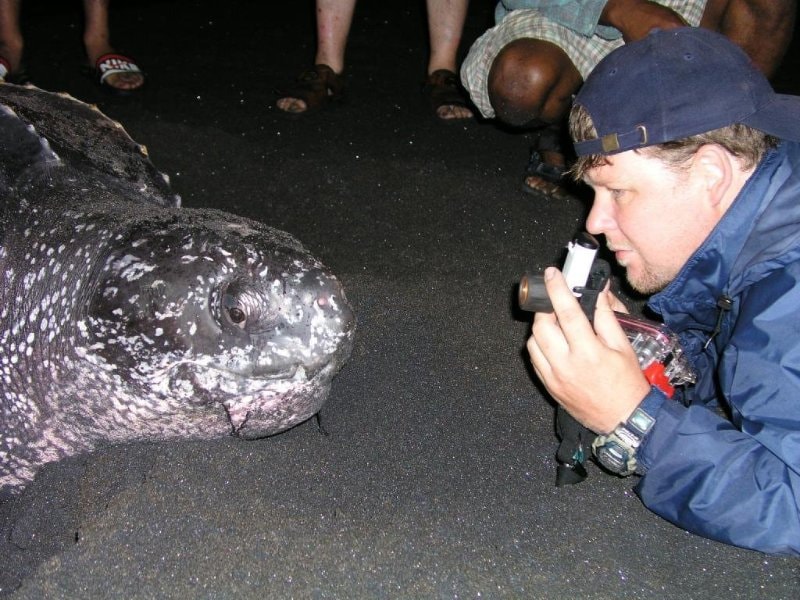
A documented link between fieldwork, species, conservation and a place.
View related record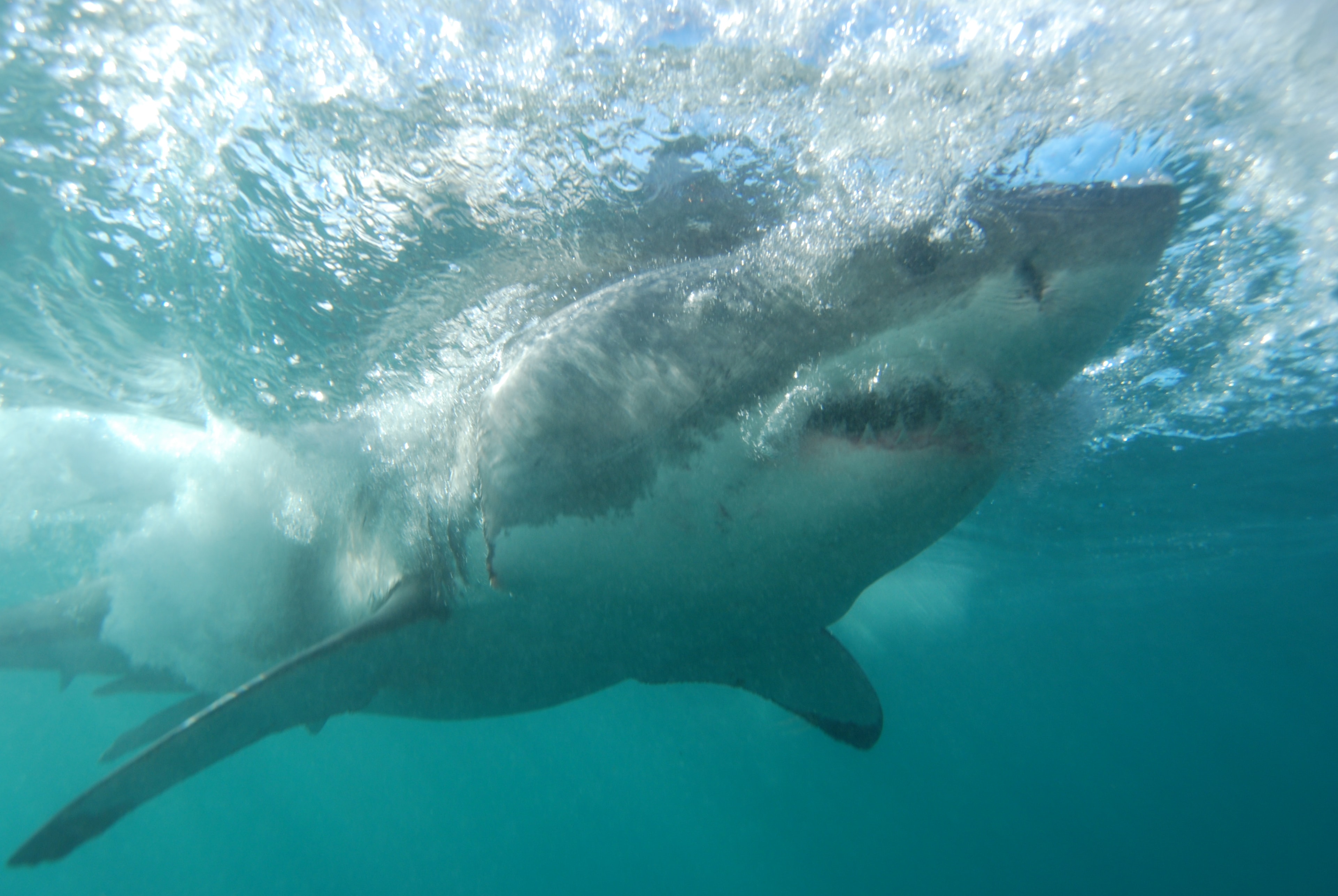
Original photography connected to Rowan Byrne’s field-story archive.
View related record
A visual record within a first-hand conservation account.
View related recordA connected field record
Dominica demonstrates the MarineCreatures model: field experience connects to sea-turtle species, conservation work, original photography, publication, personal story and historical record. The documented RoSTI material shows how a personal field archive can complement formal scientific and conservation information.
Explore the Dominica archiveField experience
1 · Documented pathway
Species
2 · Documented pathway
Conservation
3 · Documented pathway
Photography
4 · Documented pathway
Publication
5 · Documented pathway
Personal story
6 · Documented pathway
Historical record
7 · Documented pathway
Sourcing and credibility
Supported by authoritative scientific or institutional sources.
Clearly identified as Rowan Byrne’s own experience or observation.
Supported by publications, archives, dated material or other evidence where available.
Identified as Rowan Byrne’s own photography where applicable.
Clearly identified as editorial interpretation rather than established scientific fact.
“MarineCreatures does not seek to replace scientific databases, peer-reviewed research or conservation authorities. It connects authoritative knowledge with documented first-hand experience, original photography and human stories from the marine environment.”
Start here
Explore species guides and marine biodiversity.
Follow documented encounters and locations.
Marine biology and marine ecology pathways.
Projects, practice and environmental context.
Original underwater and fieldwork photography.
Professional collaborations
MarineCreatures is available as a platform for marine science communication, expert commentary, conservation storytelling, field-based editorial content, photography, documentary material, education and professional marine ecology insight.
“The strongest marine communication often happens when scientific evidence, conservation action and lived experience are brought together.”
Marine knowledge works best when good sources connect. Researchers, marine organisations, universities, conservation groups, journalists, photographers, educators and field practitioners are welcome to reference a useful MarineCreatures story, photograph or field account, or contact Rowan Byrne about collaboration.
No single organisation can document the entire ocean. No database can capture every encounter. No photograph can tell the whole story. Together, different forms of knowledge create a richer understanding of the marine world. MarineCreatures is one part of that larger picture: a record of what one marine professional has learned from more than three decades beneath, beside and around the world’s oceans.
Explore. Understand. Protect.