
There is something rather fitting about a website born from a lifelong fascination with sharks being featured by The Daily Jaws.
For me, however, MarineCreatures.com has never really been about sharks alone. It is about what lies beneath the surface — and the thirty-plus-year journey from an early fascination with the ocean to a career in marine biology, marine ecology, conservation, environmental consultancy, research, fieldwork and underwater photography across more than 22 countries.
I was particularly pleased to see that journey explored in The Daily Jaws feature, “Beyond the JAWS: The story behind MarineCreatures.com.”
From JAWS to the real ocean
Like many people of my generation, Jaws was somewhere in the background of my childhood. But I did not come away wanting to stay out of the water. I wanted to get in.
That curiosity eventually became a career. Over more than three decades, I have worked in and around marine environments, encountering wildlife and working on projects involving ecology, conservation, environmental assessment, marine mammals, endangered species, marine plastics, biodiversity, offshore renewable energy and marine research.
More than a photography website
MarineCreatures.com brings together thousands of photographs, field notes, research, published work, video, professional experience and — perhaps most importantly — stories.
It is part photographic archive, part field journal, part educational resource, part professional record and part personal history. I did not want those experiences to disappear into old hard drives, boxes of photographs or fading memories.
The importance of first-hand experience
The internet contains an enormous amount of information about marine life. Much of it is excellent. But there is a difference between writing about something because you have researched it and writing about something because you were actually there.
When I describe a field experience, expedition, conservation project or wildlife encounter, I want the reader to know the difference. I was there. I saw it. I photographed it. I worked on it. When information comes from published research or another authoritative source, I want that distinction to be equally clear.
Sharks — but not only sharks
Sharks naturally occupy an important place within the website. I have encountered great white sharks in South Africa and nurse sharks in Belize, among many other shark encounters.
Seeing a shark in its natural environment changes your perspective. The movie villain becomes a wild animal with a biology, behaviour and ecological role that is far more interesting than the mythology surrounding it. The aim is not fear or sensationalism, but curiosity, knowledge and respect.
From sharks to the wider marine world
The ocean is considerably bigger than sharks. MarineCreatures.com brings together experiences involving sea turtles, dolphins, whales, manta rays, dugongs, jellyfish, coral reefs, fish and countless other marine species.
There are stories from Dominica, the Caribbean, the Philippines, Mexico, South Africa, Belize, Egypt and Ireland — alongside conservation, research, fieldwork, photography and marine-plastics work.
Explore. Understand. Protect.
You cannot properly understand a shark without understanding the ecosystem in which it lives. You cannot properly understand that ecosystem without understanding the pressures acting upon it. And you cannot protect marine ecosystems without understanding both the science and the human activities that influence them.
That is why the website extends beyond wildlife photography into ecology, conservation, marine plastics, biodiversity, research, environmental assessment and the relationship between people and the ocean.
Why the feature matters
The Daily Jaws feature is meaningful because it connects where this journey began with where it has led. Jaws helped shape the way generations of people thought about sharks, but a lifetime around real marine animals gives you a different perspective.
The more you understand sharks, the less mysterious they become. The more time you spend beneath the surface, the more you realise the ocean is filled with stories more interesting than anything Hollywood could invent.
A living archive of a life around the ocean
MarineCreatures.com is deliberately unfinished. There are still photographs to scan, stories to write, field experiences to reconstruct, locations and dates to document, species to identify, research to add and memories to put into context.
It is a living archive of more than three decades spent working, exploring, photographing and learning around the world’s oceans. Some pages are scientific, some educational, some historical, some deeply personal and some simply stories about extraordinary moments.
The real story is the ocean
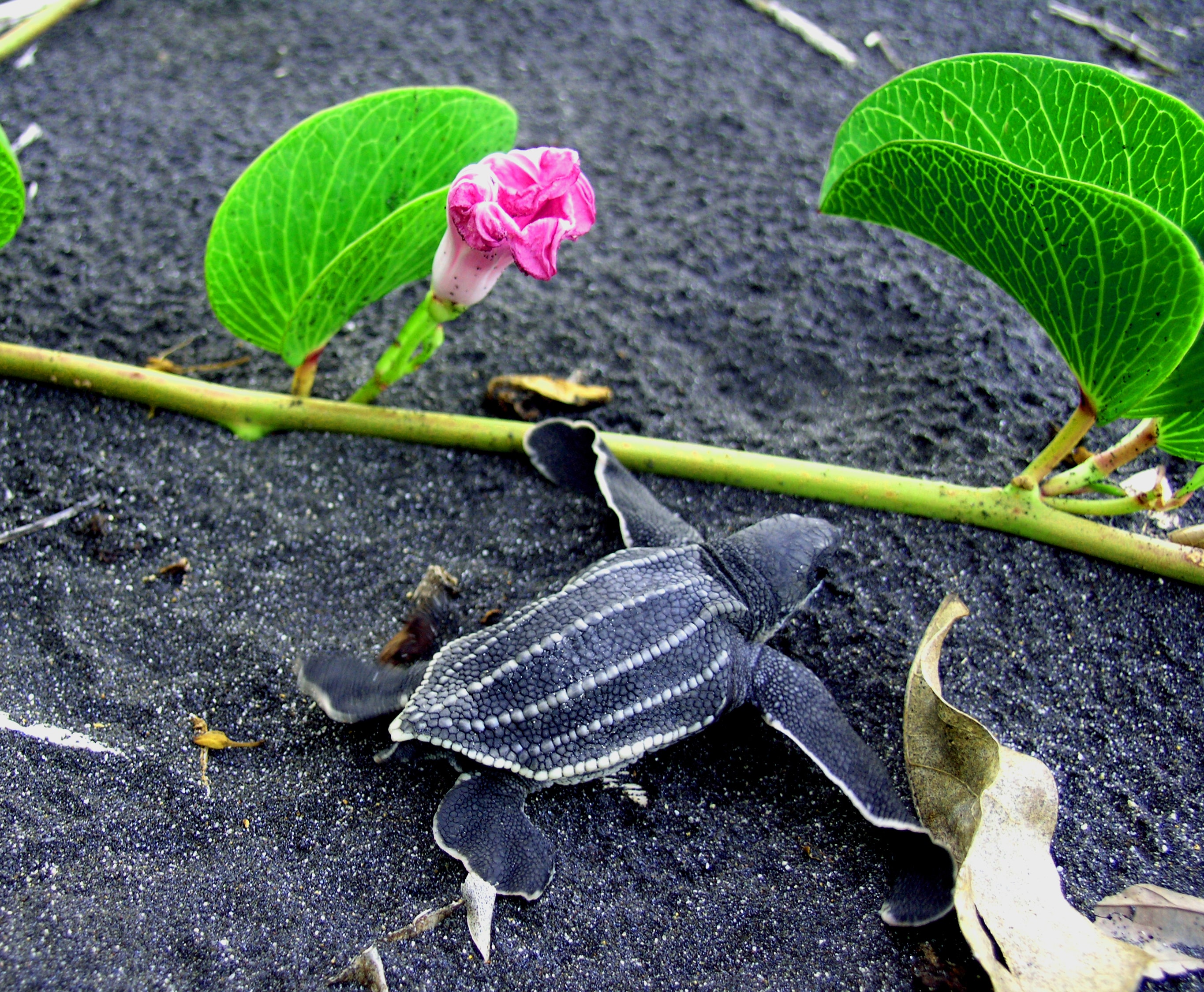
Ultimately, MarineCreatures.com is not really about me. I am simply the person telling the stories. The real subject is the ocean: the great white moving silently through blue water, the leatherback emerging from Caribbean surf, the manta ray gliding overhead and the field researcher waiting on a beach in the early hours.
Understanding the ocean is one of the best ways we can learn to protect it.
So, should we be afraid?
Perhaps Jaws leaves us with the wrong question. The better question is: should we be afraid of the things we do not understand? I do not think so. I think we should understand them.
Jaws made sharks famous. Perhaps the next chapter is about getting to know them properly. Not fear. Not sensationalism. Just better understanding.
Explore MarineCreatures.com
Explore the growing archive of marine species, field stories, conservation projects, research, professional experience, expeditions and original marine photography.
Explore the archive