
Stories from the Field
The Seahorses of Dominica
Small wonders beneath a Caribbean sea
During my years working in Dominica, the dramatic encounters were never difficult to remember. The seahorses were different. They rewarded patience, careful observation and the willingness to look closely.
Sometimes the most extraordinary encounters beneath the surface are not the largest animals, but the ones you nearly swim past.
There was a particular rhythm to life in Dominica.
During the day, I might be working on Rosalie Beach, monitoring nesting leatherback turtles through the night and trying to catch up on sleep afterwards. But whenever the opportunity arose, I would load my dive gear into the Toyota Hilux, leave the east coast early in the morning and make the journey towards Roseau.
Sometimes the coffee came first. Sometimes the coffee was barely enough.
The destination, however, was always worth the effort.
I was fortunate to meet people in Dominica's diving community, including Billy Lawrence of AL Dive and Derek Perryman of Dive Dominica and Castle Comfort Lodge. Their teams, dive masters and visiting divers became part of my weekends, and together we explored the extraordinary underwater environments between Roseau, Soufrière and Scotts Head.
Dominica was, and remains, an extraordinary place to dive.
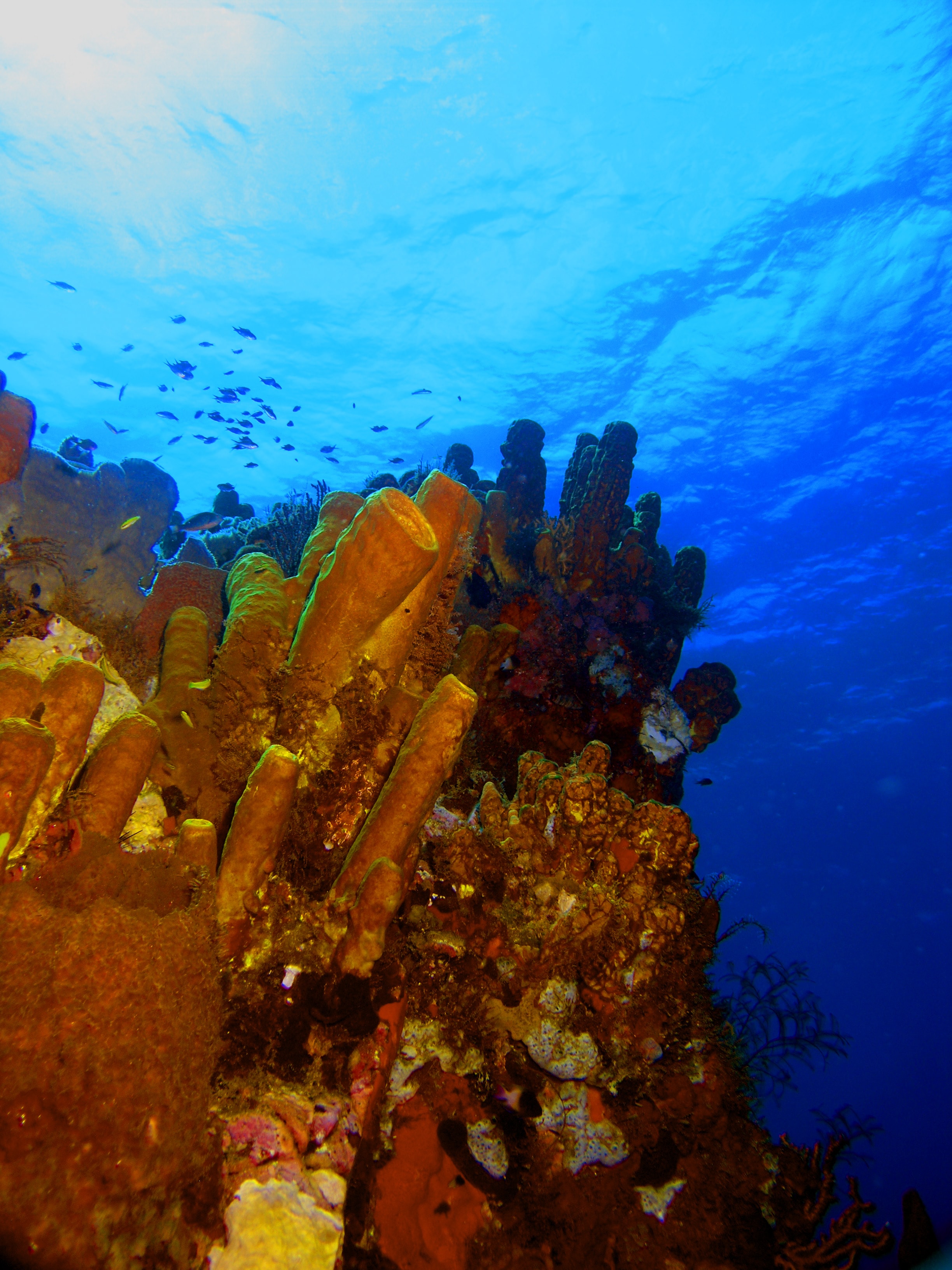
It was not simply the dramatic scenery above the water that made the island special. Beneath the surface, the volcanic landscape continued into a world of coral gardens, sponges, walls, caves, gorgonian sea fans and life in almost every available crevice.
And somewhere among all that abundance, I was usually looking for something small.
"They can be right there in front of you, and yet somehow remain hidden in plain sight. That was part of the magic."
Dominica's reefs
The best discoveries were often the smallest
Sites such as La Beam, Coral Gardens, Scotts Head and Champagne Reef offered very different experiences. Each had its own character, its own depth profile, its own community of animals.
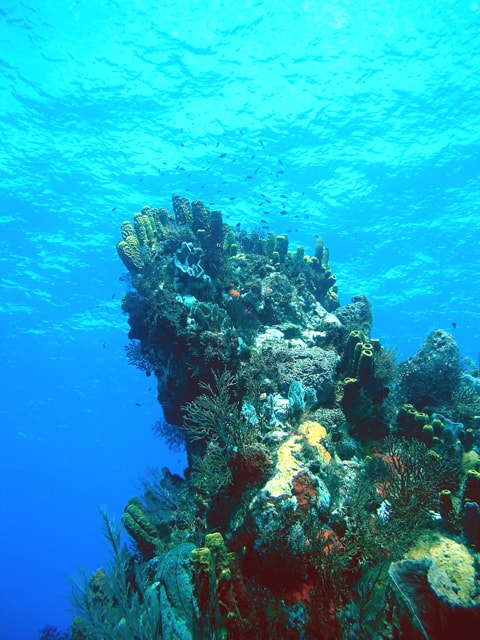
Scotts Head, at the southern tip of the island, was one of the most dramatic. The underwater wall there dropped away steeply, and at depth the reef gave way to open blue water. Giant barrel sponges clung to the wall, gorgonian sea fans spread across the current, and the coral communities were among the most varied I encountered anywhere in the Caribbean.
At Champagne Reef, the volcanic activity added another dimension. Gas bubbles rose through the water, creating the extraordinary sensation of swimming through a natural underwater jacuzzi. The warmth, the movement of the water and the visual spectacle made it unlike any other dive site I have experienced.
But the most memorable encounters were rarely the most dramatic. A frogfish tucked into the background, almost invisible against the sponge it had chosen as its resting place. A coral shrimp moving deliberately through the branches of its shelter. A tiny invertebrate almost invisible against the substrate.
And, if I was lucky, a seahorse.
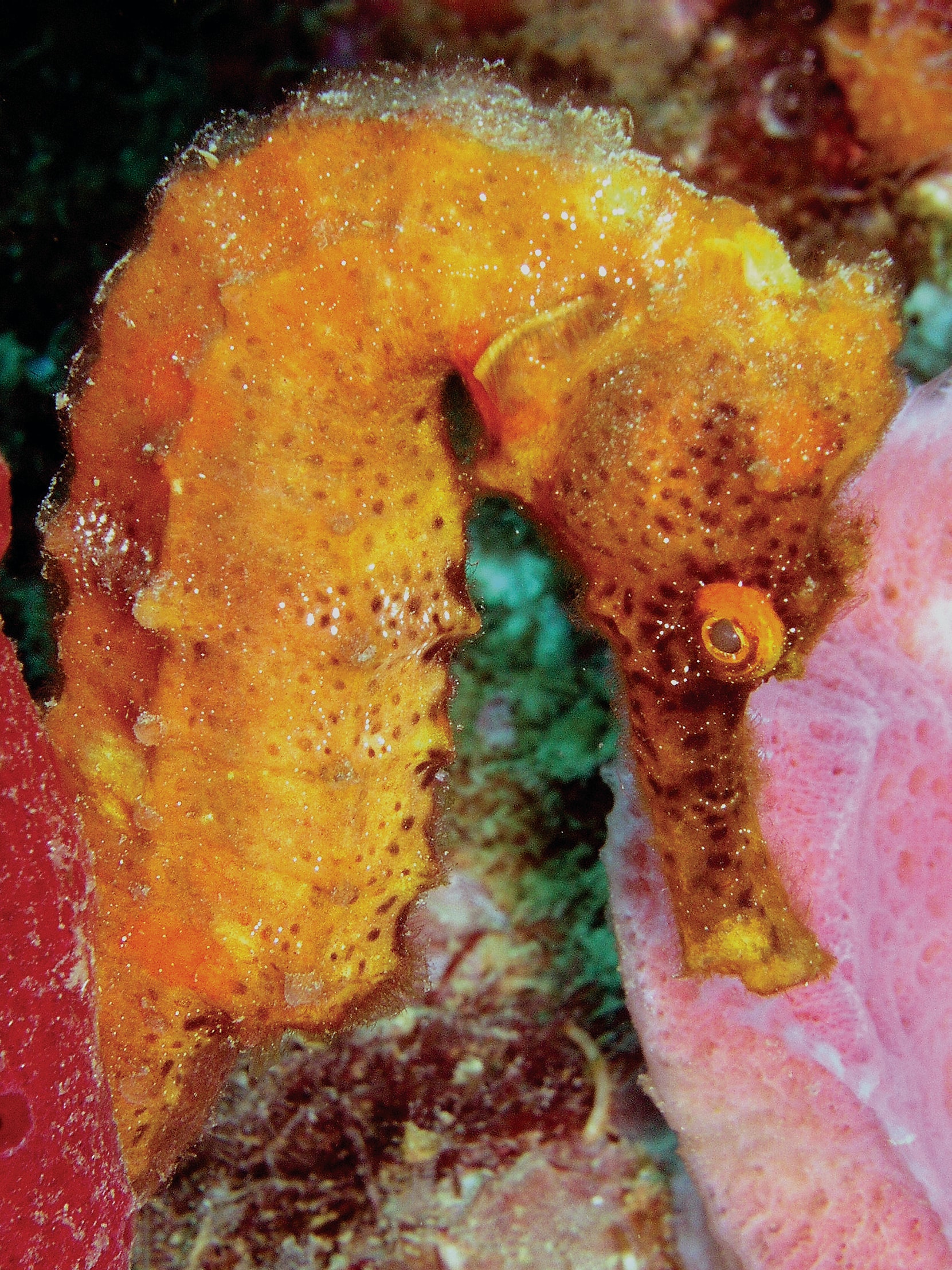
Hippocampus reidi
Meeting the seahorses
Seahorses have always held a particular fascination for me. They are extraordinary animals: fish that appear almost improbable, with upright bodies, elongated snouts, independently moving eyes and tails adapted for grasping rather than propulsion.
Among the seahorses I encountered and photographed in Dominica was the longsnout seahorse, Hippocampus reidi. The identification is supported by the existing photographic and archive record, though I would not claim that every seahorse I encountered in Dominica's waters belonged to this species — the photographic evidence speaks to specific individuals.
Finding one was rarely a matter of simply looking for a conspicuous animal. Seahorses are masters of remaining unnoticed. Their colouring, body shape and the growth that can accumulate on their bodies can make them remarkably difficult to distinguish from the surrounding habitat. Their prehensile tails allow them to anchor themselves to sponges, seagrass, algae or other available structures.
They can be right there in front of you, and yet somehow remain hidden in plain sight.
That was part of the magic.
Field practice
Learning to look underwater
When I found a seahorse, I would approach slowly, settle into neutral buoyancy and try to position myself without disturbing the animal or the surrounding habitat. This sounds straightforward. In practice, it requires a level of body control and patience that takes time to develop.
Underwater photography requires patience at the best of times, but photographing a seahorse demands something more: control, restraint and an appreciation that the subject is not there for the photograph.
The photograph is a privilege of the encounter.
I never moved an animal to improve a composition. I never touched the reef or the surrounding habitat to clear a frame. If the photograph required me to disturb the animal, the photograph was not worth taking.
This is not simply an ethical position. It is also, in my experience, the only approach that produces photographs worth keeping. An animal that has been disturbed does not behave naturally. A seahorse that has been moved from its chosen anchor point is not the same animal in the same moment.
The wider reef
A world of extraordinary contrasts
The seahorses were part of a much wider underwater world. Hawksbill turtles moved through the reef with the unhurried confidence of animals that have been doing this for millions of years. Stingrays rested on sandy patches between coral formations. Frogfish sat motionless, waiting.
Giant barrel sponges, some of them large enough to sit inside, dominated sections of the deeper reef. Reef fish moved in and out of the coral structure in patterns that seemed random but were anything but. On occasion, manta rays and eagle rays passed through the open water beyond the reef edge.
I remember dives where the underwater wall seemed to continue down and down. At around 35 metres, looking out into the open water, the reef behind me and the deep blue ahead, there was always the possibility of something unexpected appearing in the distance.
No dive was ever quite the same, even when the site was familiar.
Conservation context
Why seahorses matter
Many seahorse species face conservation pressures, including habitat degradation, incidental capture and exploitation in the international trade in dried seahorses.
I encountered dried seahorses during work and travel in the Philippines and elsewhere in Asia — in traditional medicine markets, sold alongside other marine animals. The scale of the trade was striking. These were not occasional curiosities. They were commodities, sold in quantity, with little apparent awareness of or concern for the living animal behind the product.
I am not in a position to quantify the impact of that trade on wild populations. But I can say that seeing a dried seahorse in a market, having spent time watching living seahorses in the reef, changes the way you think about the connection between what is sold and what is lost.
It is one reason that photographs of living marine animals matter to me. They can help people see an animal not as a specimen, a product or an abstract conservation statistic, but as a living part of an ecosystem.
Professional context
The sea turtles behind the diving
Sea-turtle conservation was the reason I initially came to Dominica. The Rosalie Sea Turtle Initiative brought me to the island in 2003, and the work on Rosalie Beach — monitoring nesting leatherback turtles, working with local communities, managing the project through the WIDECAST network — was the professional foundation of my time there.
The diving was something I did in the spaces between that work. It was not incidental — it was part of how I understood the island, its marine environment and the wider ecosystem that the sea turtles were part of. But it was separate from the conservation project itself.
The conservation work is independently documented. Contemporary WIDECAST documentation identifies me as Project Manager of the Rosalie Sea Turtle Initiative. The diving and seahorse encounters described here are my firsthand field account.
The two things — the professional work and the personal diving — were part of the same experience of Dominica. But they are not the same record, and I have tried to keep them distinct throughout this account.
The archive
Looking back beneath the surface
The diving, fieldwork, photography, conservation and observations from those years eventually contributed to Observations on Dominica, the photographic book I created in 2005. The book brought together several aspects of the island: its underwater environments, sea turtles, whales and dolphins, landscapes, history and people.
The underwater photography period began in 2003. The main period covered by this story — the diving, the seahorse encounters, the reef exploration — runs from 2003 to 2005. The book was created and published in 2005.
Looking back, it is easy to remember the dramatic encounters: the large animals, the deep walls, the volcanic vents and the moments that made a dive feel like an expedition.
But the seahorses remain among the encounters I remember most fondly.
Field notes
- Location
- Dominica, Eastern Caribbean
- Fieldwork period
- Primarily 2003–2005
- Subject
- Longsnout seahorse, Hippocampus reidi
- Experience
- Firsthand underwater observation and photography
- Professional context
- Marine biology, underwater photography and sea-turtle conservation through the Rosalie Sea Turtle Initiative
- Photographs
- Original photographs by Rowan Byrne
- Evidence
- Personal firsthand account supported by contemporary project documentation and existing photographic records
- Species note
- Species identification is treated conservatively and linked to the photographic evidence where available.
Original photography
10 Images from Beneath the Surface
All photographs are original images by Rowan Byrne from fieldwork in Dominica, 2003–2005.
© Rowan Byrne / MarineCreatures.com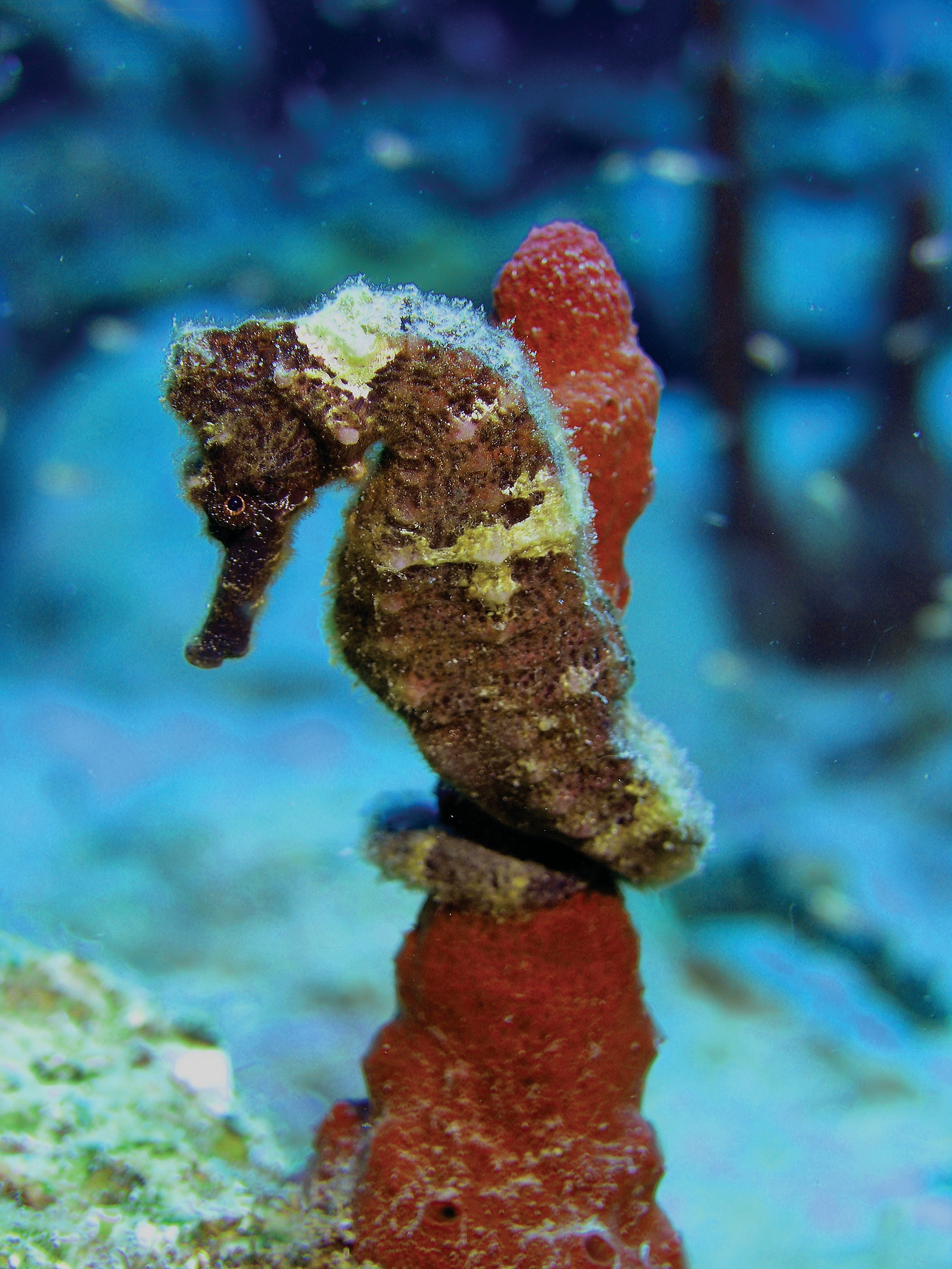 © Rowan Byrne / MarineCreatures.com
 © Rowan Byrne / MarineCreatures.com
 © Rowan Byrne / MarineCreatures.com
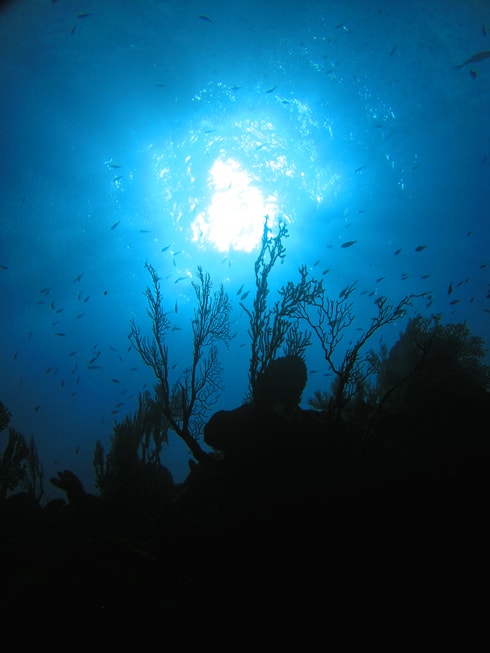 © Rowan Byrne / MarineCreatures.com
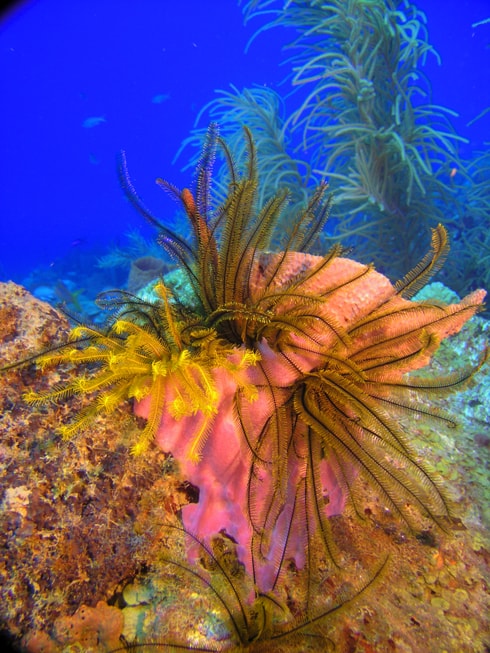 © Rowan Byrne / MarineCreatures.com
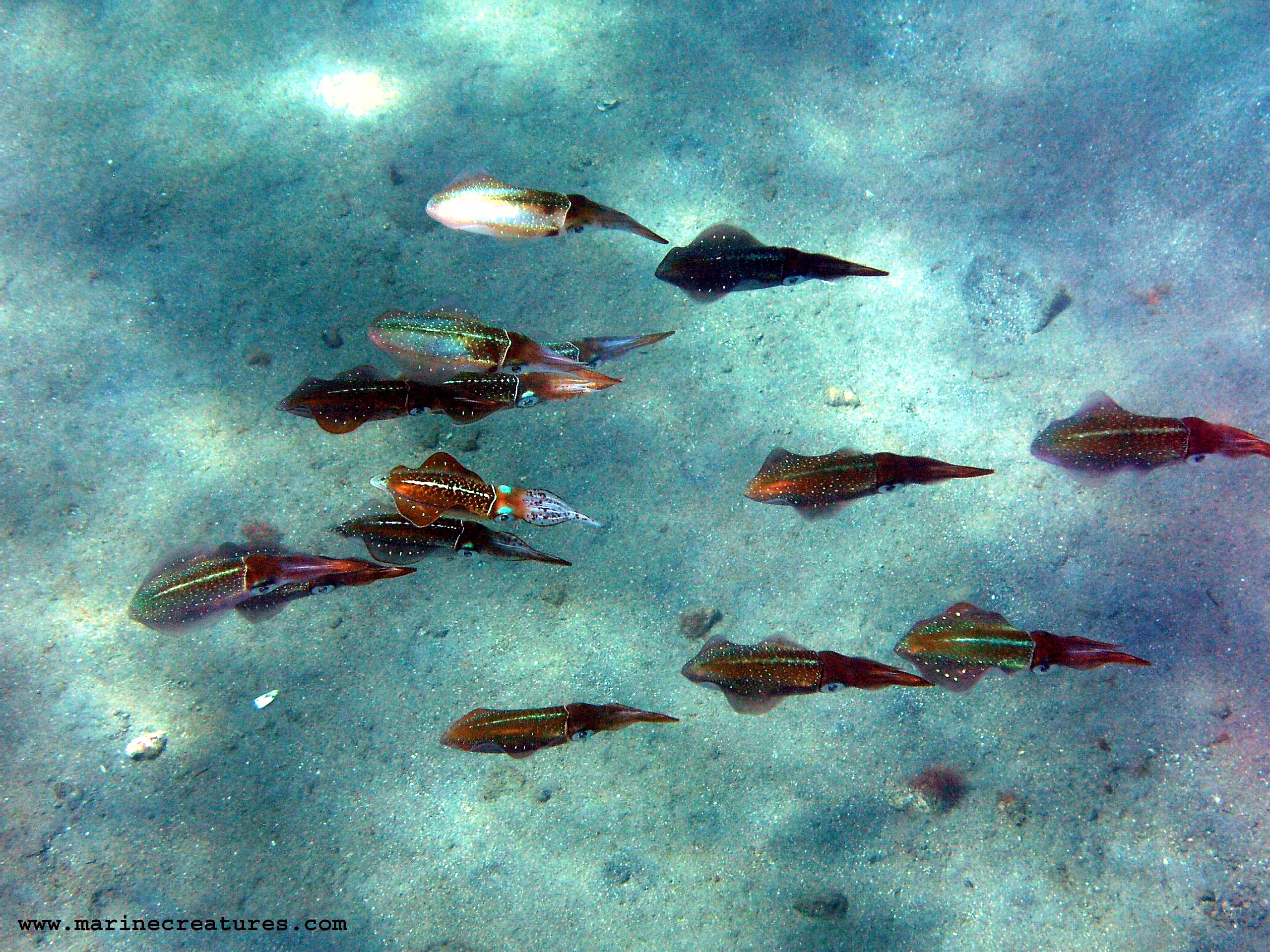 © Rowan Byrne / MarineCreatures.com
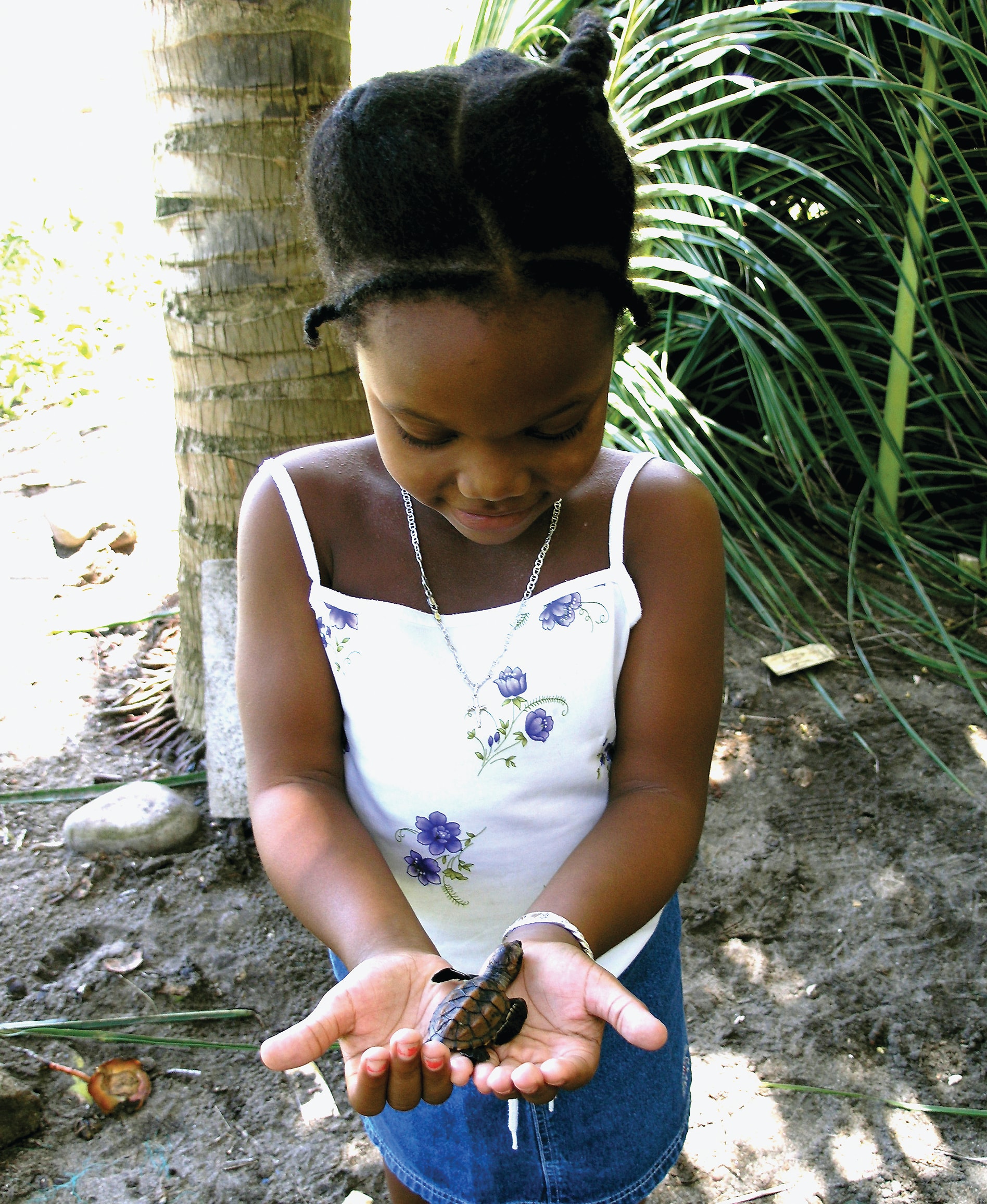 © Rowan Byrne / MarineCreatures.com
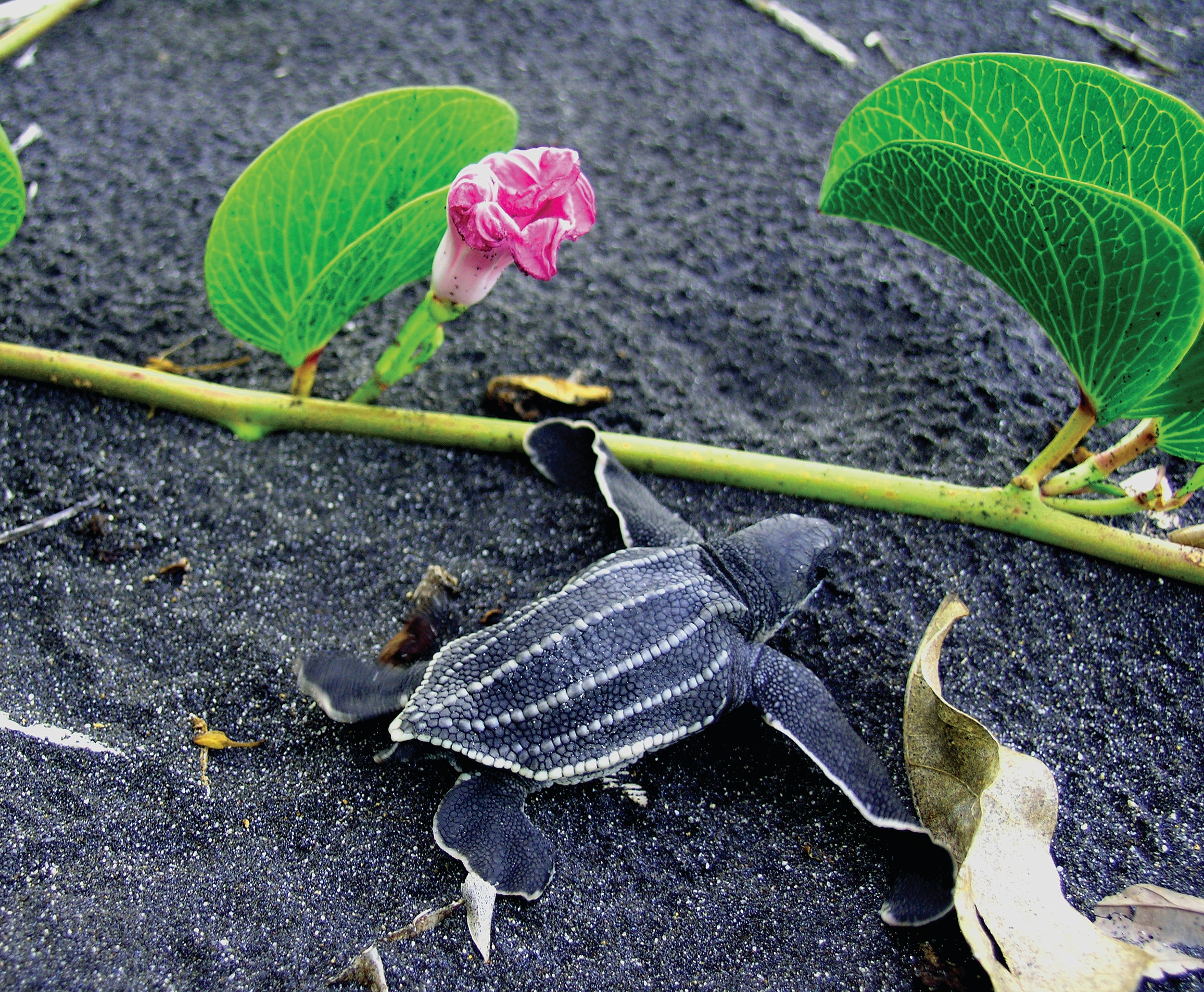 © Rowan Byrne / MarineCreatures.com
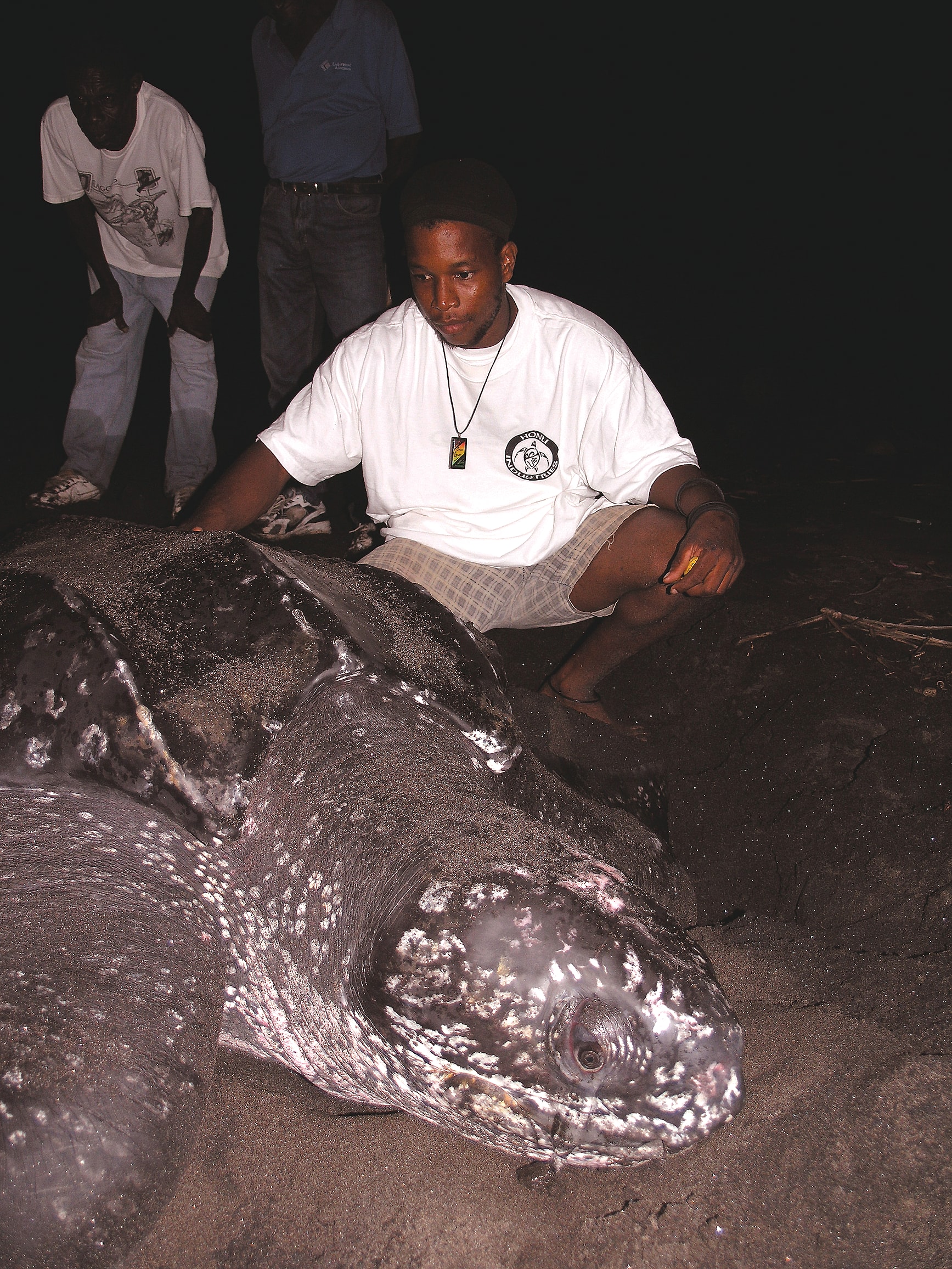 © Rowan Byrne / MarineCreatures.com
"They remind me why I have always believed that the best thing a diver can do is slow down and look for the small stuff. Because beneath the surface, the ocean does not need to be spectacular to be extraordinary. Sometimes, it is a seahorse holding fast to a sponge, almost invisible in the reef, quietly living its life in the Caribbean current. And sometimes, finding it is the whole adventure."
This story combines Rowan Byrne's firsthand recollections from Dominica with contemporary project documentation and existing photographic records. External sources are provided to document the historical conservation context; they should not be interpreted as independent verification of every personal observation described in the narrative.
Documented fieldwork and further reading
- Source 1
Byrne, R. & Eckert, K. (2006). 2004–2005 Biennium Project Report: Rosalie Sea Turtle Initiative (RoSTI). Prepared by WIDECAST for the Ministry of Agriculture and the Environment, Forestry, Wildlife and Parks Division, Roseau, Dominica. 51 pp.
Identifies Rowan Byrne as Project Manager, Rosalie Sea Turtle Initiative.
WIDECAST - Source 2
WIDECAST Annual General Meeting, 21–22 February 2004, San José, Costa Rica. Programme: 11:00 — Dominica: Rowan Byrne, Project Manager, Rosalie Sea Turtle Initiative (RoSTI) and Stephen Durand, Conservation Officer, Forestry and Wildlife Division.
Contemporary dated record of Rowan Byrne's role and presentation.
WIDECAST - Source 3
Franklin, A. & Byrne, R. (2004). RoSTI Annual Report 2003. Prepared by Project Managers, Rosalie Sea Turtle Initiative. June 2004.
Documents Rowan Byrne as co-Project Manager of RoSTI.
WIDECAST
About the author
Rowan Byrne
Rowan Byrne is a marine biologist, marine ecologist, conservationist and underwater photographer with more than 30 years of experience in marine science, conservation, fieldwork and exploration. His work in Dominica included sea-turtle conservation through the Rosalie Sea Turtle Initiative, underwater photography and firsthand observation of the island's marine environments.