
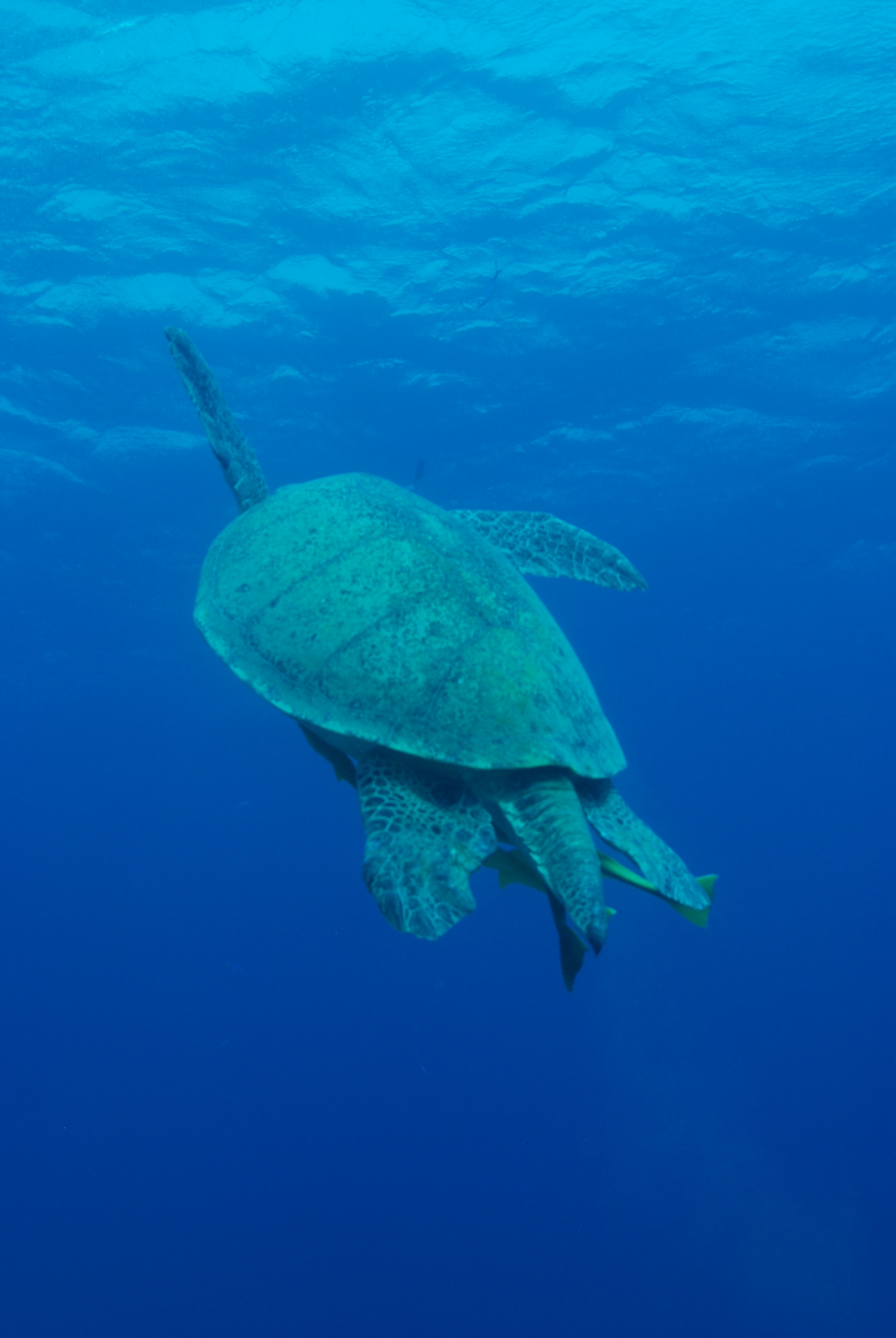
Nature-inclusive design is not a new concept, but it is one that has gained significant traction in planning, engineering, and conservation circles over the past decade. At its core, it asks a deceptively simple question: how do we build in ways that work with nature rather than against it?
For marine biologists and coastal ecologists, this question has always been central to our work. Every survey, every rescue, every population count is a reminder that the species we study are not passive recipients of human decisions — they are active participants in ecosystems that predate us by millions of years.
This article draws on my own fieldwork — from leatherback turtle rescues in Dominica to gentoo penguin surveys in the Falkland Islands — to explore what nature-inclusive design means in practice, and why it matters more than ever.
What Does Nature-Inclusive Design Actually Mean?
Nature-inclusive design refers to the integration of ecological principles into the planning, design, and construction of built environments. It goes beyond mitigation — the traditional approach of minimising harm — to actively seek ecological benefit.
In coastal and marine contexts, this might mean designing sea walls with textured surfaces that mimic rock pools, incorporating artificial reef structures beneath jetties, or planning development setbacks that protect nesting beaches from light pollution and human disturbance.
The UK government's Environment Act 2021 introduced a mandatory biodiversity net gain requirement for most new developments in England, requiring a minimum 10% improvement in biodiversity value. This legislative shift has brought nature-inclusive design from the margins to the mainstream of planning practice.
Sea Turtles and the Cost of Getting It Wrong
Sea turtles are among the most instructive species when it comes to understanding the consequences of design that ignores ecological needs. They have navigated the world's oceans for over 100 million years, yet in the space of a few human generations, every species is now threatened or endangered.
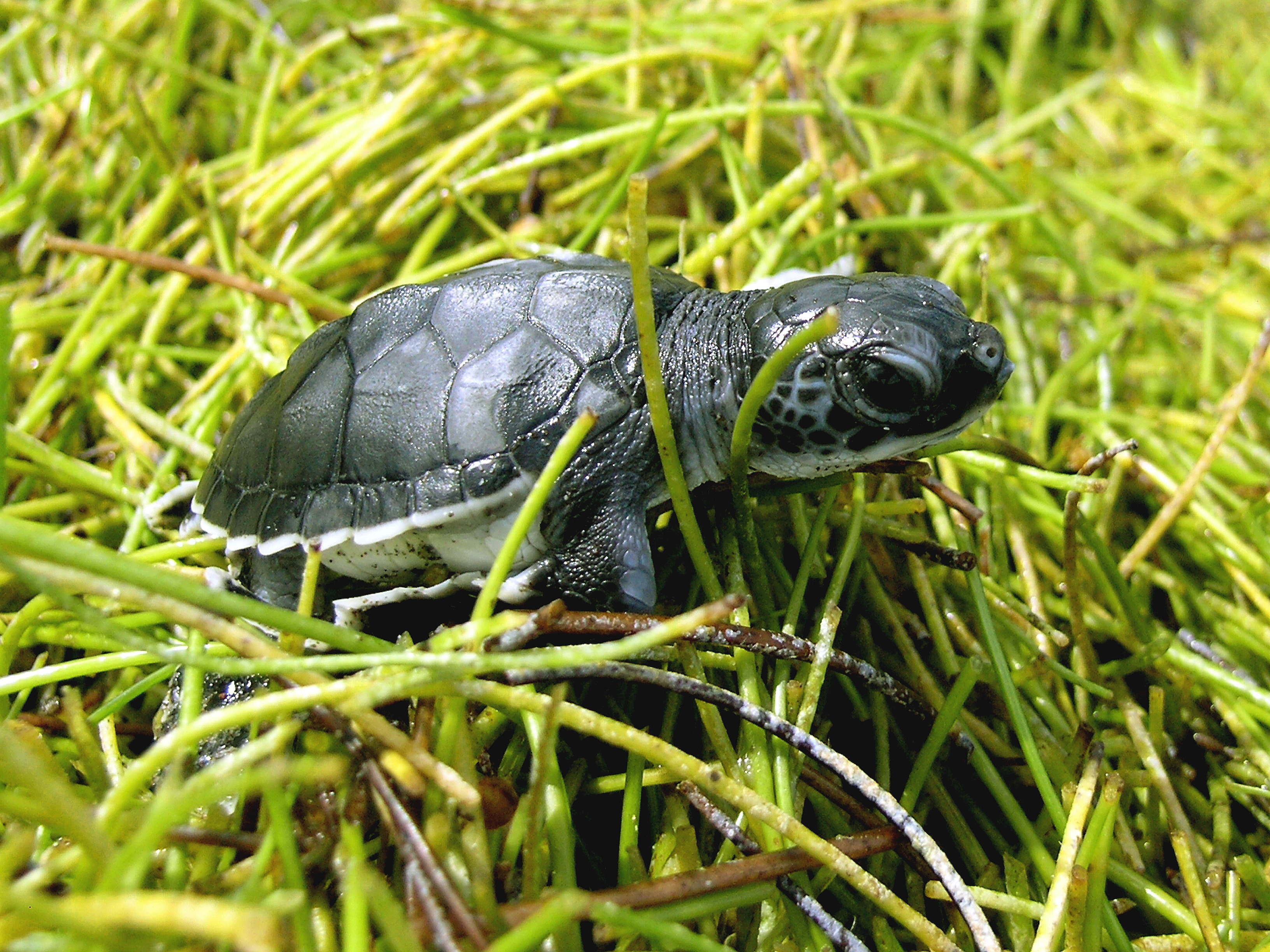
The threats they face are almost entirely design failures: artificial lighting that disorients hatchlings, coastal armoring that destroys nesting beaches, boat traffic that injures adults, and fishing gear that entangles and drowns. Each of these is a consequence of human infrastructure built without ecological consideration.
During my time managing the Rosalie Sea Turtle Initiative in Dominica, I witnessed firsthand how small design changes — shielded lighting, beach access restrictions during nesting season, modified fishing gear — could make a measurable difference to nesting success and hatchling survival.
The Hawksbill: A Case Study in Habitat Dependency
The hawksbill turtle is perhaps the most habitat-specific of all sea turtle species. Its narrow, pointed beak is adapted for extracting sponges from coral reef crevices — a feeding strategy that makes it entirely dependent on healthy reef ecosystems.
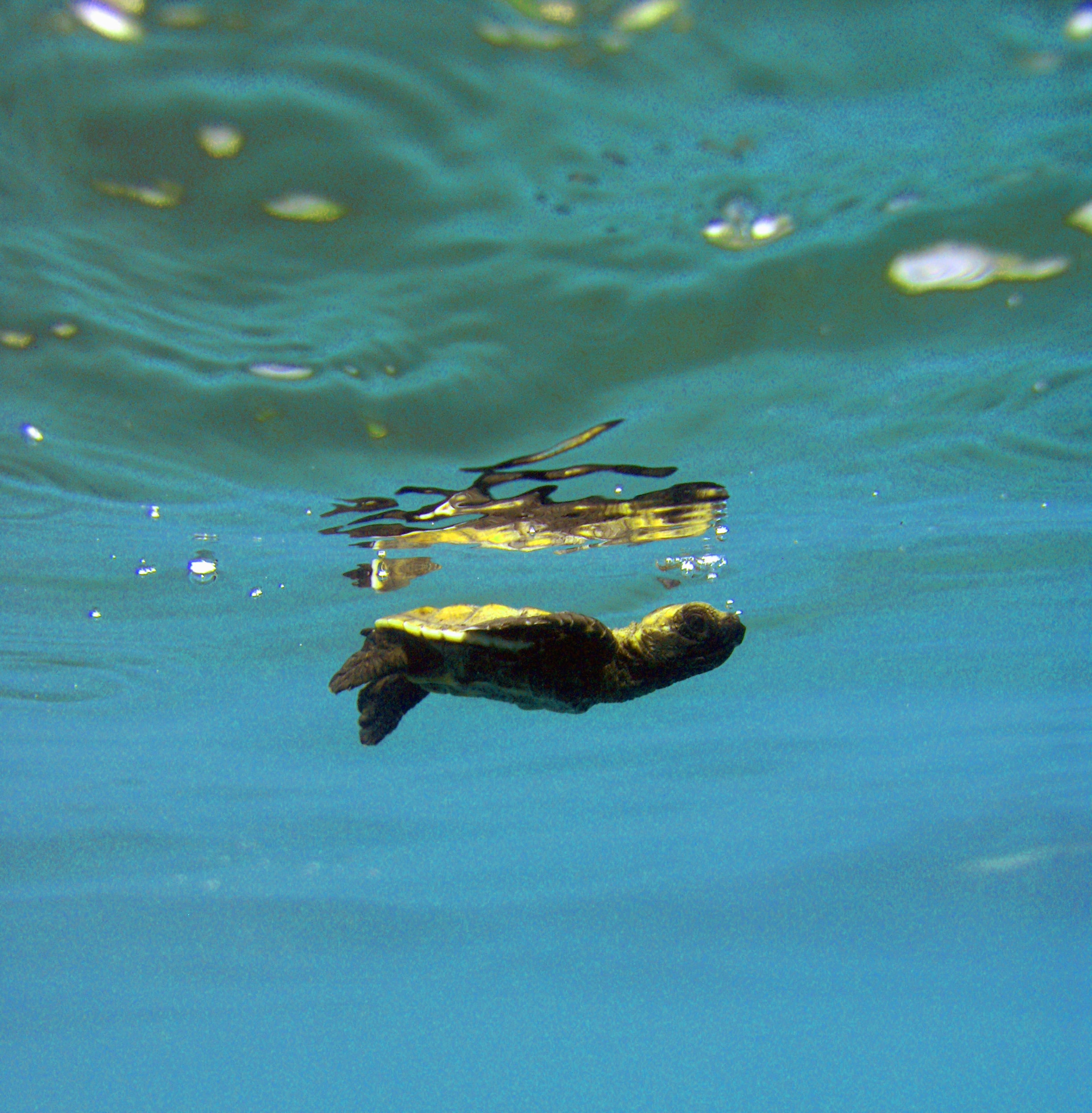
This dependency makes hawksbills an excellent indicator species for reef health. Where hawksbill populations are declining, reef degradation is almost always a contributing factor. Conversely, reef restoration projects that improve sponge diversity tend to show corresponding improvements in hawksbill foraging activity.
For designers and planners working in coastal environments, this relationship illustrates a fundamental principle of nature-inclusive design: species do not exist in isolation. Protecting a nesting beach while allowing the adjacent reef to degrade is not conservation — it is displacement.
Leatherbacks, Plastic, and the Limits of Mitigation
The leatherback is the largest living reptile and one of the most remarkable animals on Earth. It dives to depths of over 1,000 metres, migrates thousands of kilometres between feeding and nesting grounds, and has survived five mass extinction events. It is now critically endangered.
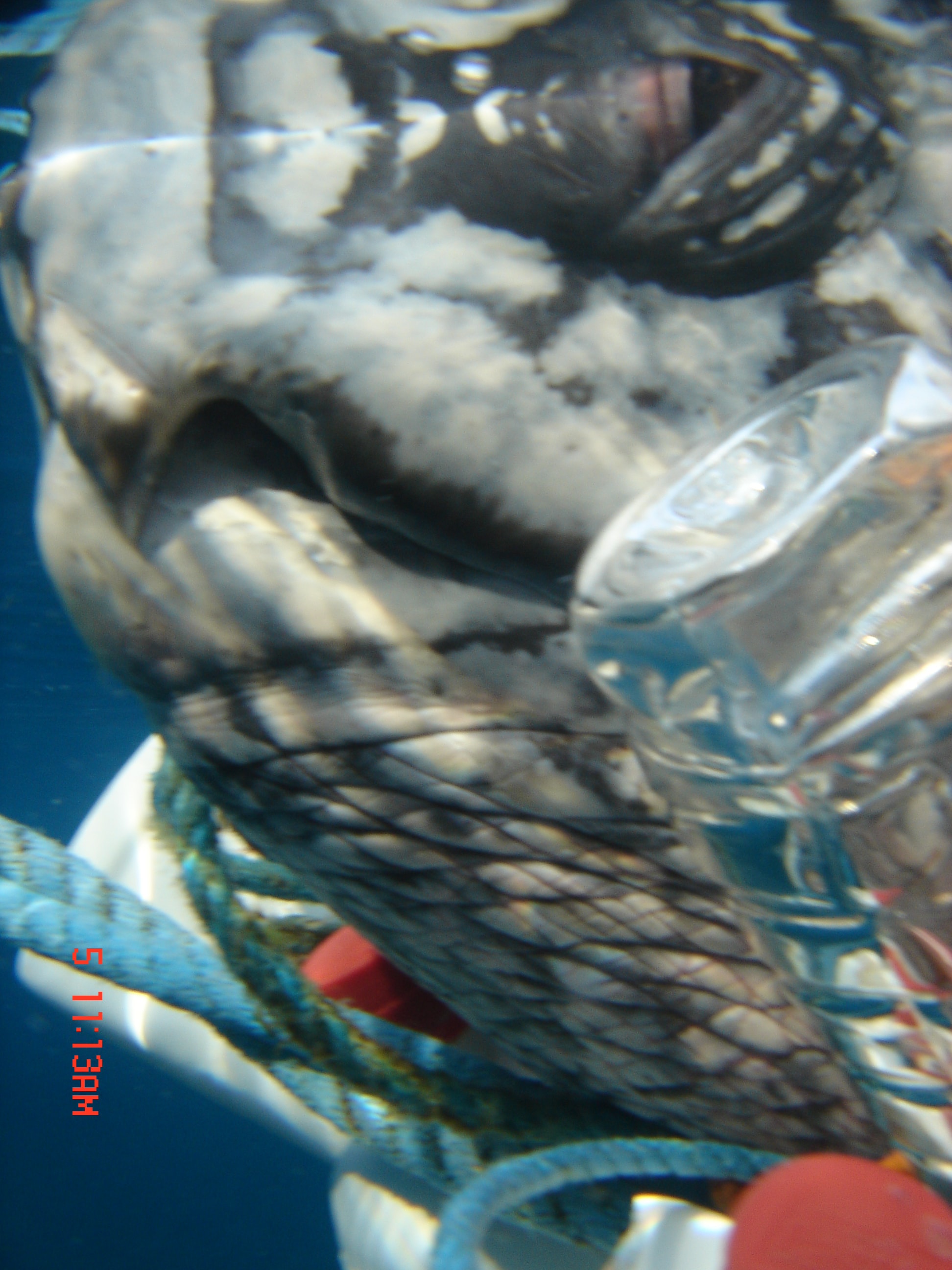
Plastic pollution is one of the primary threats to leatherbacks. They feed almost exclusively on jellyfish, and plastic bags are visually indistinguishable from jellyfish to a turtle navigating by silhouette in open water. The consequences of ingestion are invariably fatal.
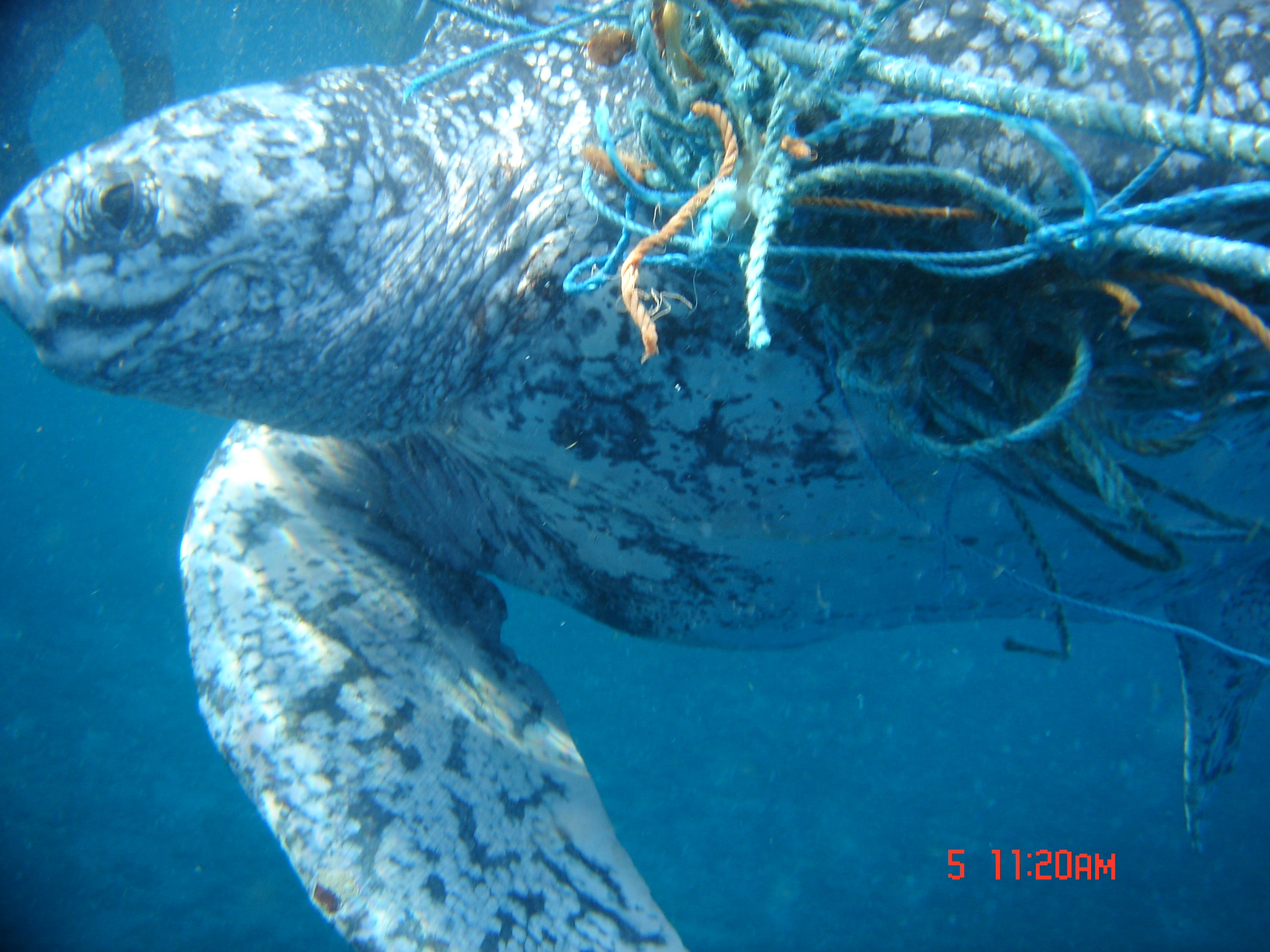
The leatherback's plight illustrates the limits of mitigation-only approaches. Reducing plastic production, improving waste management infrastructure, and designing products for end-of-life recovery are all nature-inclusive design interventions — they address the problem at source rather than managing its symptoms.
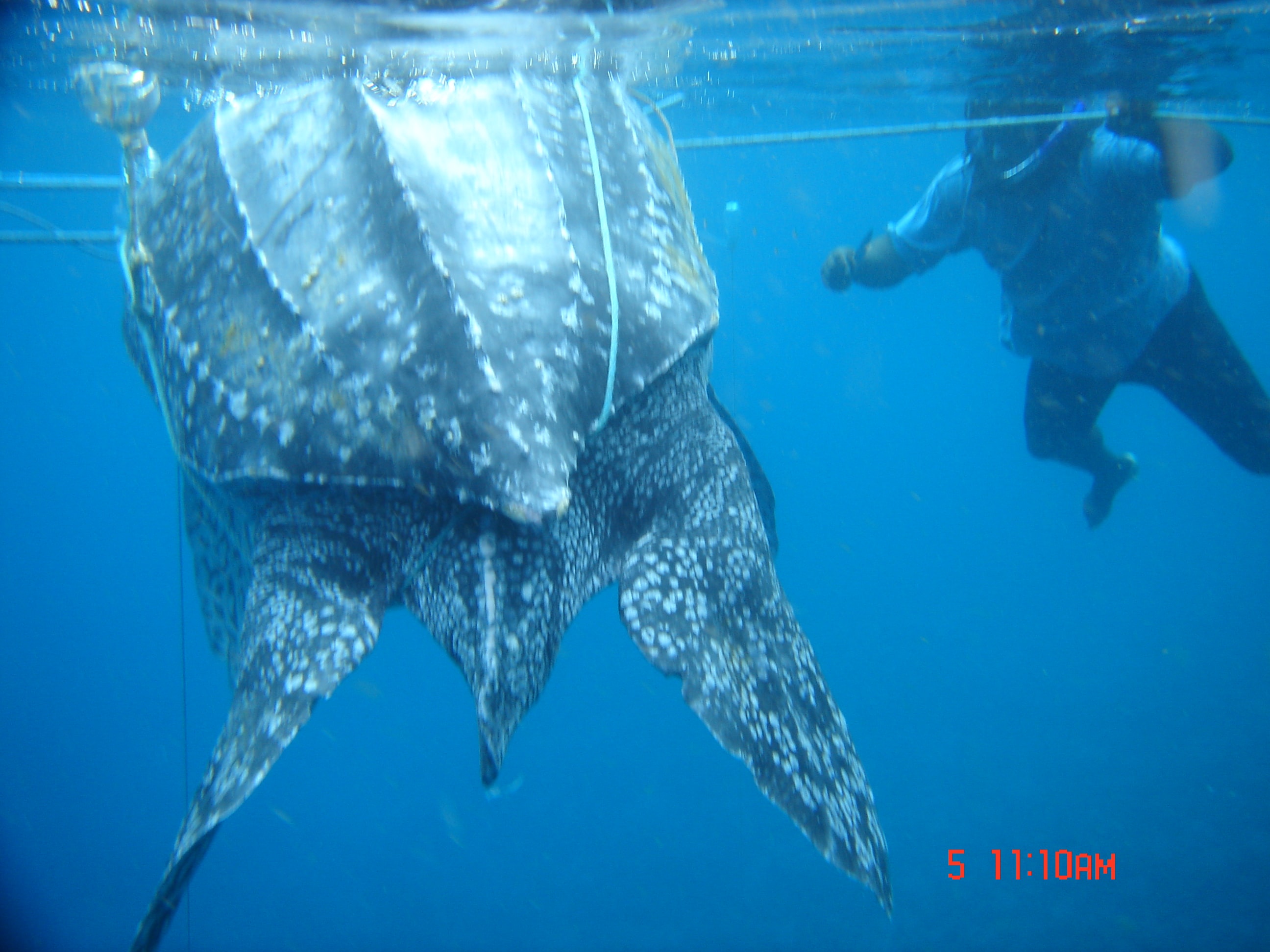
My work with the BBC on plastic pollution in the Caribbean brought these issues to a wider audience, but awareness alone is insufficient. The design of our material economy — the choices made by engineers, product designers, and planners — determines whether species like the leatherback have a future.
Penguins, Military Infrastructure, and Coexistence
In 2008, I conducted helicopter surveys of the Falkland Islands coastline as part of an oil spill contingency planning exercise for the UK Ministry of Defence. The work took me to Bertha's Beach on East Falkland, home to one of the largest gentoo penguin colonies in the islands.
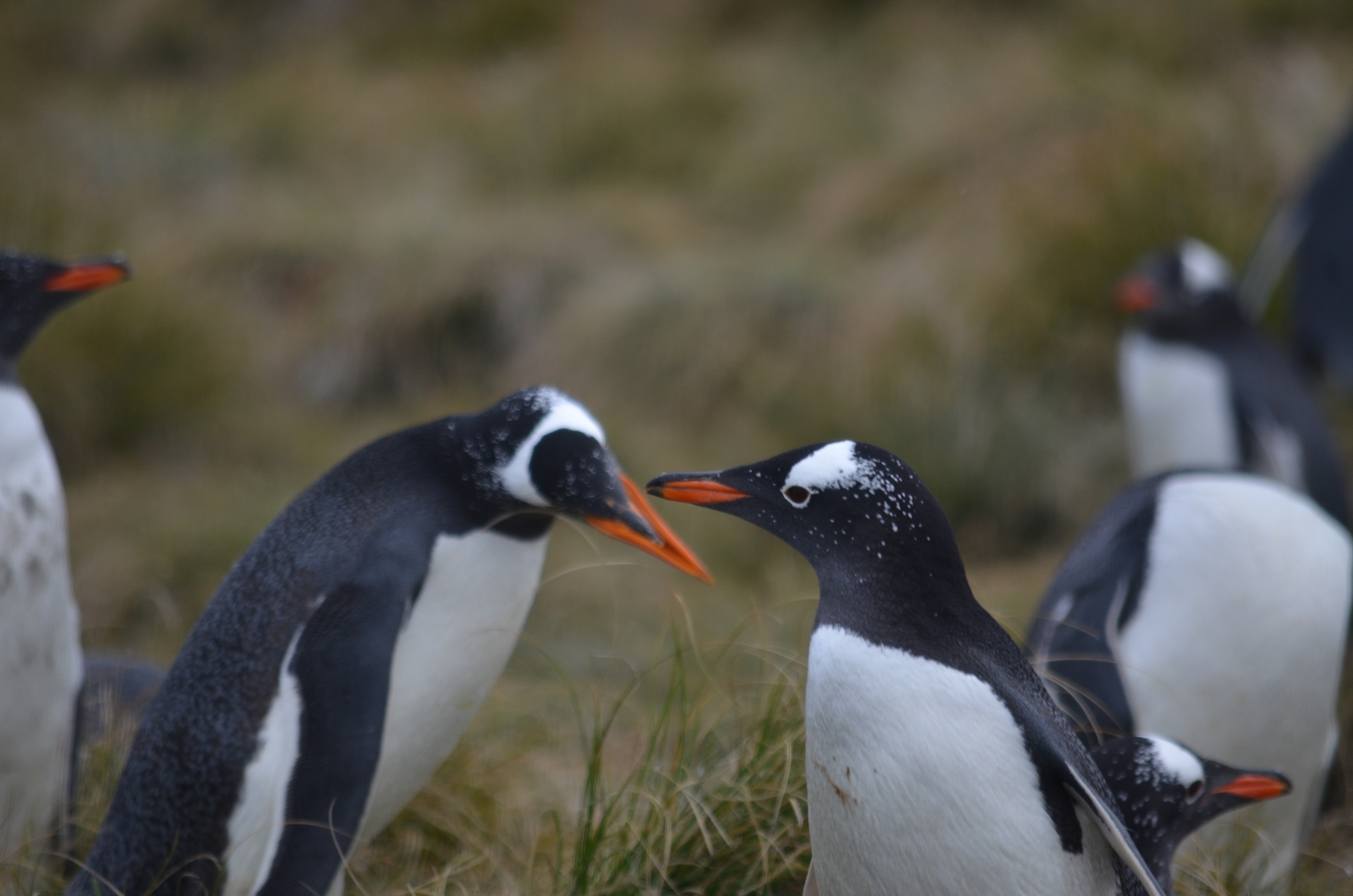
What struck me most was not the penguins themselves — extraordinary as they were — but the relationship between the colony and the surrounding infrastructure. The MOD base at Mount Pleasant, the farm at Fitzroy, the fuel transfer operations at the port: all of these activities had the potential to cause catastrophic harm to the colony if poorly managed.
Yet the colony persisted, and in some areas thrived, because of careful spatial planning that kept the most sensitive nesting areas away from the highest-risk activities. This is nature-inclusive design in its most basic form: understanding where the ecological sensitivities are, and designing human activity around them.
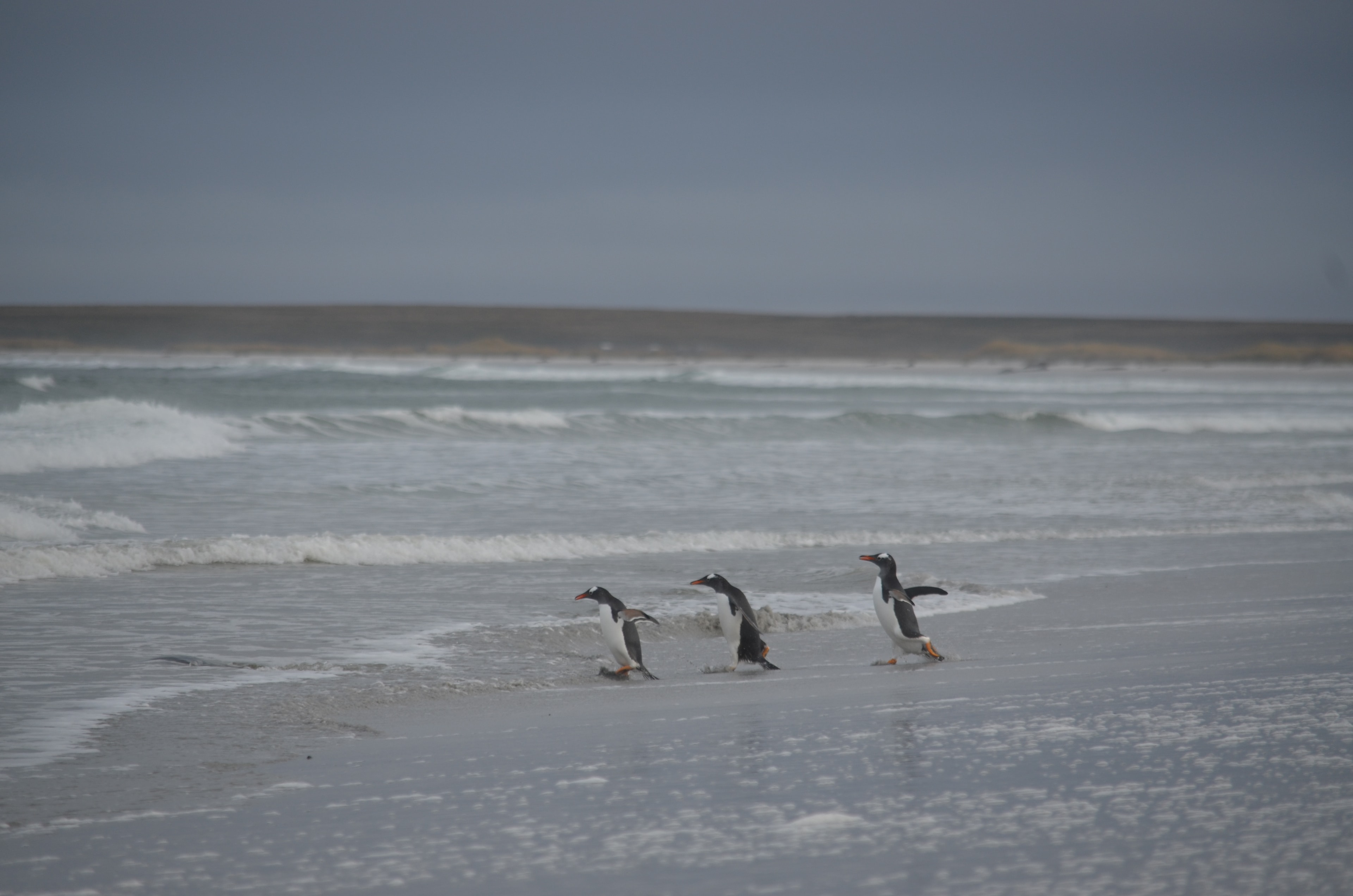
The aerial perspective from the helicopter surveys was invaluable for understanding these spatial relationships. It is a perspective that is increasingly available to planners and designers through drone technology and satellite imagery — tools that make nature-inclusive design more achievable than ever before.
Marine Net Gain: The Next Frontier
Biodiversity net gain is now established in terrestrial planning in England, but its marine equivalent — marine net gain — remains in development. The challenges are significant: marine ecosystems are harder to survey, harder to quantify, and harder to restore than their terrestrial counterparts.
The government's consultation on marine net gain, published in 2023, acknowledged these challenges while setting out a framework for how the principle might be applied to marine licensing decisions. The consultation drew on evidence from artificial reef projects, seagrass restoration initiatives, and offshore wind farm monitoring programmes.
My work in coastal impact assessment and environmental expert witness practice has given me a close view of how these frameworks are being applied — and where the gaps remain. The most significant gap is in baseline data: we cannot demonstrate net gain without knowing what we started with.
This is where the long-term value of field science becomes apparent. Decades of survey data, population counts, and habitat assessments provide the baselines against which future change can be measured. The investment in this data — often made by underfunded conservation organisations and individual researchers — is the foundation on which marine net gain must be built.
CICS and the Assessment of Coastal Impact
The Coastal and Intertidal Cumulative Sensitivity framework, developed by Natural England, provides a structured approach to assessing the sensitivity of coastal habitats and species to development pressures. It is one of the most useful tools available to practitioners working at the land-sea interface.
In my expert witness work, I have applied CICS assessments to a range of coastal development proposals, from marina expansions to coastal flood defence schemes. The framework's strength lies in its ability to integrate multiple sensitivity factors — physical, biological, and ecological — into a single assessment.
But frameworks are only as good as the data that informs them. In areas where baseline survey data is sparse or outdated, CICS assessments can give a false sense of precision. Nature-inclusive design requires not just the right frameworks, but the right investment in the field science that underpins them.
The Deep Sea: Design's Final Frontier
Most nature-inclusive design practice focuses on the intertidal and shallow subtidal zones — the areas most directly affected by coastal development. But the deep sea, which covers more than half of the Earth's surface, is increasingly subject to development pressure from seabed mining, deep-water oil and gas extraction, and submarine cable installation.
Deep-sea ecosystems are among the least understood on Earth. Cold-water coral reefs, hydrothermal vent communities, and seamount ecosystems support extraordinary biodiversity, much of it undescribed by science. The potential for irreversible harm from poorly designed deep-sea development is enormous.
The principles of nature-inclusive design apply here as much as anywhere: understand the ecology before you intervene, design to minimise disturbance, and build in monitoring and adaptive management from the outset. The challenge is that the science needed to apply these principles is still being developed.
Light and Noise: The Invisible Threats
Two of the most pervasive threats to marine and coastal wildlife are also among the least visible: artificial light at night and underwater noise pollution. Both are products of human infrastructure, and both can be significantly reduced through thoughtful design.
Artificial light at night disorients sea turtle hatchlings, disrupts the spawning behaviour of coral reef fish, and affects the vertical migration patterns of zooplankton — a process that drives nutrient cycling across the world's oceans. Shielded, amber-spectrum lighting on coastal developments can dramatically reduce these impacts.
Underwater noise from shipping, construction, and sonar affects the communication, navigation, and feeding behaviour of cetaceans, fish, and invertebrates. Quieter ship designs, construction noise management plans, and seasonal restrictions on high-impact activities are all design interventions that can reduce these impacts.
Expert Witness Practice and the Role of Field Science
My work as an environmental expert witness has brought me into contact with the legal and regulatory frameworks that govern coastal and marine development. In this context, nature-inclusive design is not just a principle — it is a legal requirement, enforceable through planning conditions, marine licences, and environmental impact assessments.
The expert witness role requires a particular kind of rigour: the ability to translate complex ecological science into clear, defensible evidence that can withstand cross-examination. This requires not just scientific knowledge, but field experience — the ability to say, with confidence, what I have observed and what it means.
The cases I have been involved in have ranged from coastal flood defence schemes to offshore renewable energy projects. In each case, the quality of the ecological baseline data has been the determining factor in the strength of the assessment. Nature-inclusive design, in the legal context, begins with good science.
Principles for Practice
Drawing on thirty years of fieldwork and expert witness practice, I offer the following principles for nature-inclusive design in coastal and marine environments:
- Start with the ecology. Before any design work begins, invest in understanding the ecological context. Commission baseline surveys, review existing data, and consult with specialists who know the site.
- Design for the whole system. Species do not exist in isolation. A design that protects one habitat while degrading another is not nature-inclusive. Think in terms of ecological networks, not individual features.
- Minimise disturbance during sensitive periods. Breeding seasons, migration periods, and spawning events are times of heightened ecological sensitivity. Design construction programmes and operational activities to avoid or minimise disturbance during these periods.
- Build in monitoring and adaptive management. Nature-inclusive design is not a one-time intervention. Build monitoring into project designs from the outset, and commit to adapting management in response to what the monitoring reveals.
- Invest in long-term data. The value of ecological data compounds over time. Support the organisations and individuals who collect it, and ensure that data is accessible to future practitioners.
- Engage with communities. Local communities often hold ecological knowledge that is not captured in formal surveys. Engage with them early, listen carefully, and incorporate their knowledge into design processes.
Conclusion: The Ocean Does Not Negotiate
The title of this article reflects something I have come to believe deeply through thirty years of fieldwork: the ocean does not negotiate. It does not adapt to our timelines, our budgets, or our planning frameworks. It operates on geological time, and the consequences of getting it wrong are measured in species, not in planning appeals.
Nature-inclusive design is not a concession to environmentalism. It is a recognition of ecological reality — that the systems we depend on for food, climate regulation, and cultural identity are finite, fragile, and irreplaceable. Designing with them, rather than against them, is not idealism. It is pragmatism.
The tools are available. The frameworks are developing. The science is there. What is needed now is the will to apply them — consistently, rigorously, and at the scale the challenge demands.
Related Pages
Further Reading
For more on biodiversity net gain and marine net gain policy, see the Natural England CICS guidance and the DEFRA marine net gain consultation.